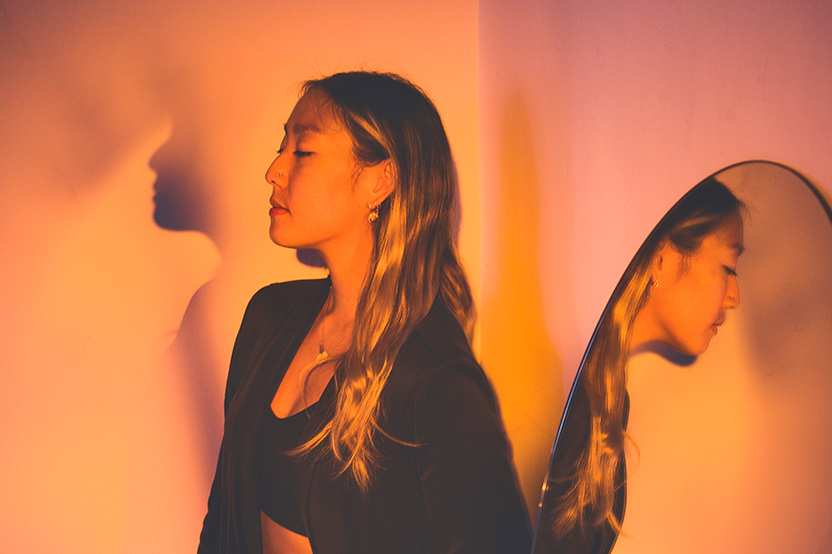
Stephanie Teng
What’s your name and where are you from/based?
My name is Stephanie Teng and I was born and raised in Hong Kong, educated in Los Angeles and currently based in London.
Can you describe what you do in a few words?
My practice explores the subliminal through the liminal, examining the tension and tenderness between emotional states that cultivate resilience in the face of fear.
Your work moves across sculpture, sound, photography, and language and circling themes like memory, transformation, and the unseen. How would you describe the emotional or philosophical principle that ties it all together?
I’m drawn to the philosophy of the rhizome by Deleuze and Guattari because it reflects how I see the world — interconnected, fluid, and without fixed hierarchies. My artwork mirrors this by creating an organic assemblage of meaning across form, language and materials. I also love the concept of kairos – an ancient Greek interpretation of non-linear or opportune Time. My work lives in these temporal folds, where memory and presence blur. It is less about resolution, more about attunement to what emerges when we pause, listen, and wait.
You describe your practice as living in the space between the liminal and the subliminal. What first drew you to work in these in-between places and what keeps you there?
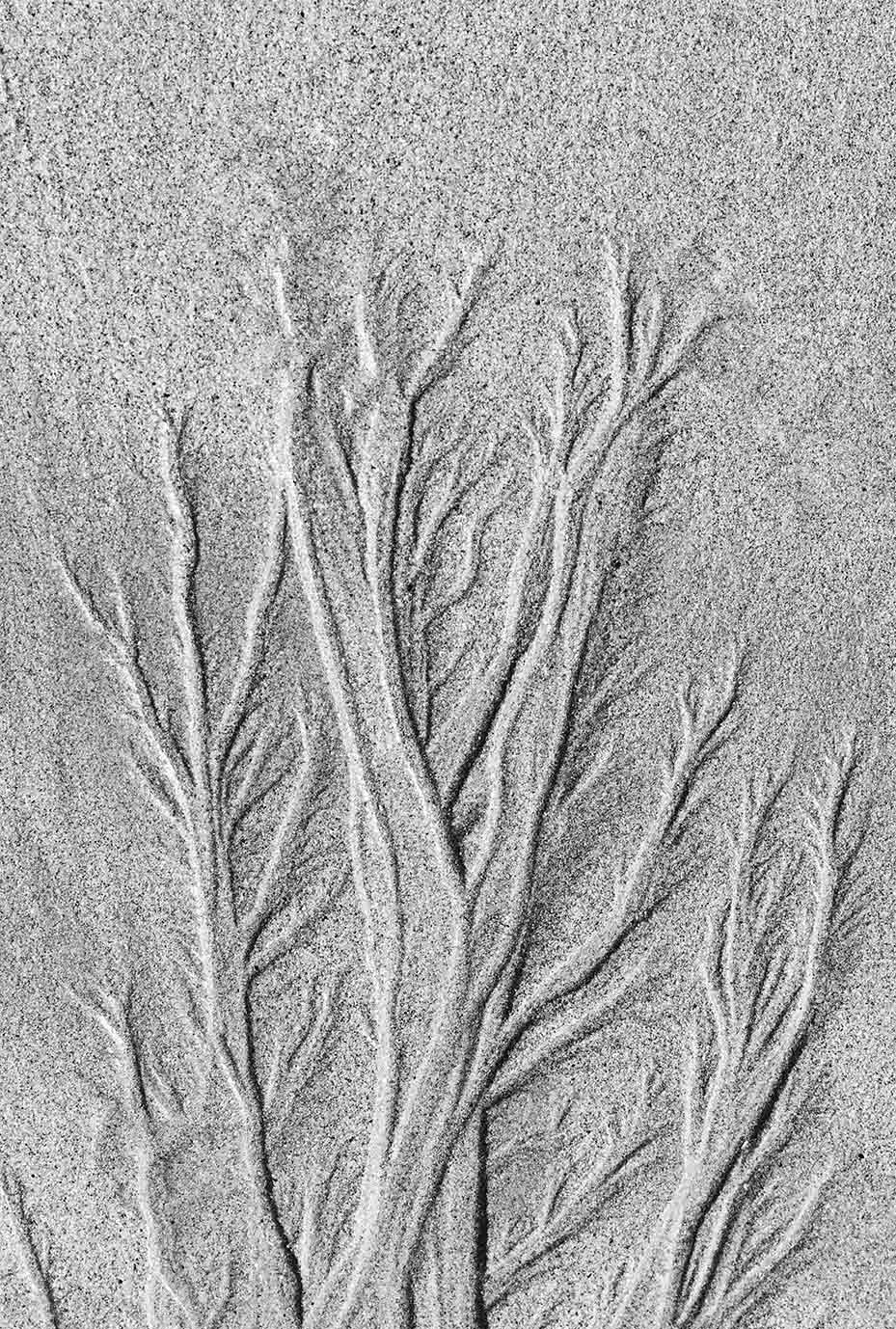
From generational displacement, cultural dissonance and personal trauma – I grew up moving across borders both literal and internal, often caught between belonging and longing; visibility and erasure. That in-betweenness became strangely familiar, even when it was painful. This led me to study psychology in order to understand how the fear of ambiguity drives us to suppress or avoid the discomfort of uncertainty rather than pause with or process them. My work resists that impulse to run and instead, confronts it by humanizing what we pathologize. I see the liminal and the subliminal as thresholds: spaces we’re told not to linger, places we’re afraid to look. But the tension between the dualities of our existence are synonymous with our humanity, so I try to approach it tenderly with curiosity. It is an ongoing act of reframing: a cyclical process of witnessing, uncovering, and reassembling. Like a tide that always finds its way back to shore.
In 8 Minutes From the Sun, light becomes a metaphor for delay and memory. What does slowness mean to you in a world obsessed with immediacy?
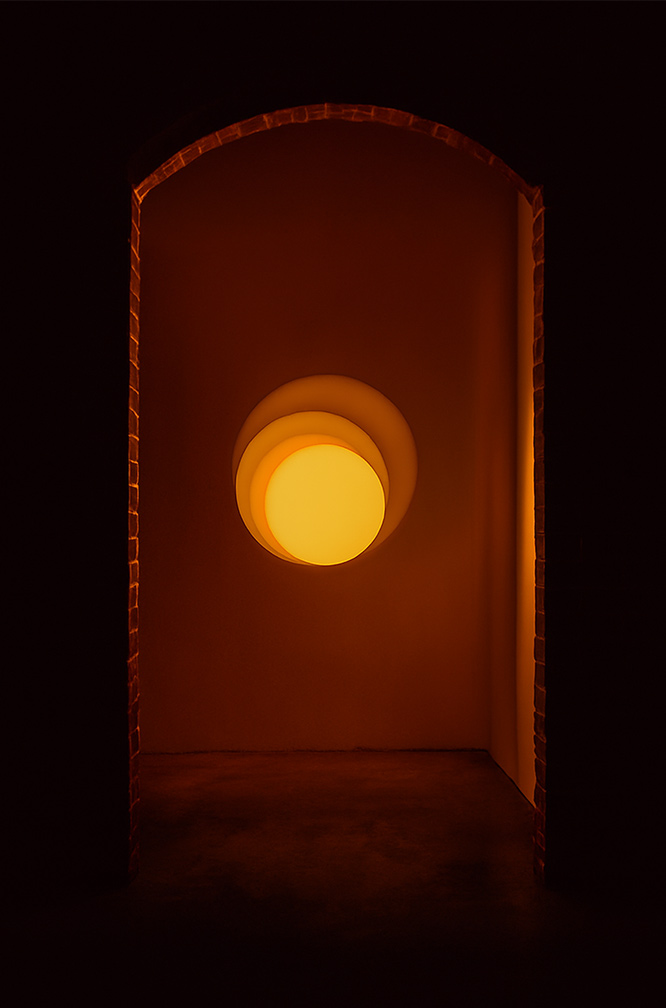
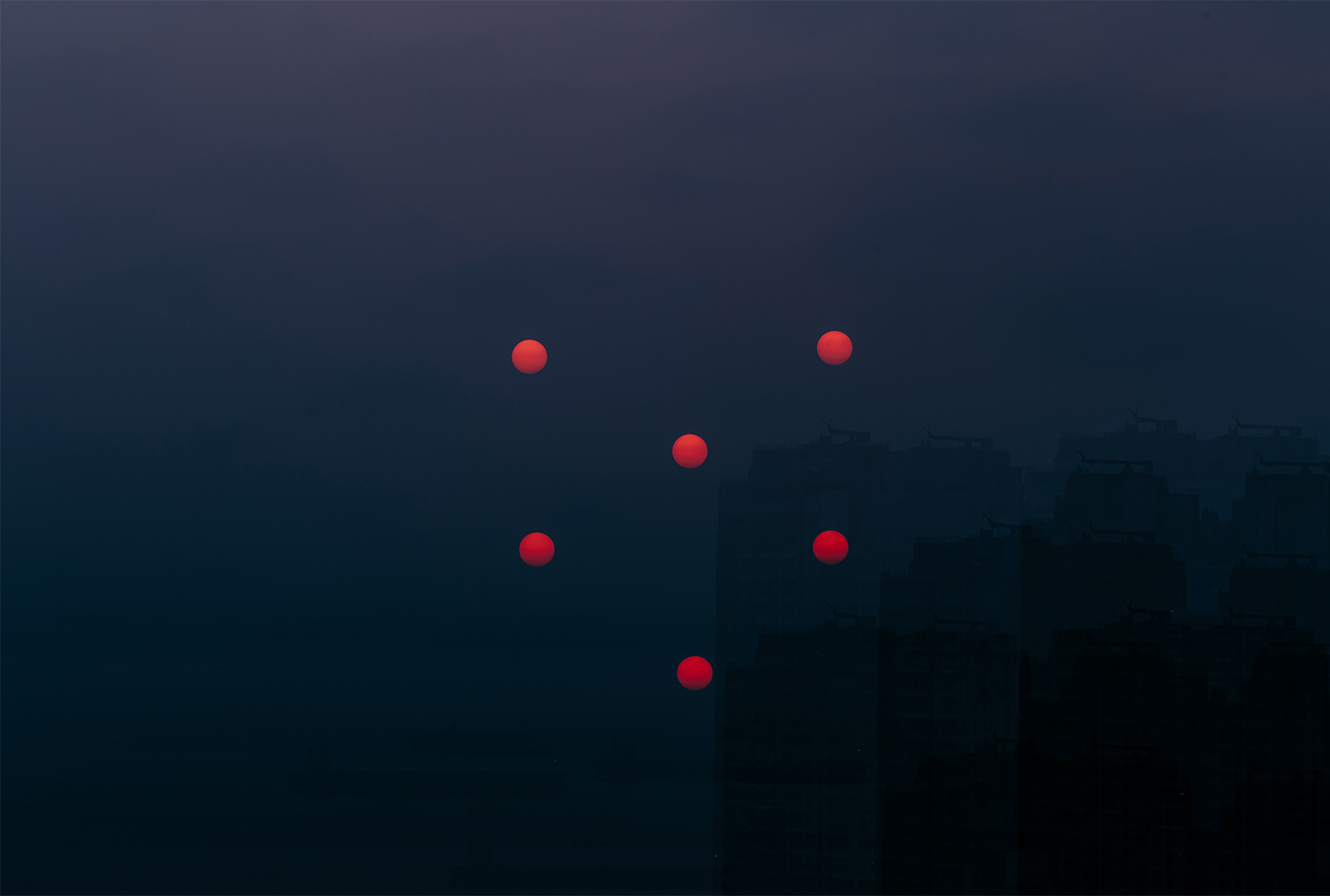
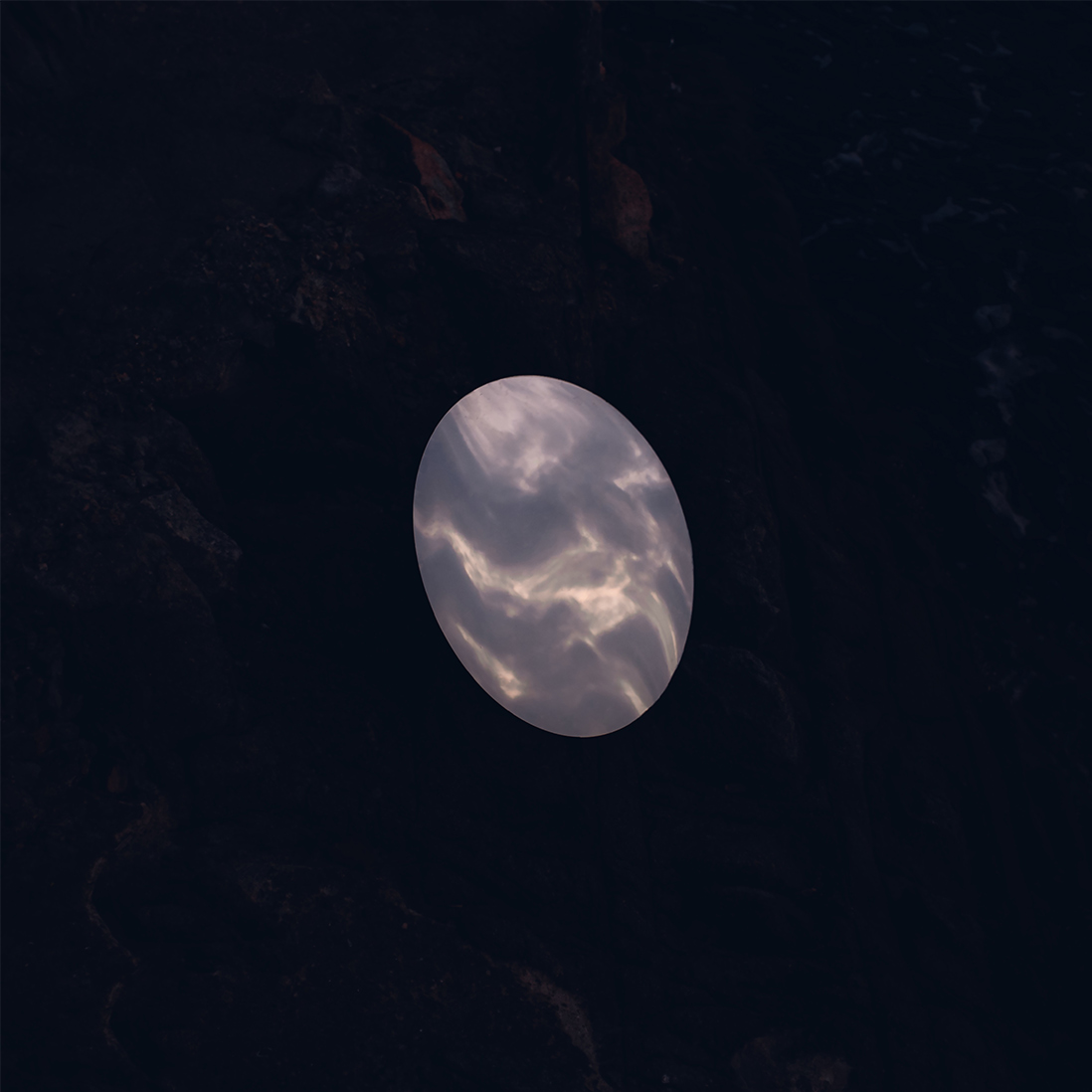
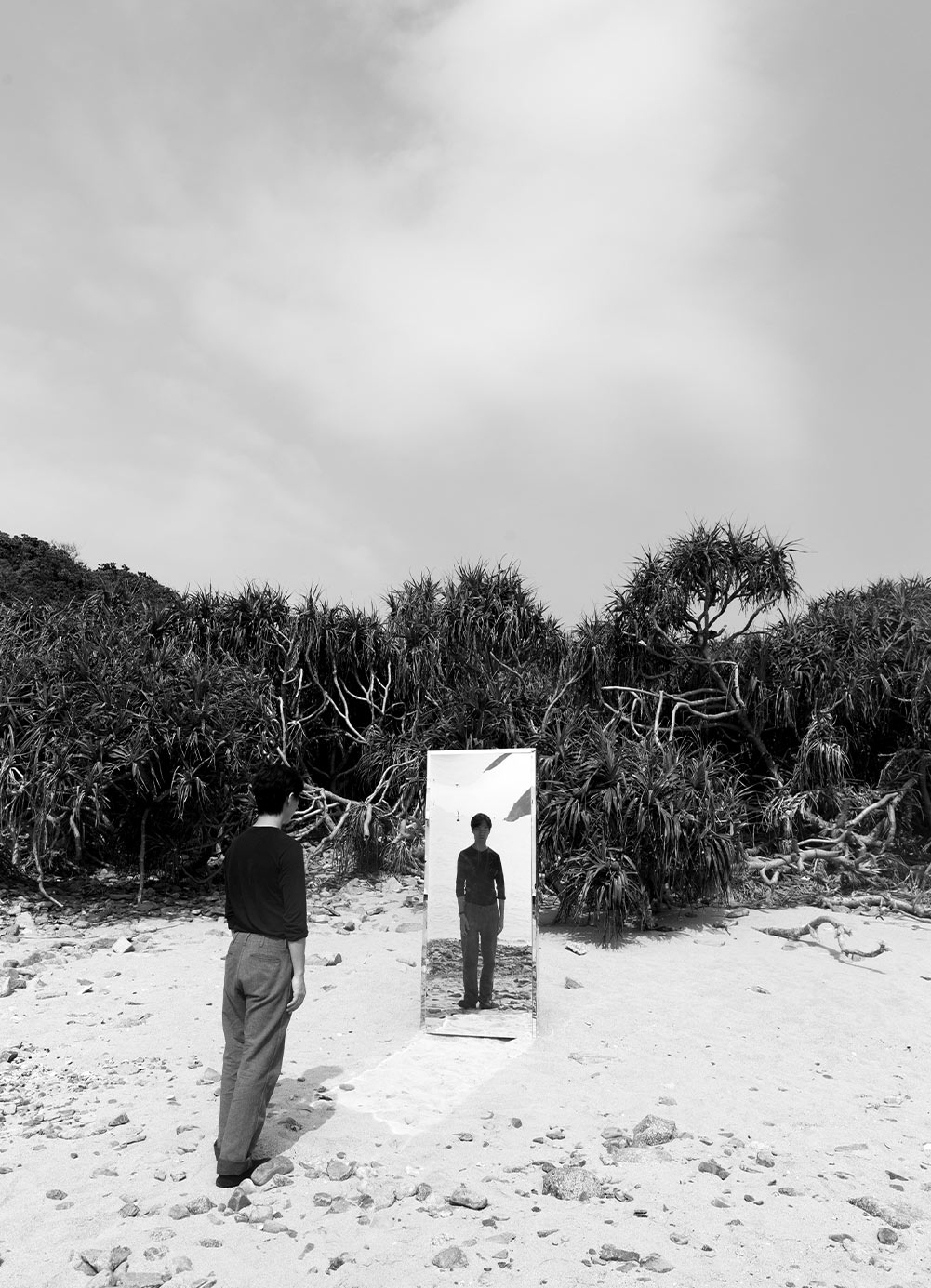
For 8 Minutes From the Sun, I spent two years “walking my mirror” to the same place by the sea back home in Hong Kong. A ritualistic, solitary act that I conducted to move my body and mind to a state of intuitive presence during a time of political darkness. In a world obsessed with a “faster, better, stronger” mentality driven by capitalistic systems, these moments become a metaphor for deep Time rather than chronological Time. It reminds us that perception itself is layered—that meaning takes time to arrive. Deliberate action, then, becomes a form of revolt, embracing not the summit but the mere pursuit of it. In that space, we find a sense of freedom in the process of becoming.
You often reference Jung, dreams, and ancient emotion-words like charmolypi. Is there a word or idea that’s stuck with you lately?
Lately, I’ve been reflecting on the idea of home and ecology. When I heard of zoochosis—the trauma seen in caged animals who develop repetitive, compulsive behaviours— it instantly sounded like a metaphor for modern society. This led me to question how our ecosystems are affecting us. The etymology of home and eco in Ancient Greek are both oikos. It refers not only to a physical place, but one with economic, relational and spiritual dimensions. Today, we simulate home through systems that feel less multi-dimensional, pacing digital cages in bedrooms and on dining tables, selecting the realities that suit us. This dissonance—between the home we need and the structures we’ve built—echoes through the collective psyche like a collective yearning. A longing not just for place, but for a way of being that is whole, rooted, and spiritually alive.
How do you think vulnerability can be translated into form? Can fragility be a kind of strength?
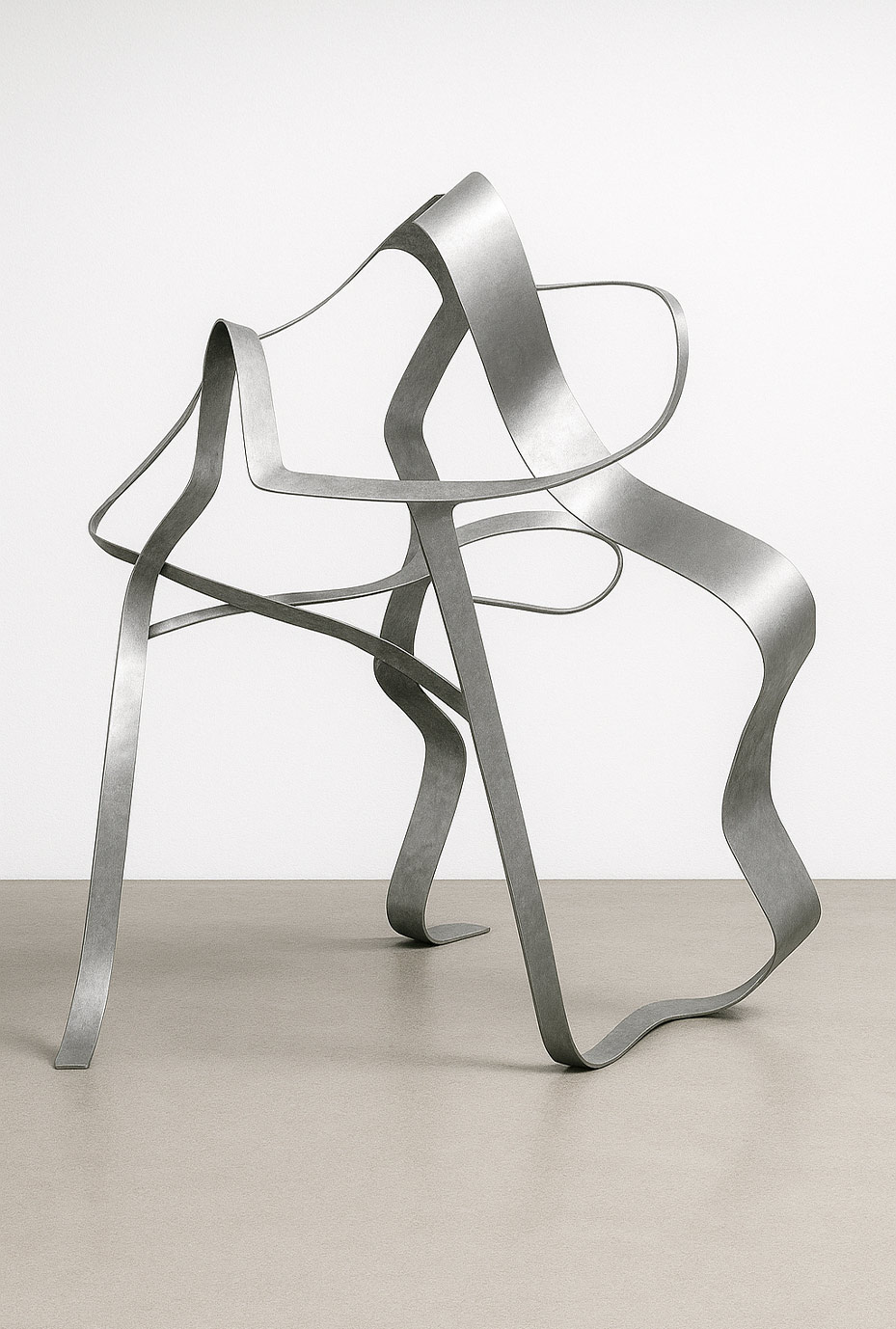
I think it comes from authenticity. An unfiltered honesty with yourself and where you are in life, how you feel about what you’re creating and consuming and what captures your genuine fascination in the most childlike way. Those obsessions will lead to material or conceptual interests which then lead to experiments that ultimately take shape. I believe everything exists in yins and yangs, so where there is fragility, there must be strength. At times fragility is strength; in other times, strength requires fragility. But one cannot live without the other. I find a resolve in that duality by transforming “hard” materials into soft
and fluid forms, highlighting the vulnerability in materiality.
What does it mean to be a “third culture” artist in a time of global tension?
I’d describe myself as a cultural hybrid, shaped by a history of generational migration. From escaping the Cultural Revolution in China to rebuilding in Hong Kong and Hawaii, my family’s pasts have built a culture of resilience in me. This is where I draw strength and inspiration from in times of despair when looking at the state of the world today. My understanding of multiple cultures allows for a deeper sensibility and empathy for the struggle and pain of others. It allows me to hold contradictions, to weave cultural fluidity into bridges not binaries, and to ask not just where you’re from, but how you belong, what you stand for and why it’s important now. For me, being an artist in these times is about searching for what binds us rather than divides us; being brave and choosing love over fear, no matter how much the world disappoints you.
Is there a specific work where you surprised yourself, where what emerged was more vulnerable, or stranger, than you expected?
In Temple Of The Ordinary – an installation room in my second solo exhibition 8 Minutes From The Sun – I somehow became part of the piece, which wasn’t the intention at the start but ultimately became something I did regularly over the course of a few months. By sitting there with visitors who came by the gallery, I activated the space by asking people questions about loss, love and letting go. Some of those conversations I had in that space reinforced the strength in connection and celebrating vulnerability and the ephemerality where
art became life.
What’s a tiny detail in one of your works that you love, even if no one ever notices it?
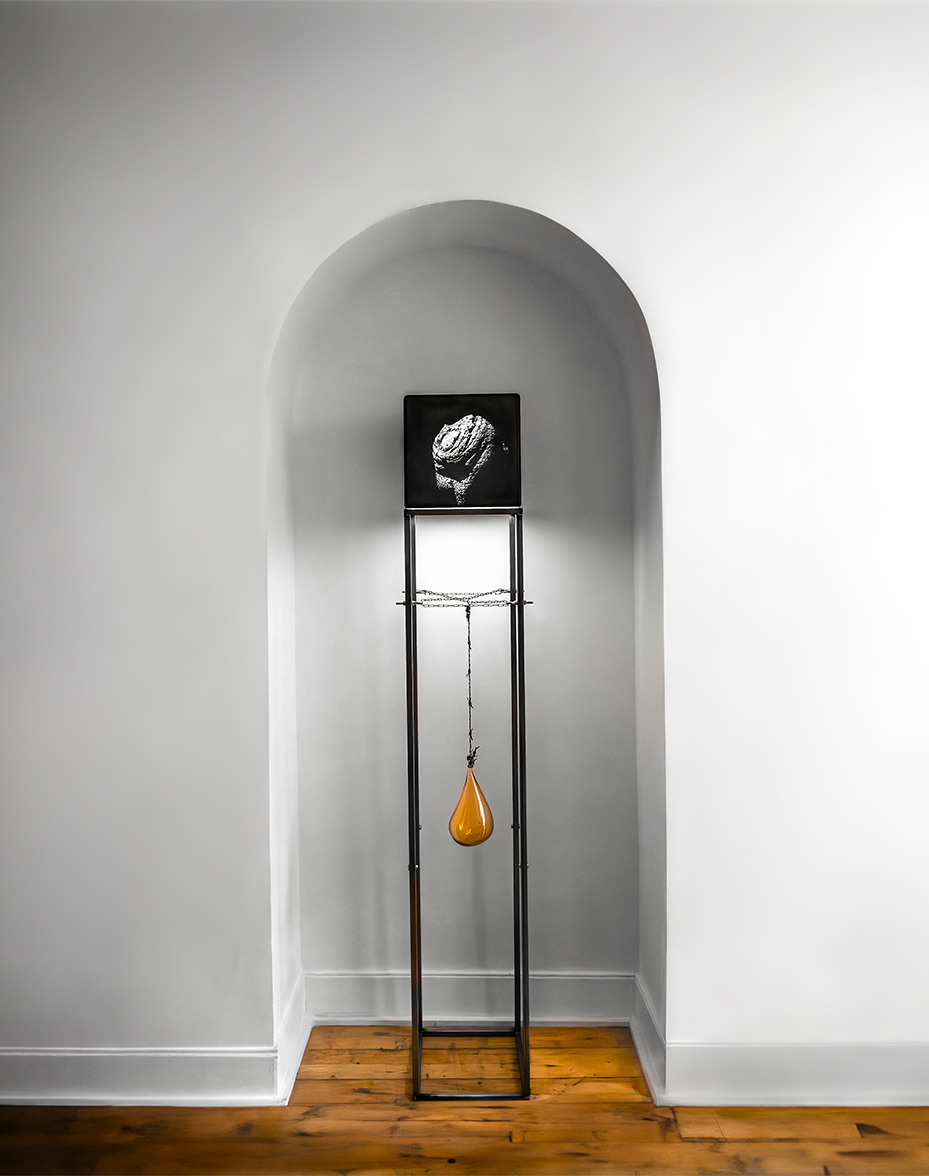
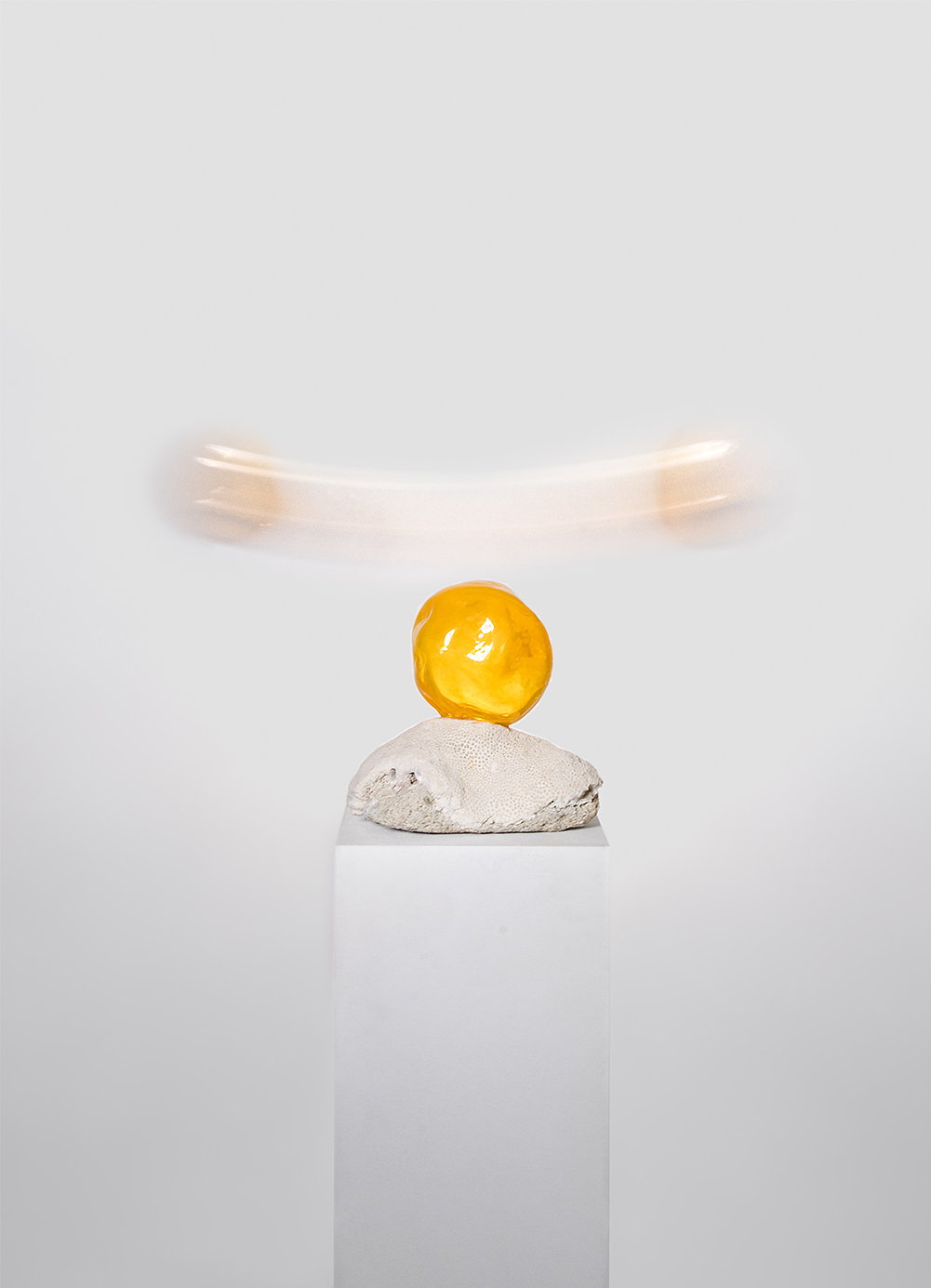
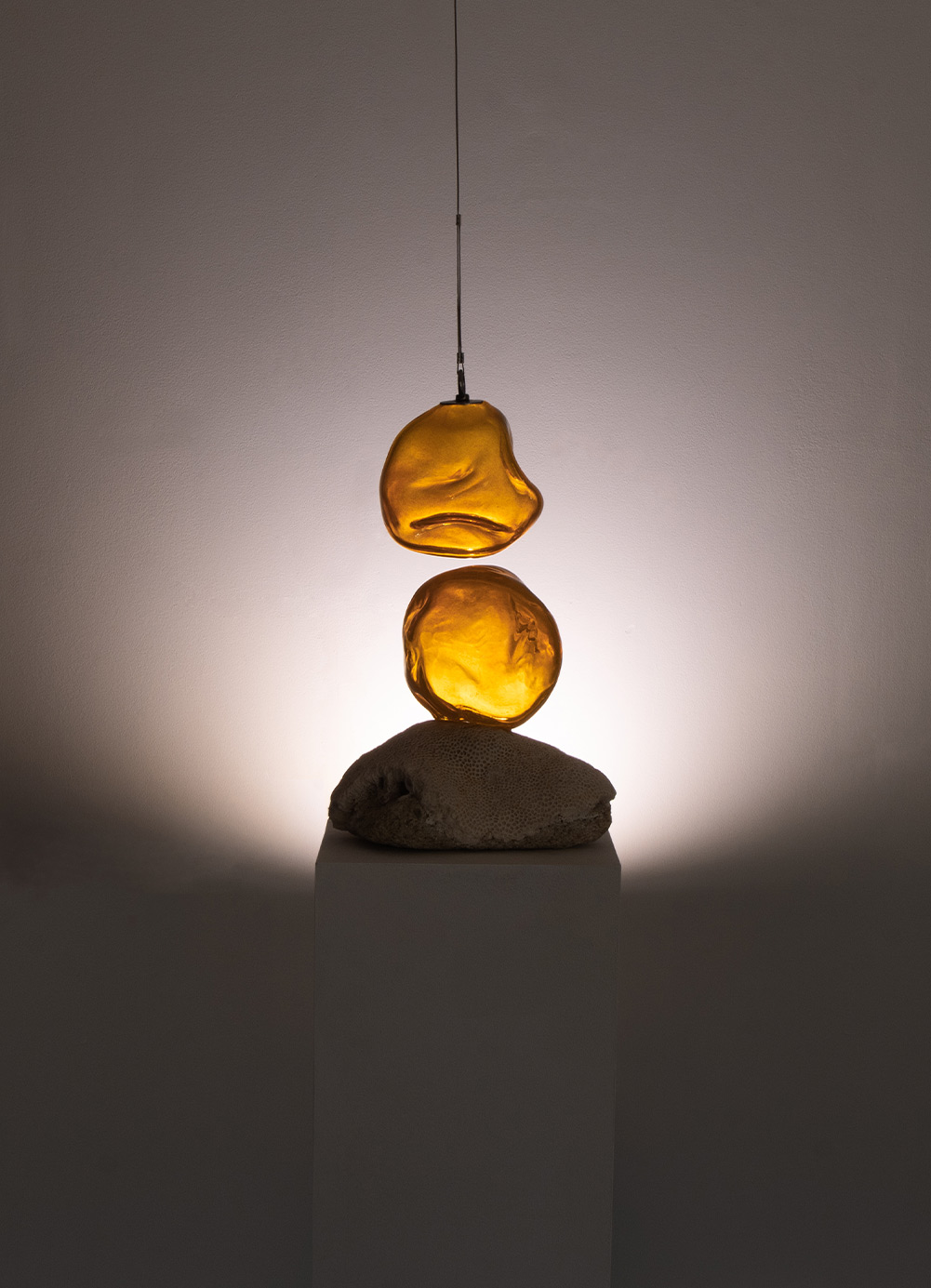
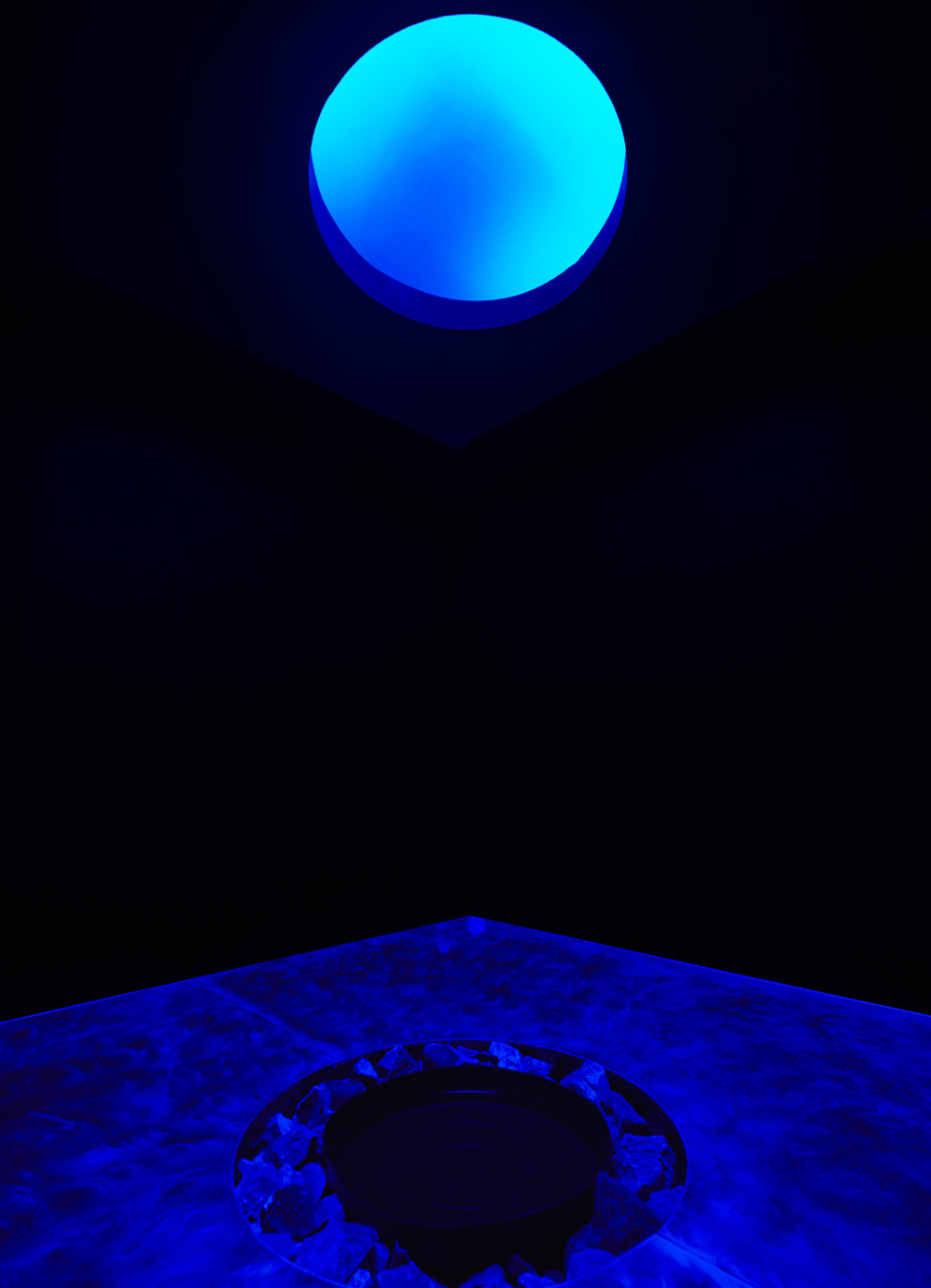
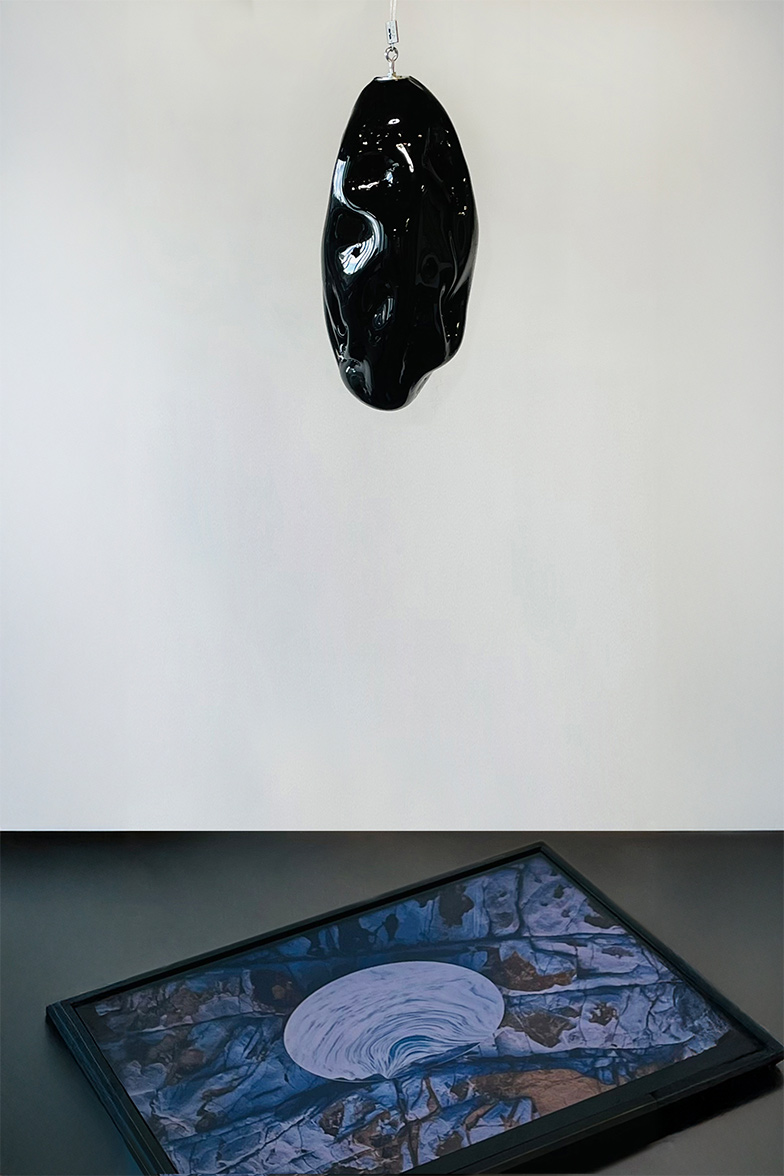
Shaped after the amygdala, the control centre of our emotions, this piece mirrors a heavy psychological state of mind marked by a dark political time. The amber glass was pressed onto a concrete pavement, the textural details that remain on the surface linger, like fragments of a lost time. It reflected the texture of resistance and resilience during the protests in 2019 in Hong Kong when 2 million people took to the streets. It was a precarious time, a turning point for the city I call home. The looming nature of the sculpture hangs above a video depicting a mirror reflecting water, a poem and a sound piece I wrote – a collective ode to the spirit of the resistance: “Be Water”, inspired by Bruce Lee’s teachings. This installation articulates tension, suspension and an enduring memory that will outlive us.
What’s a symbol or object you keep returning to in your practice, something that continues to evolve with you?
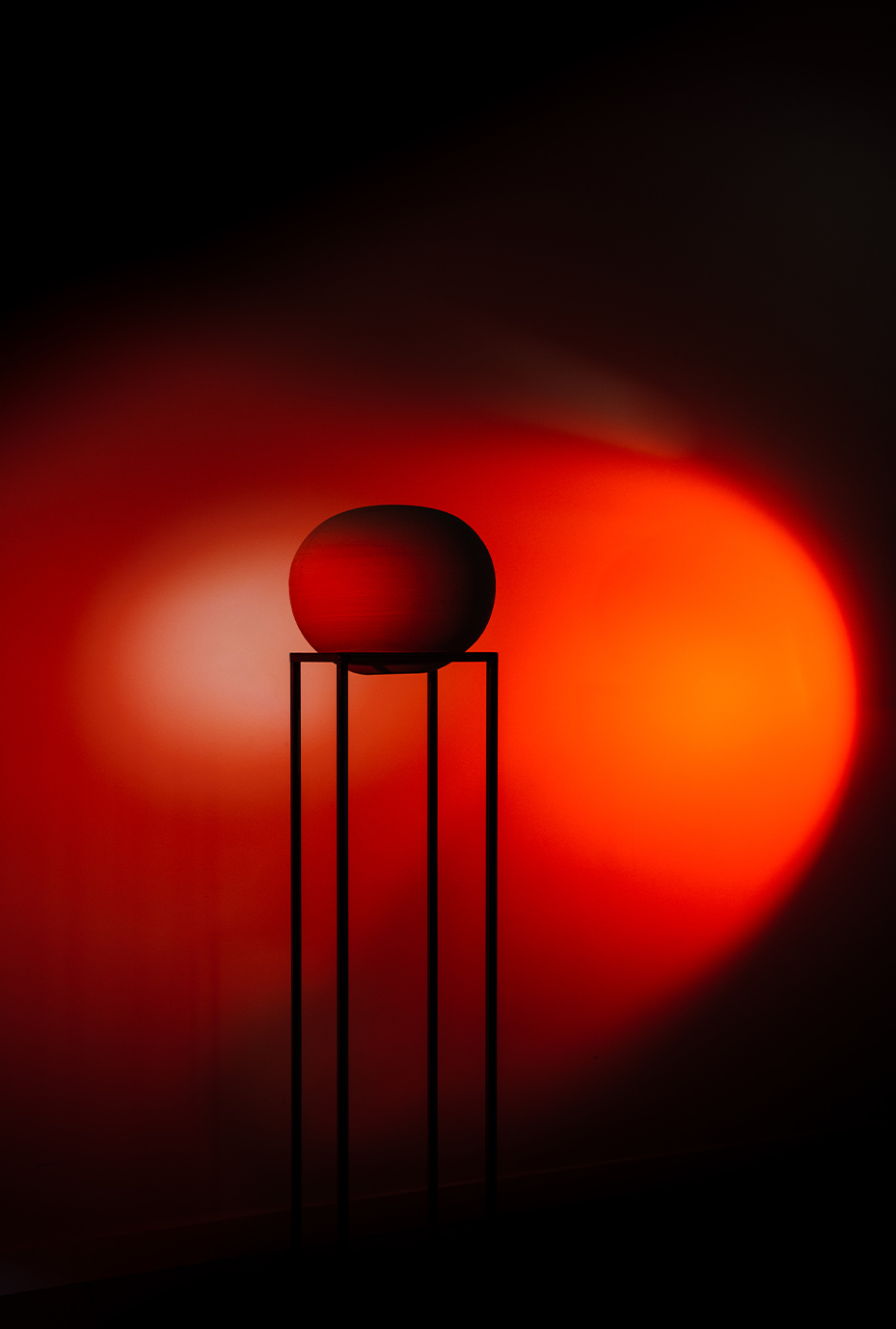
Light has always been present with me. Whether through photography, or glass and metal – I see light both as a vessel and as an active invisible hand that shapes the object. The duality of light is part of its power. I’ve used mirrors a lot in my work and often pair it with light. I enjoy exploring how mirrors evoke and provoke our sense of awareness and perception and how light is an essential element to it. Whether through photography, where both of these things are essential, or through sculpture – where I take apart elements of a camera (metal, glass, light) to rebuild new forms. Using traditionally “hard” materials to explore the lightness of being is something I want to keep exploring.
Where can people find you?
Find me @stephinitely.tengy or www.stephanie-teng.com
Planning some exhibitions soon – so stay tuned!