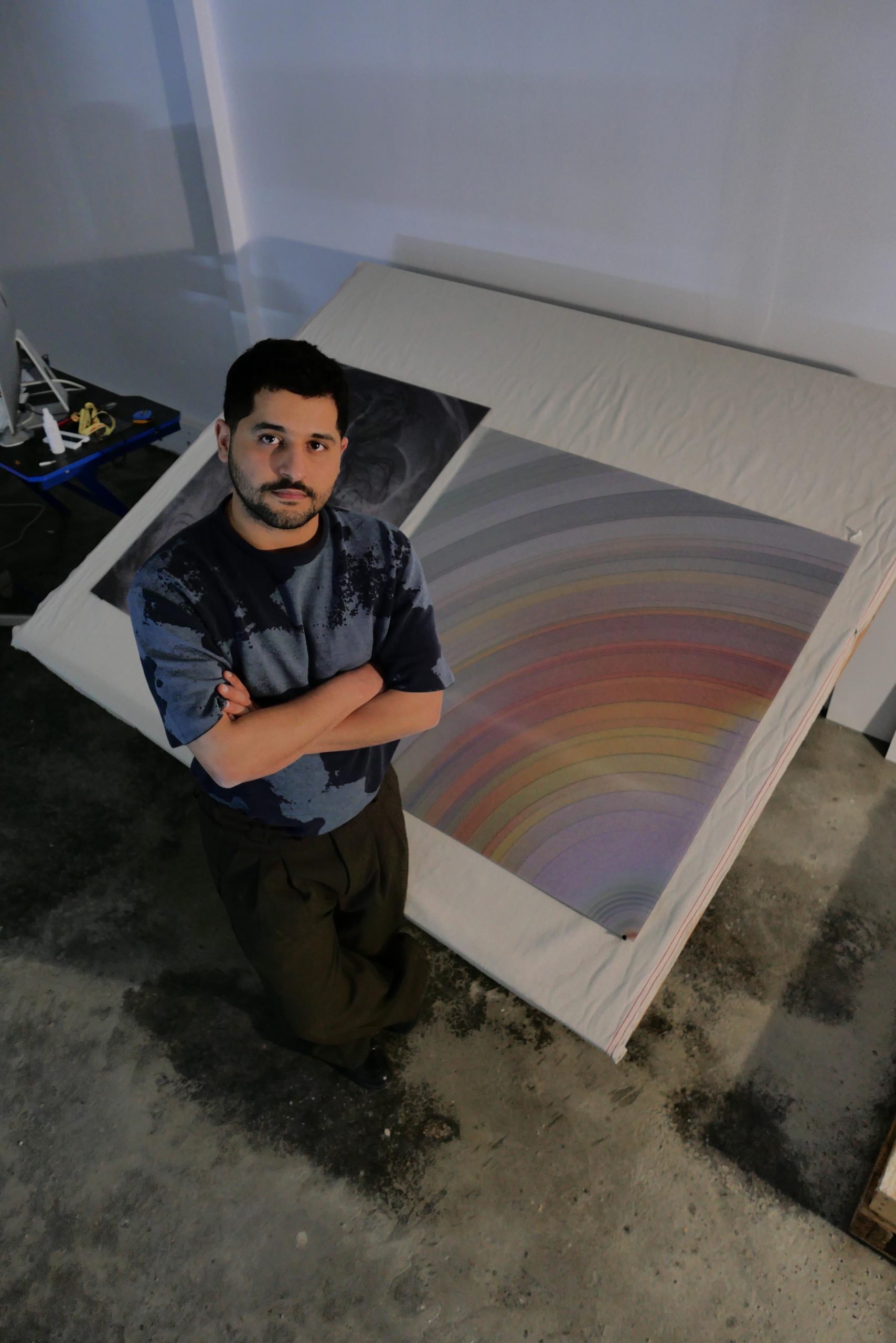
Sulaiman Al Salem
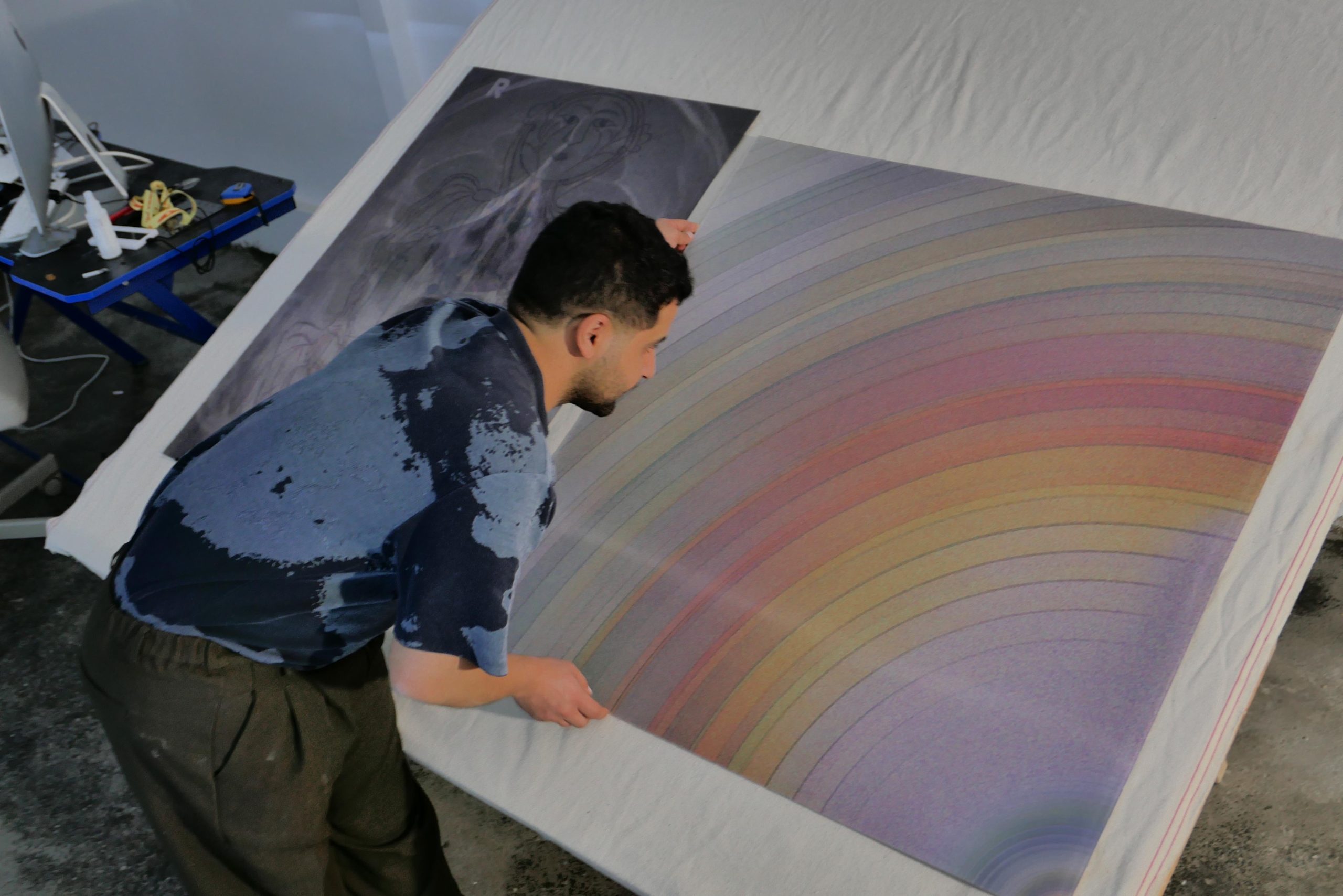
What’s your name and where are you based?
My name is Suliman Al Salem. I recently moved to Riyadh after spending 15 years living and working in Jeddah.
Can you describe what you do?
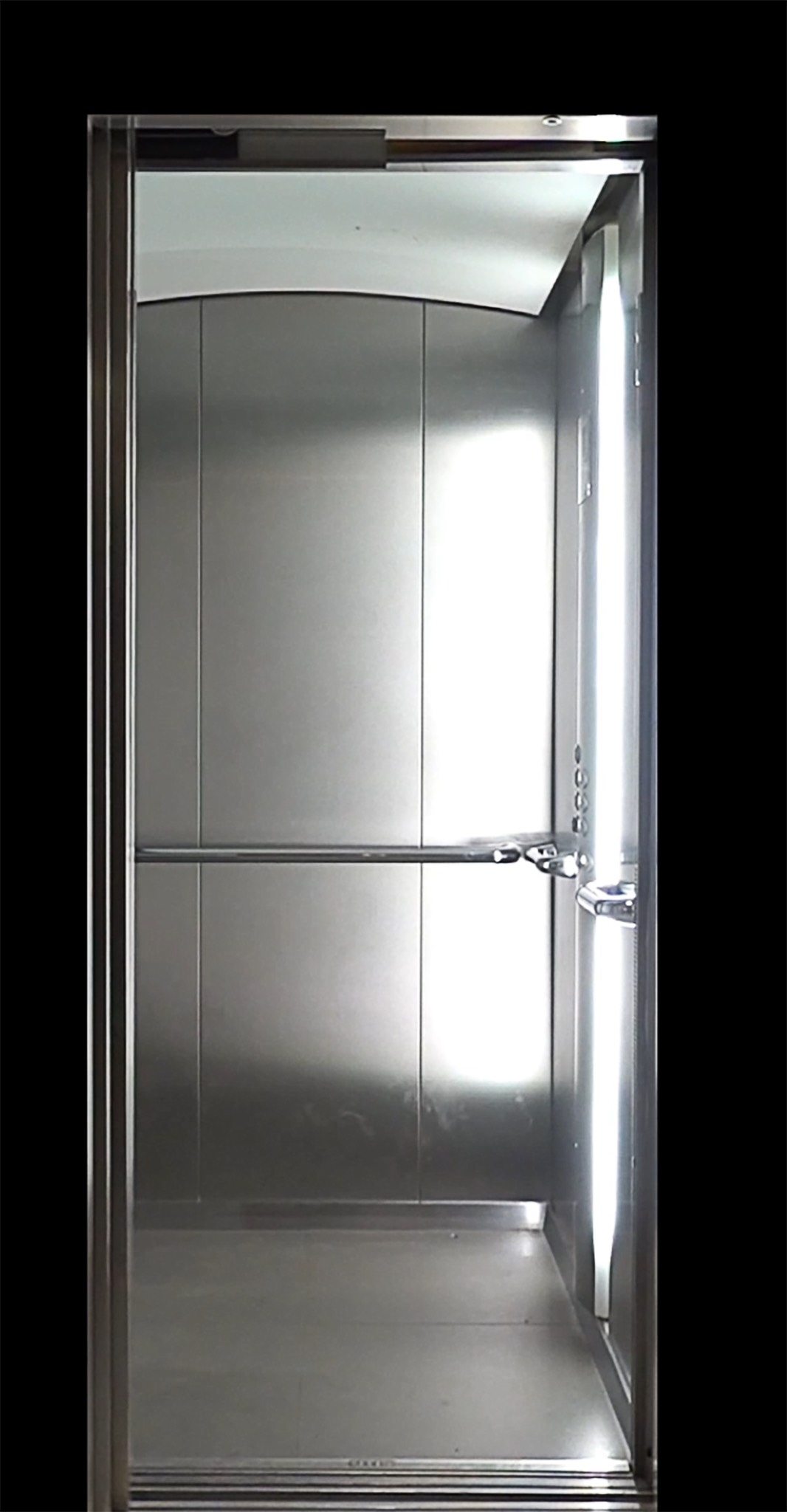
I create moments, not things. My work is not about matter, but about phenomenon, about what cannot be touched or defined but experienced. It is about motivation, circumstances, and states of being.
What led you there?
It was a call from the reality itself a yearning to explore its ever-shifting nature, or perhaps to unveil, that space where being interacts with circumstance. My journey began with a fascination for the unseen, for that inner realm where the feeling and and perception meet where truth is not fixed but is constantly in flux,
How do you develop a concept? Do you write, draw, experiment?
Concepts are not something I develop, but something I uncover or expose. They already exist “hidden, entangled in perception or experience and my role is to bring them into visibility.” Usually, I arrive at artworks more than I arrive at concepts. My process relies heavily on observation and experimentation; I allow myself to get absorbed in phenomena, and from that immersion, form emerges organically.
How do you test a new material? Are you looking for failure, surprise, or control?
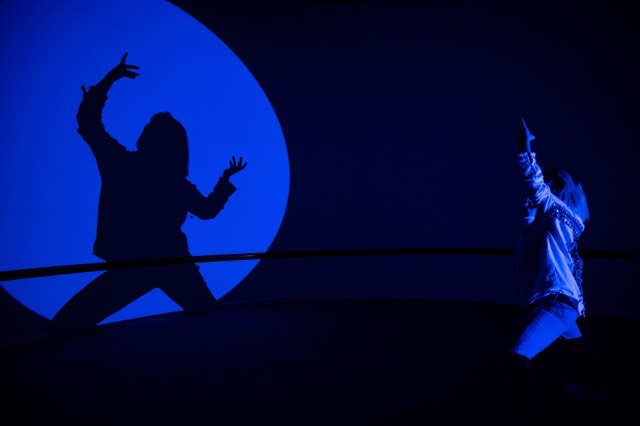
It depends a lot on the situation and context. I shot my first works without my knowledge. I recorded a moment that resembled a phenomenon on video. But over time, there are materials that have a phenomenal existence at their core It draws me to interact with it. I’m looking for circumstances that can’t be explained.
You use television static, looping video, and multiple frame compositions, what do these mediums allow you to express that an image alone can’t?
They allow for movement and movement, to me, intensifies emotion. A still image can document or hold memory, but motion breathes. Loops, glitches, and video rhythms allow me to evoke perception as a living, shifting experience rather than a fixed point.
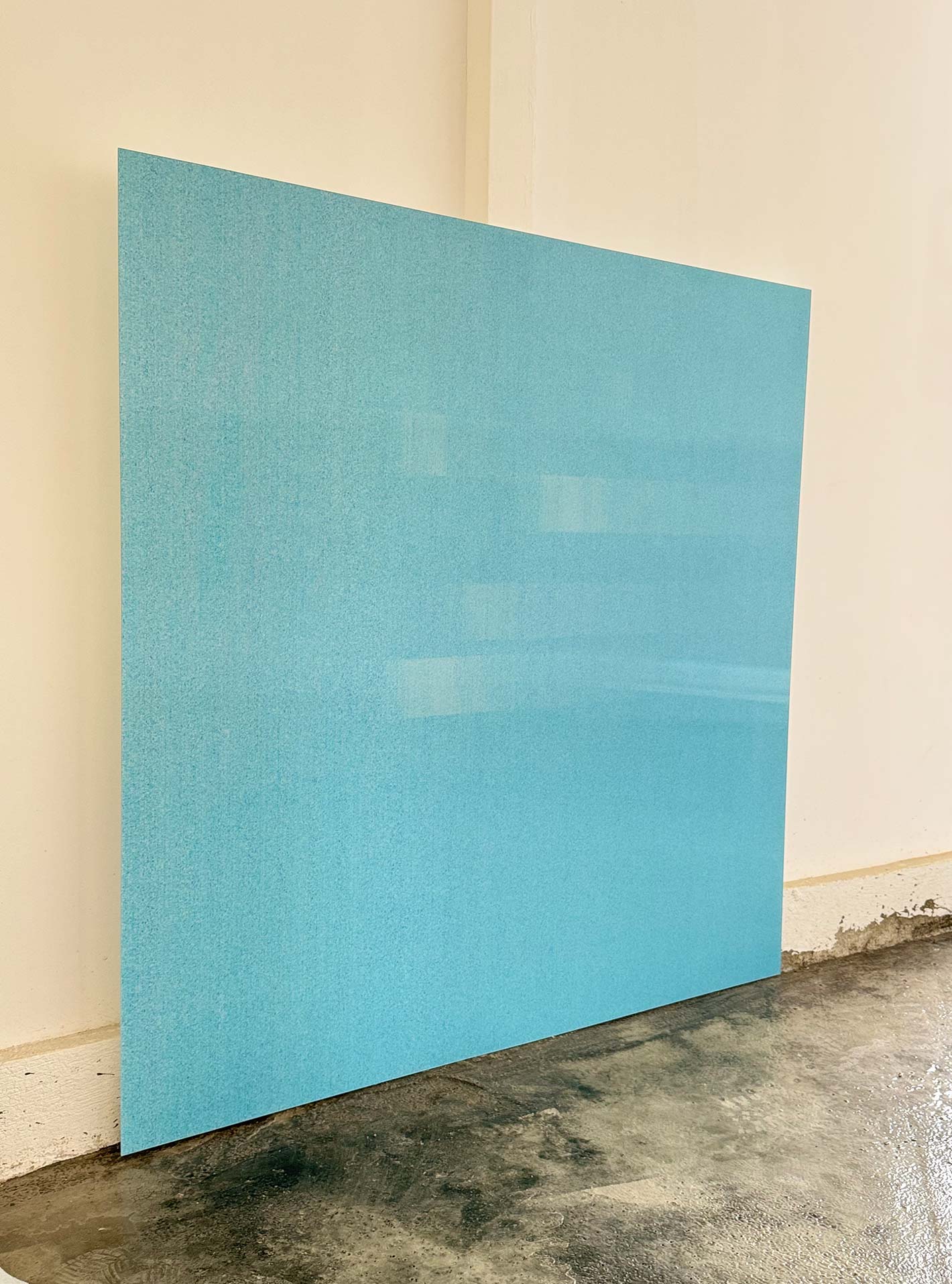
Your recent works create the illusion of motion as the viewer walks around the piece, do you consider your audience part of the artwork?
I’ve always considered the audience as a part of my art works, most of my works are a kind of experience and the experience will not be complete without the experiencer
How does pareidolia shape your creative decisions? Do you intentionally design for the viewer to find something that isn’t there?
I think more in terms of “apophenia” the broader tendency to find patterns or meaning in randomness. I try not to fall victim to it myself, and I’m aware of how easily perception can mislead. Sometimes, I even try to caution the viewer: what you think you see might not be there and that in itself is part of the work.
In “CCC,” the title itself is a construction. How important is naming a piece to guide perception?
Naming the artwork is one of the fun steps for me, in this piece from the Floating on the Horizon series which relies on optical illusion to draw attention to the fact that not everything that can be followed can lead to meaning. Often we follow illusion, so by following illusion with intention I named this piece “CCC”
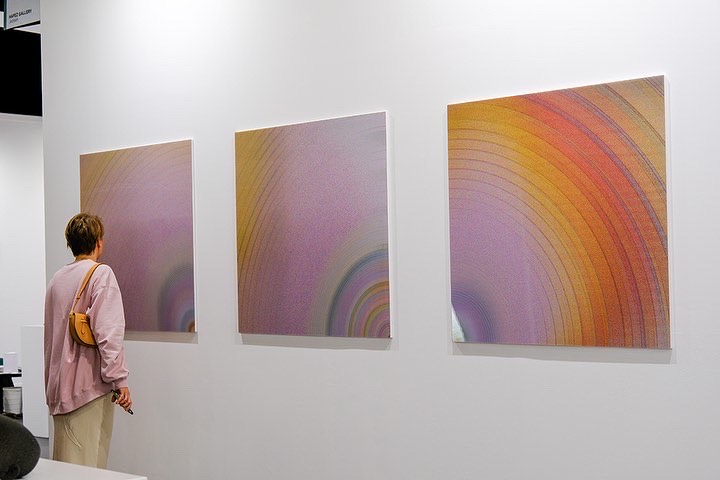
Do you think philosophy helps you explain your work to others? Or just helps you understand yourself more deeply?
I think it just helps me understand myself more deeply, art is born at the edge where language breaks.
For me, philosophy isn’t a tool for explanation it’s a framework for understanding. Art begins where language ends. Philosophy helps me understand myself, my questions, and my contradictions. But when it comes to the work, I want it to speak in its own language.
Where can people find you?
You can find me at my personal studio in Diriyah, on Instagram at @sulimanelsalem, or on my website www.sulimanslalem.com. I’m also currently preparing for a solo exhibition scheduled for 2026 Location will be determined later.