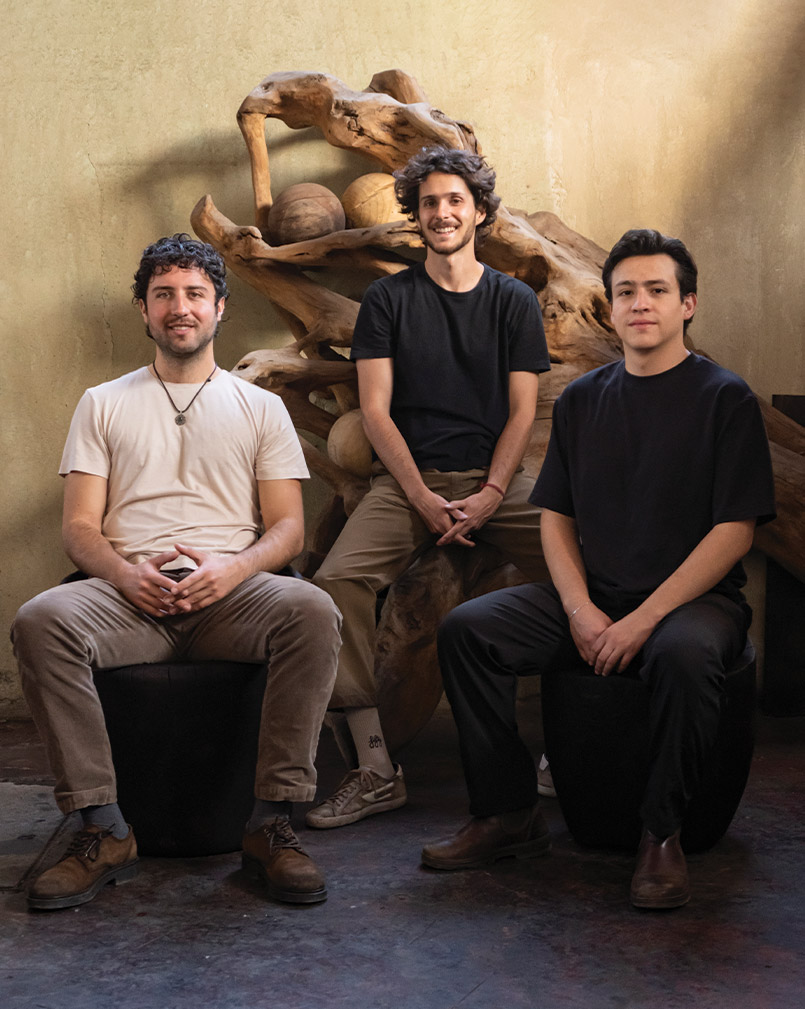
Taller Batan
What’s your name, and where are you from/ based?
Sebastián Cappiello and my partner Marco Cordero. I was born in Venezuela, but we are based in Mexico City
Can you tell us a bit about what you do and how Taller Batán came to be?
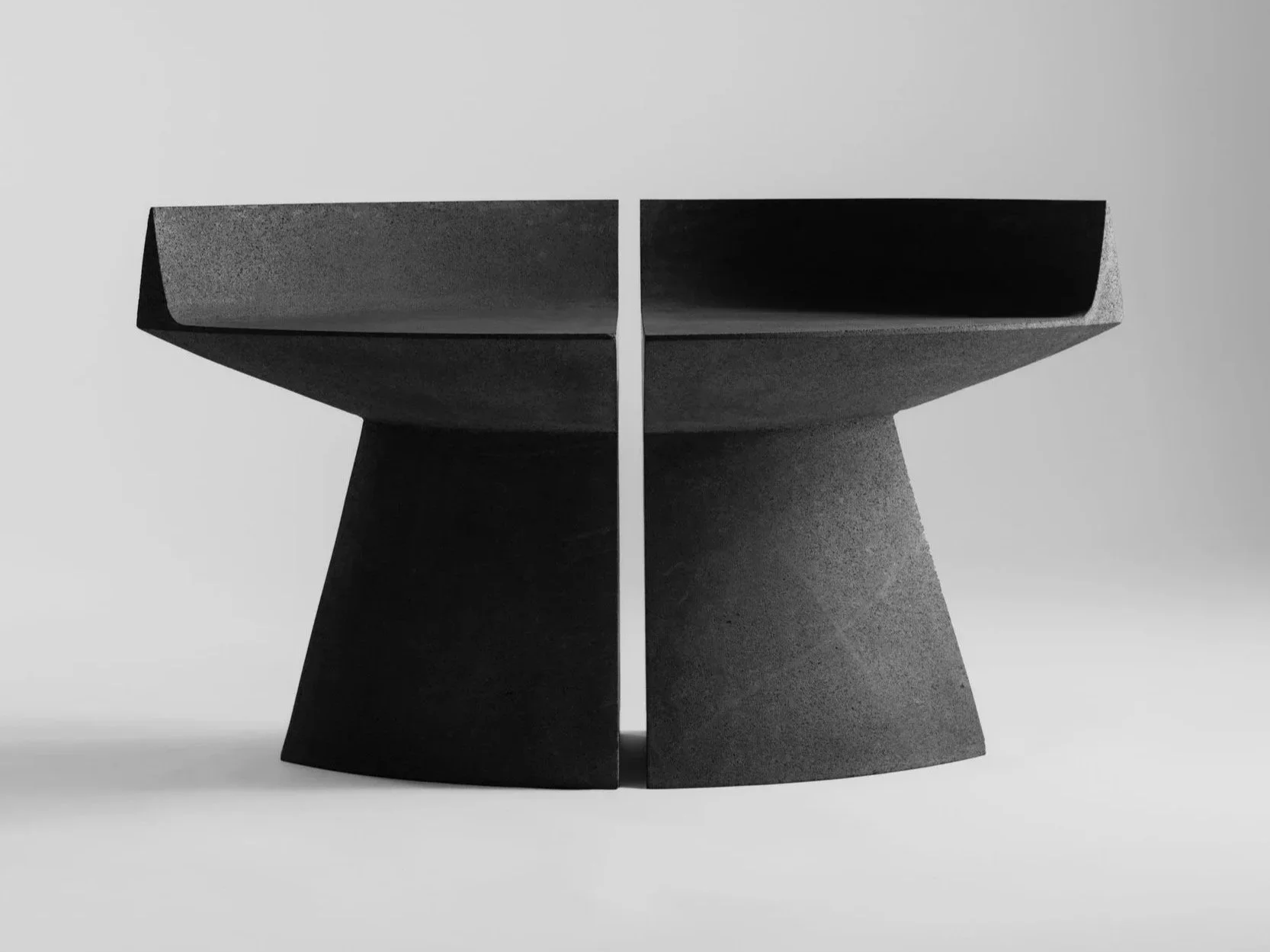
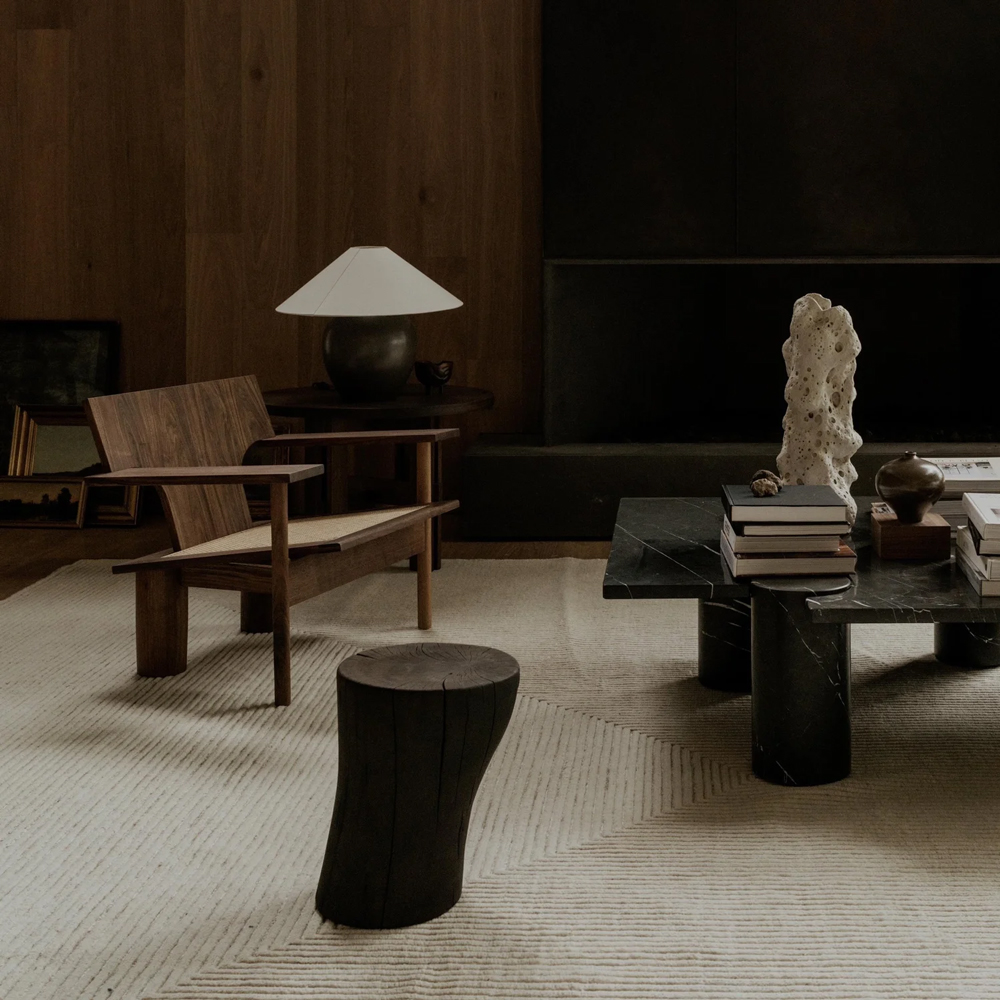
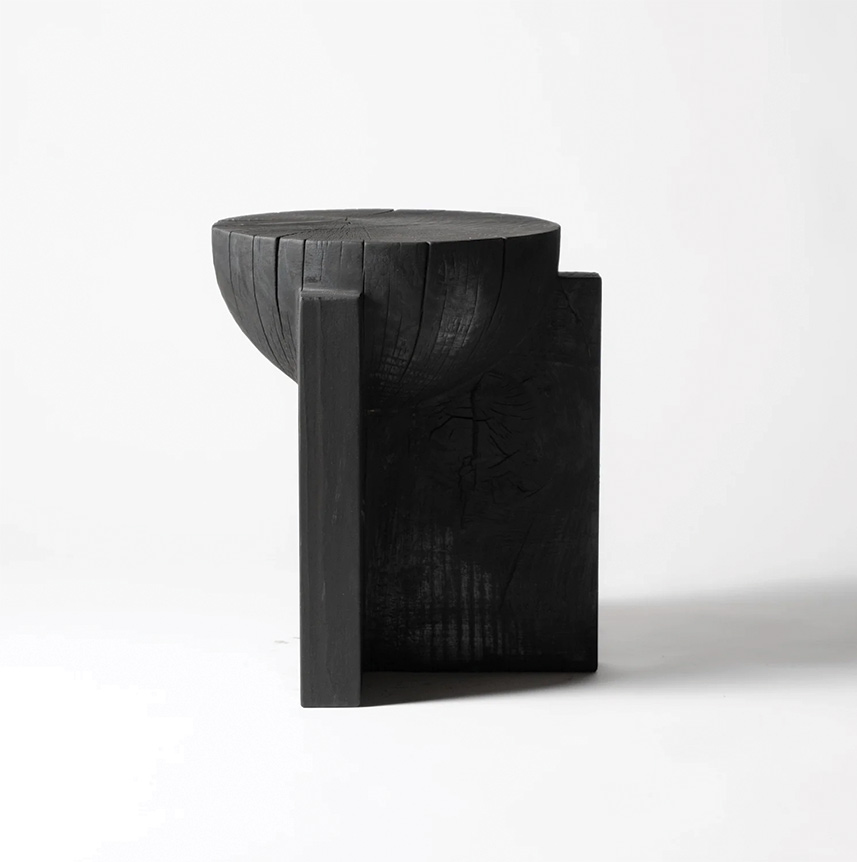
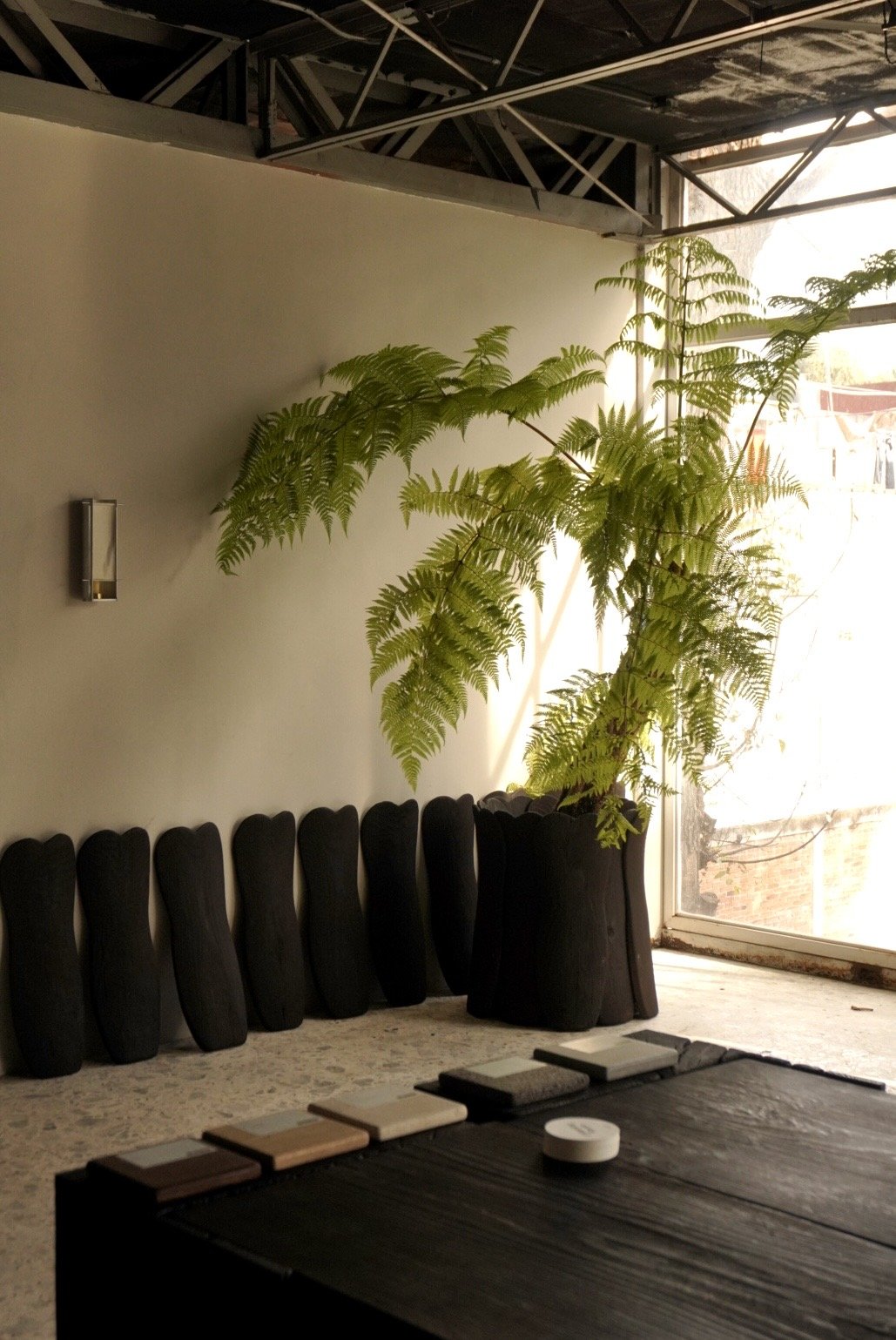
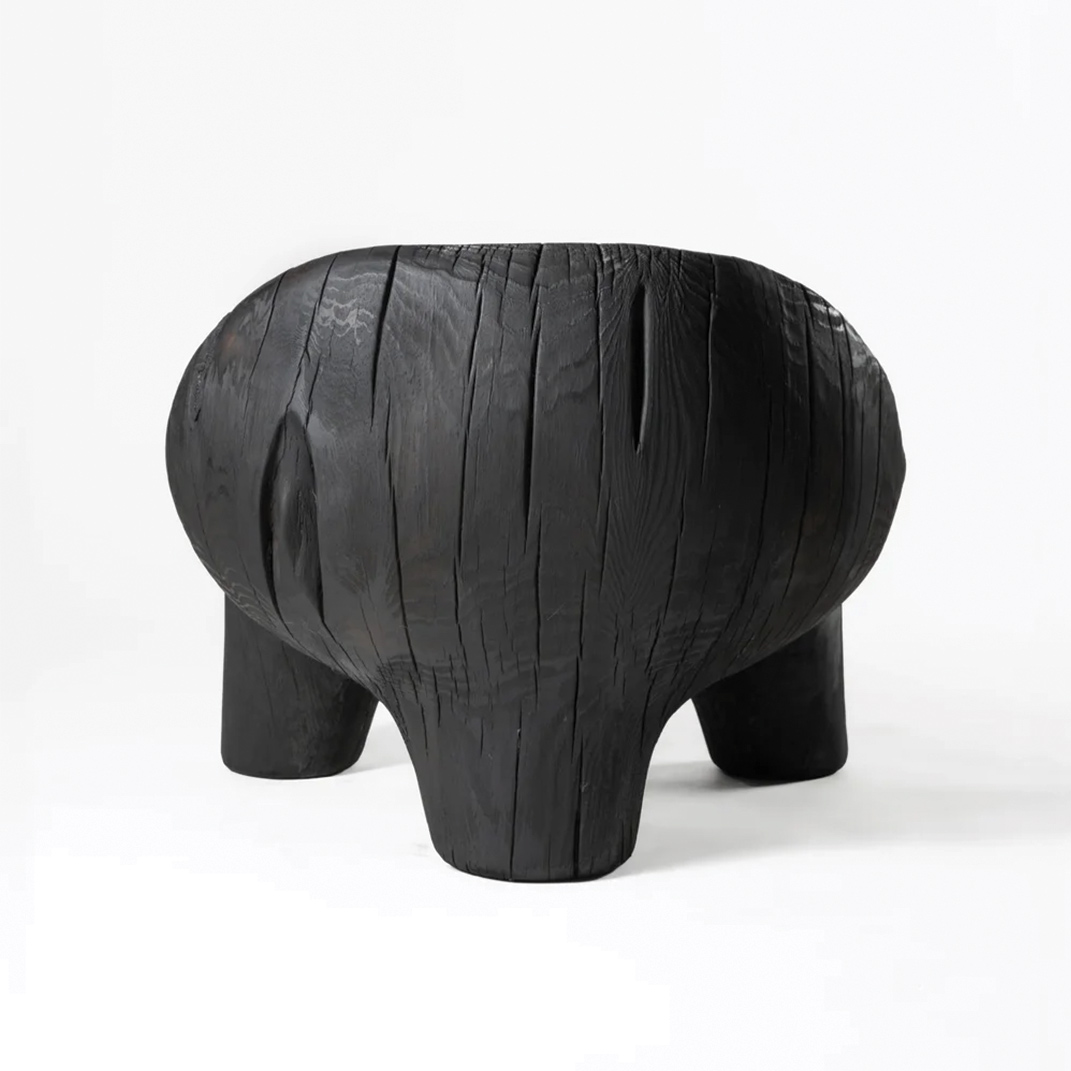
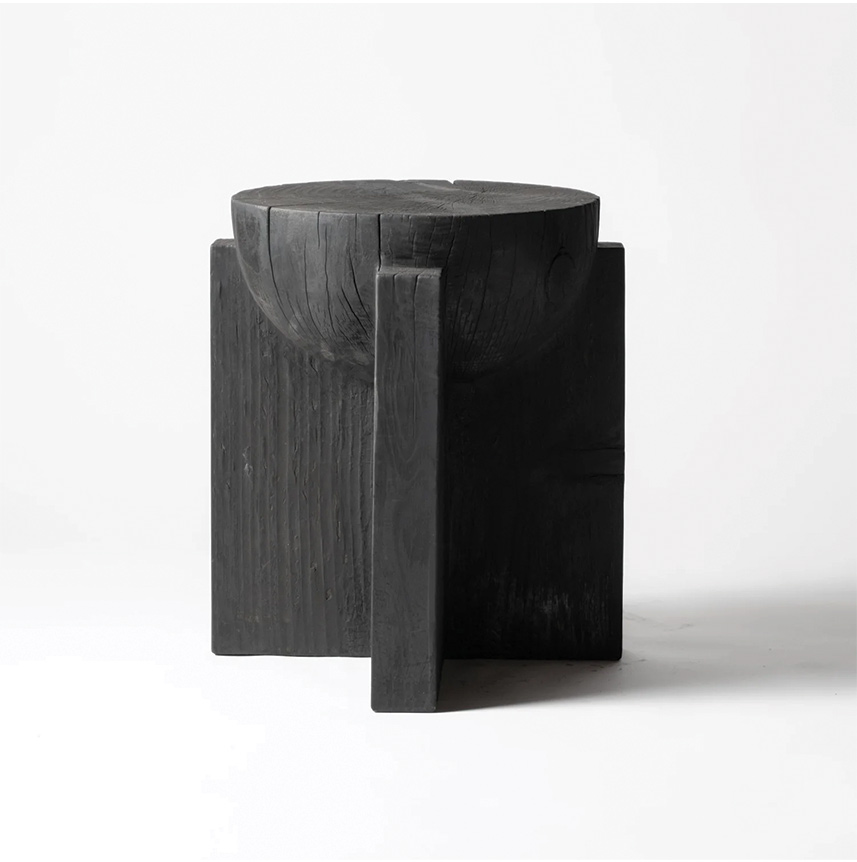
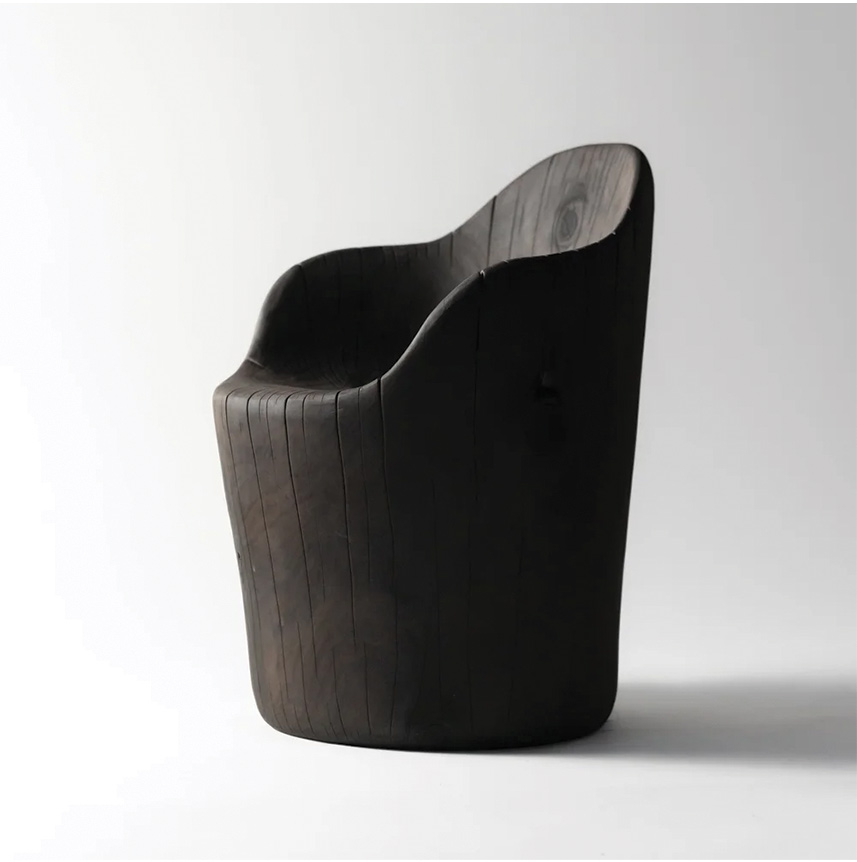
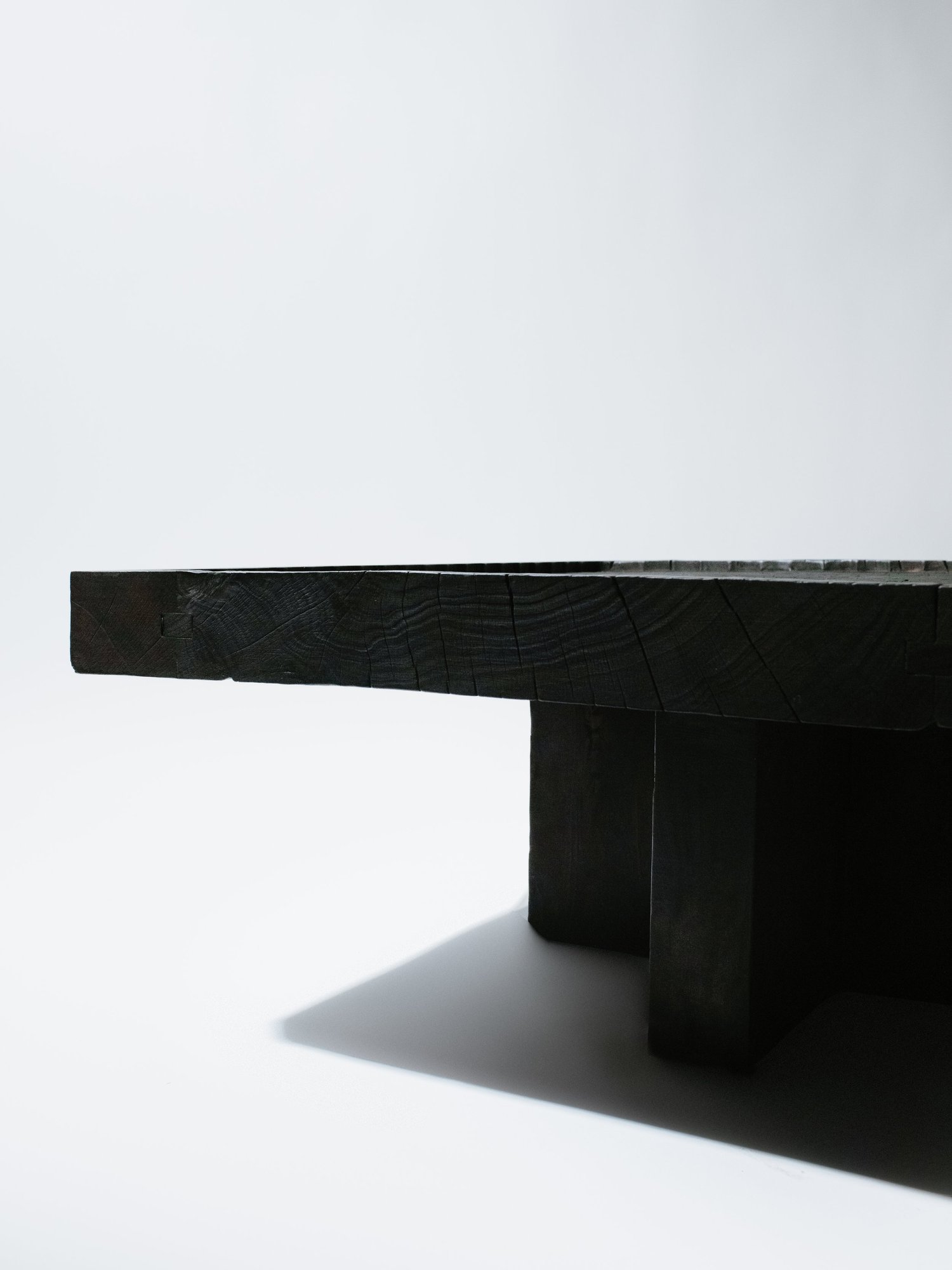
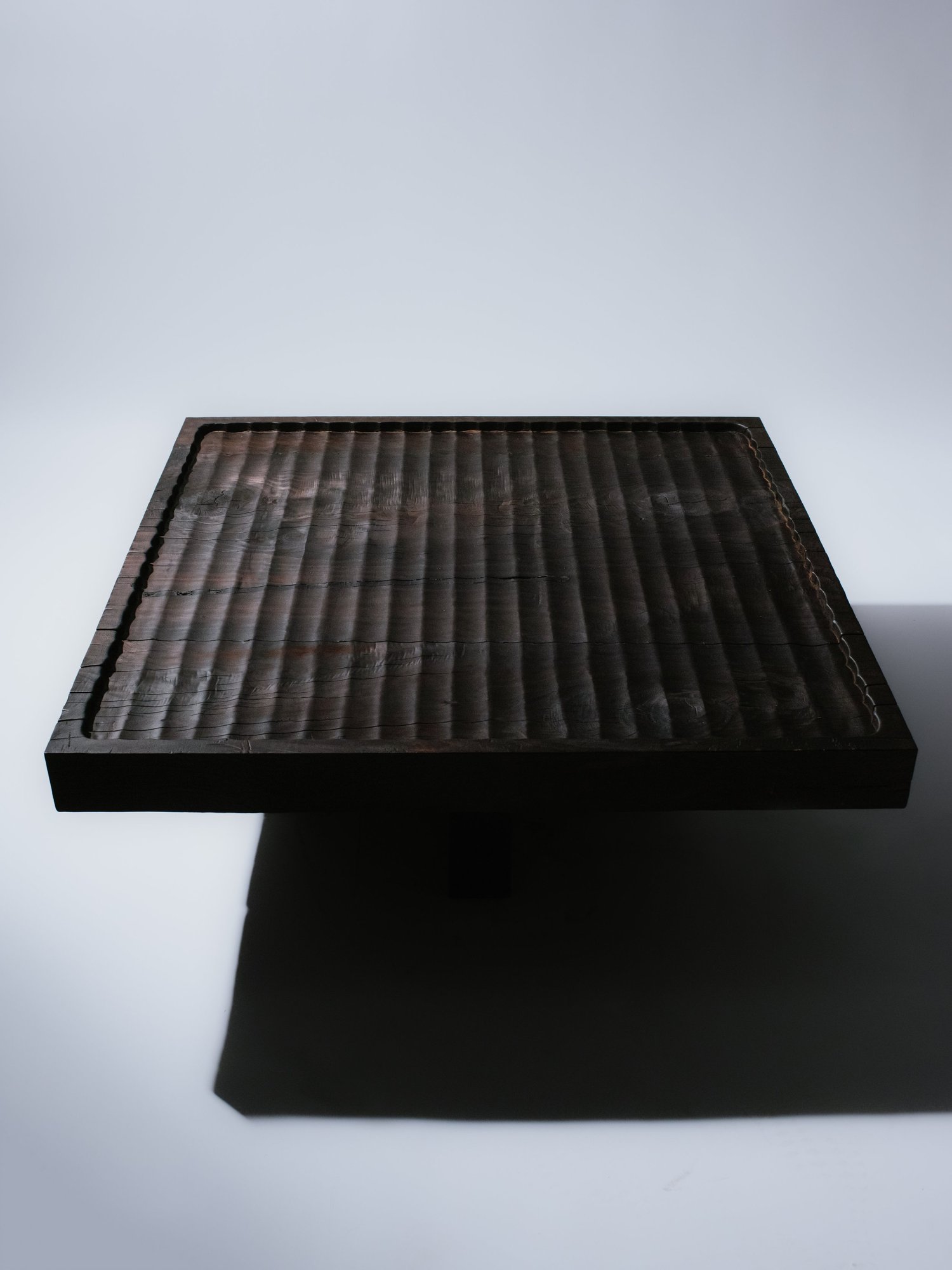
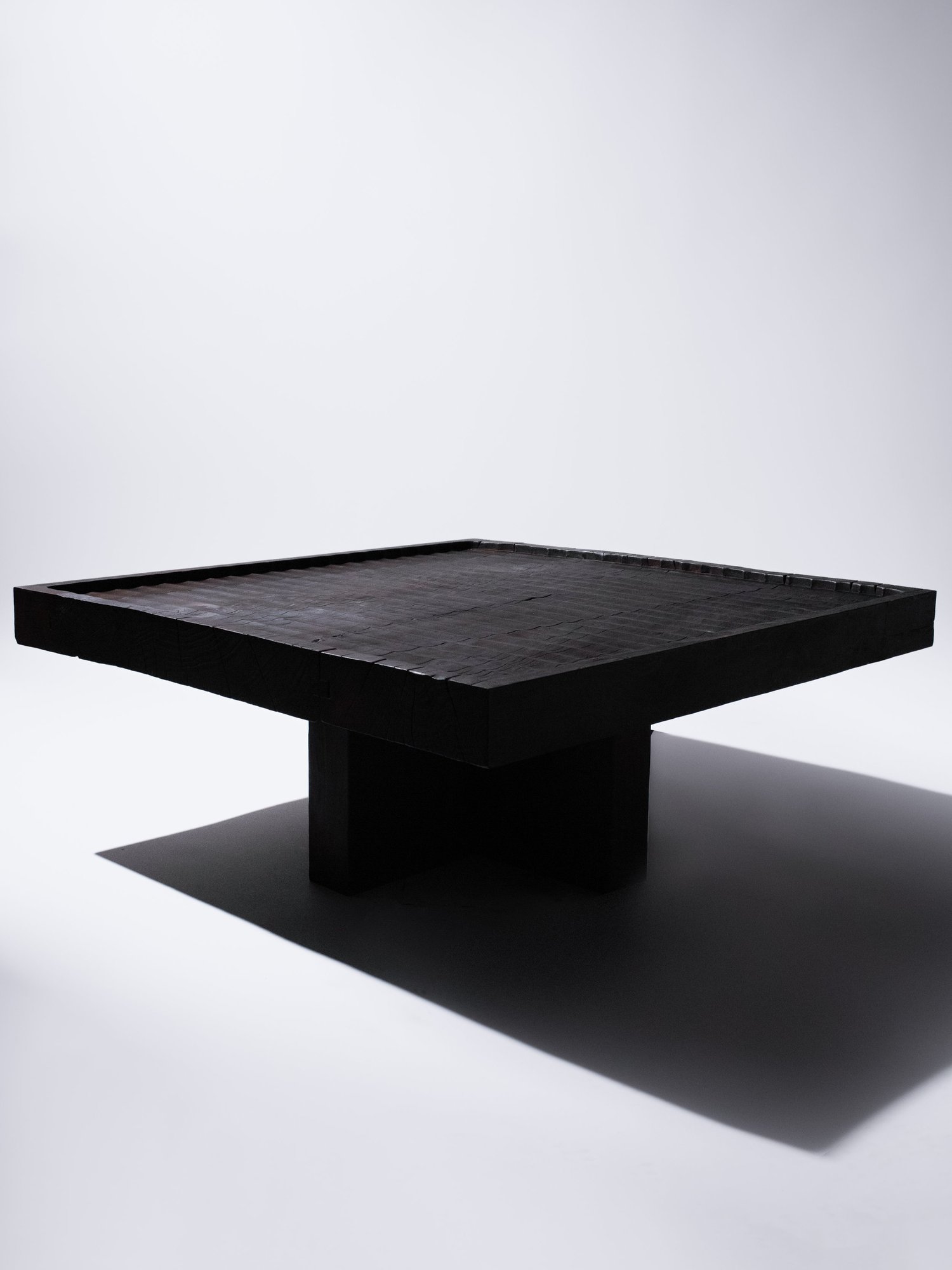
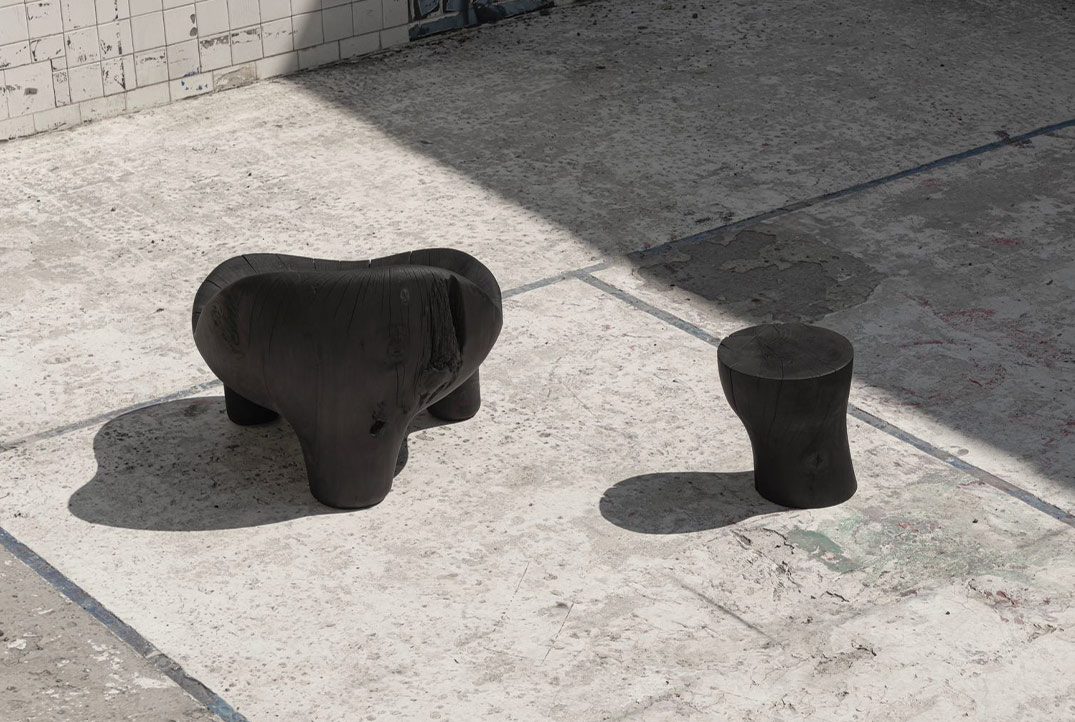
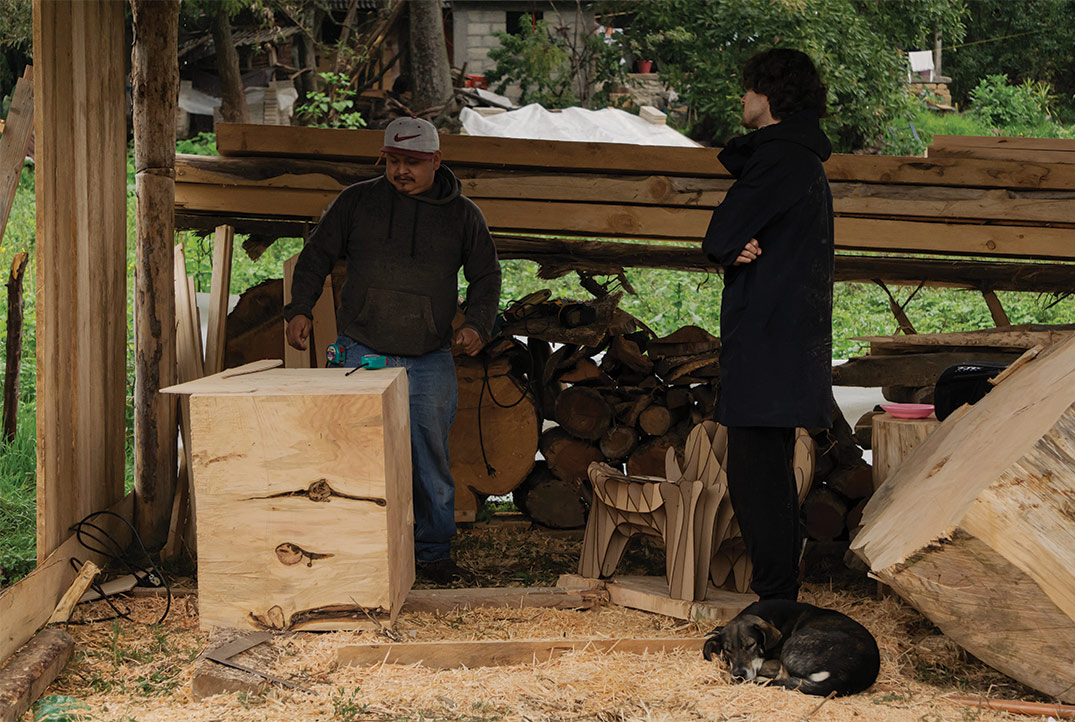
I like to call ourselves woodworkers or wood artists. We create sculptural furniture using reclaimed wood—that’s our main focus—but we’ve also built a Finnish sauna from scratch, worked on large-scale sculptures, and run a forest restoration program in the area where our workshop is located. Like many great things in life, Taller Batan was born out of friendship (we’ve been friends since high school) and opportunity. Neither of us had a background in woodworking at the time, but Marco invited me to visit the forest restoration program and showed me all the reclaimed wood that was going unused. We started with little knowledge but a lot of enthusiasm.
Your bio says “bring the forest inside.” What does that phrase mean to you personally?
That’s a phrase by Zanine Caldas, a self-taught Brazilian designer, architect, and woodworker, that resonates with me. He’s a great inspiration. The phrase refers to Móveis Denúncia, a collection of wooden furniture he made in the 1970s from felled Amazonian trees, turning destruction into something meaningful.
Have you always felt a connection to the forest, or did that relationship grow through your work with wood?
I was born in Caracas, a very tropical city. I literally lived 20 minutes away from a massive mountain that separates the city from the Caribbean Ocean. The city is lush, filled with parks and towering trees. But I have to admit, my appreciation for nature grew even stronger when I started working directly with wood. The more I learn, the more I want to explore.
What qualities or characteristics draw you to the materials you choose?
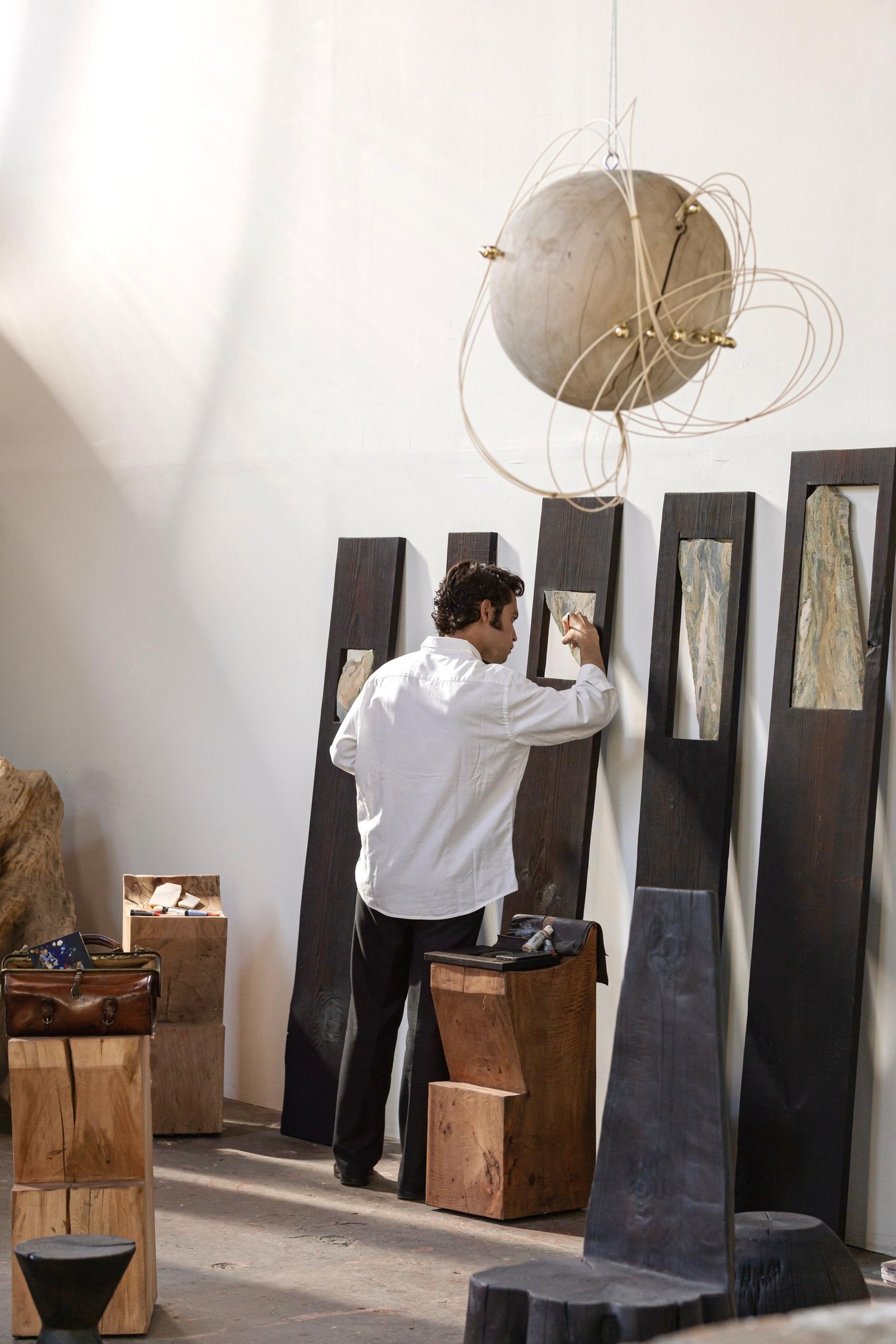
I believe wood is an infinite material—arguably the most important material in human history. What truly interests me is finding new ways to express its inner qualities. Being such an ancient material makes this a challenge, but the idea of working directly with reclaimed logs feels more relevant than ever in a time when ecological consciousness is critical. We primarily use white cedar, an invasive species in the forest. This ties together our restoration program and Taller Batan.
How do material and inspiration work together in your process?
I know it’s a common answer, but nature is an infinite source of inspiration. I believe beauty and design have a universal language, one that can be found in nature across the world.
If you had to work with a different material, which would it be?
It’s ironic, but I’m also very drawn to new technologies—things like 3D printing and automated robotics. We’ve also worked with stone, which feels essential to explore in Mexico. Our design language translates naturally to stonework.
Do the objects you create reflect the kind of pieces you surround yourself with at home?
That’s a great question, but absolutely not! My home is mostly filled with midcentury design, which I really like and respect, but it’s definitely not what I’m trying to do. I’d love to build a wooden lodge or house filled with our pieces, but I think living with too much of your own work could feel suffocating.
Is there anything you’ve found yourself collecting over time that influences your practice?
I like to think of myself more as a collector of memories, techniques, and experiences rather than objects. There’s a beautiful concept in Japan called Shokunin, which refers to a master craftsman who dedicates their life to perfecting their craft. More than just a skilled worker, a shokunin embodies discipline, precision, and a deep sense of responsibility toward their work and society. The focus isn’t just on the final product but on mastering the technique, continuous improvement, and respecting materials. I completely connect with this idea—I believe we should focus less on what we own materially and more on what we cultivate spiritually.
What’s something you’ve recently unlearned or changed your mind about?
I think it’s crucial to understand your limits and appreciate teamwork. No one gets far alone.
What’s something you used to think was important, but now feel okay letting go of?
I’ve been deeply immersed in this project, but there’s always a balance to be found—between the pieces we make, communication, branding. Nothing will ever be perfect, but getting things done is more important.
Where can people find you?
You can find us on Instagram at Taller Batan and on our website, www.tallerbatan.com. We have a space in the Roma Sur neighborhood of Mexico City, and anyone up for a short road trip is welcome to visit our main workshop in Donato Guerra, about an hour and a half from the city.