Textile Seekers
What’s your name and where are you based / from?
My name is Thao Phuong. I was born in Vietnam and left as a refugee with my family. I grew up in Melbourne, Australia, and have been living abroad for over 20 years across seven different countries. I am currently based in Barcelona.
How would you describe your practice in a few words?
Research-driven, craft-led, and rooted in cultural preservation, storytelling, and collaboration.
In your earlier years, what was your relationship to fashion and textiles?
My mother sewed when I was younger, so I was always surrounded by it. I remember helping her, and it became a family effort. My brothers, my sister, and I would all step in when there was a deadline. Through that, I understood very early on how clothing played an important role in our world, or at least in my world. It showed me how textiles sit at the intersection of care, labour, time, and family.
What led you to begin TextileSeekers?
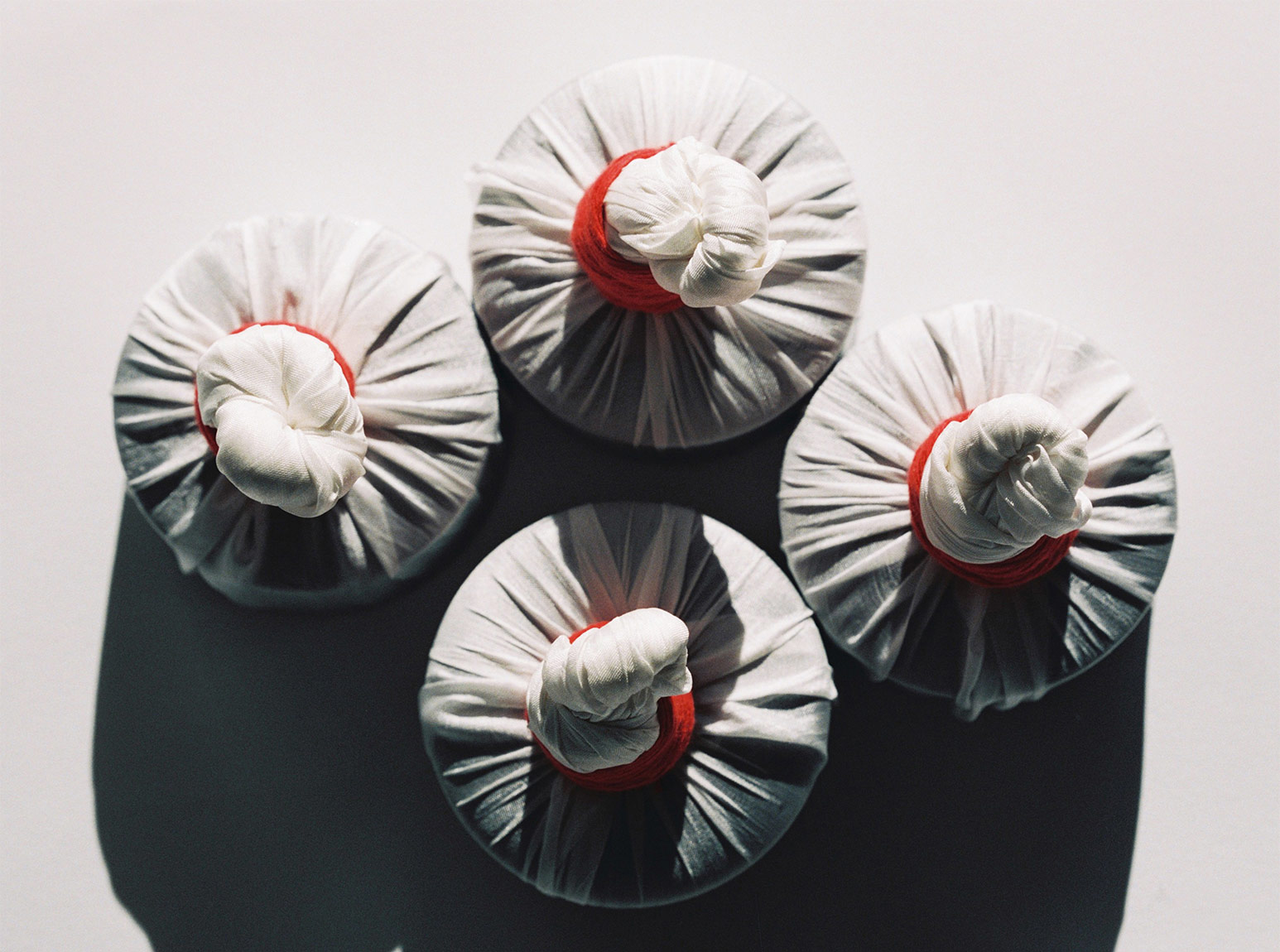
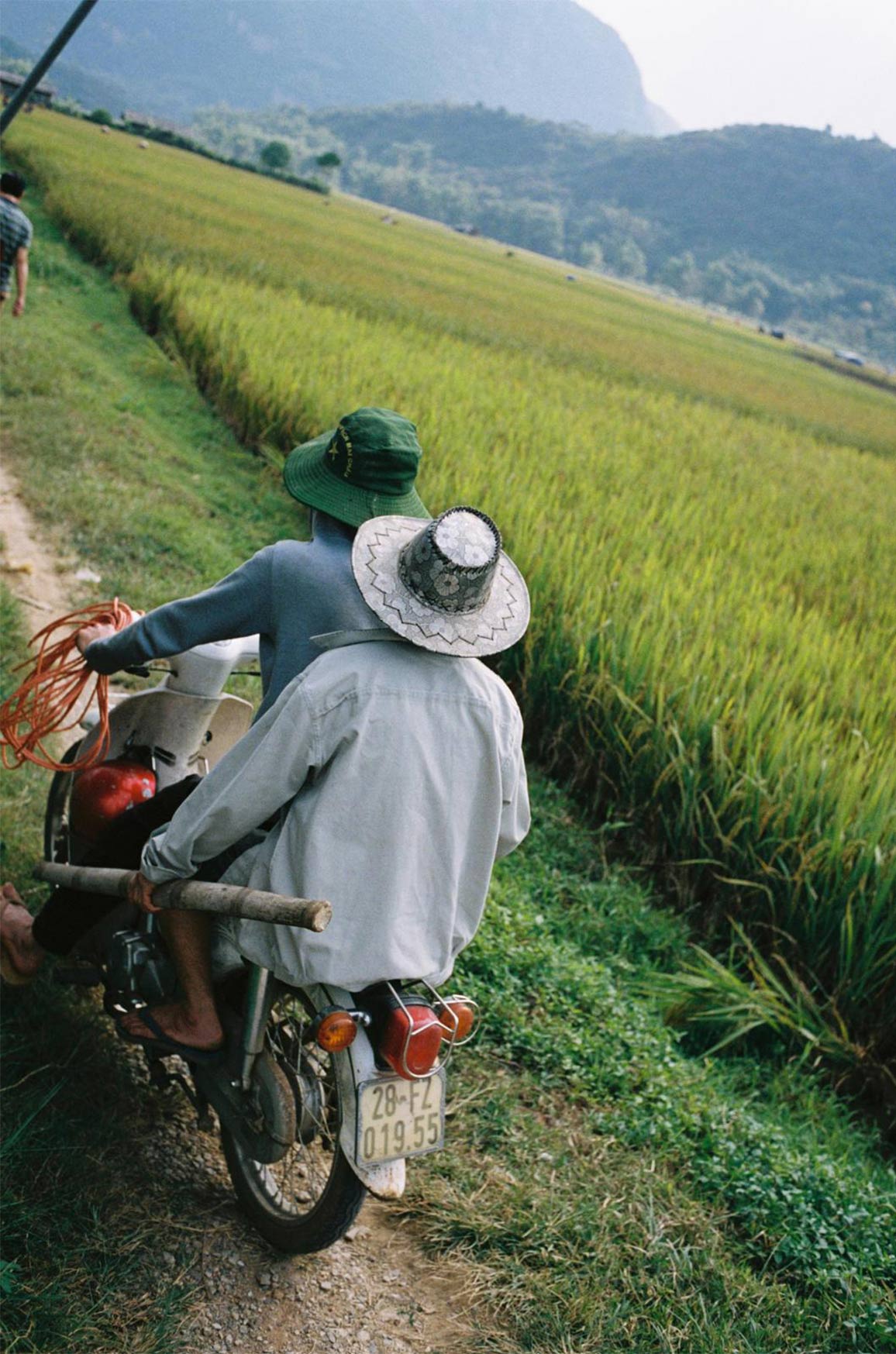
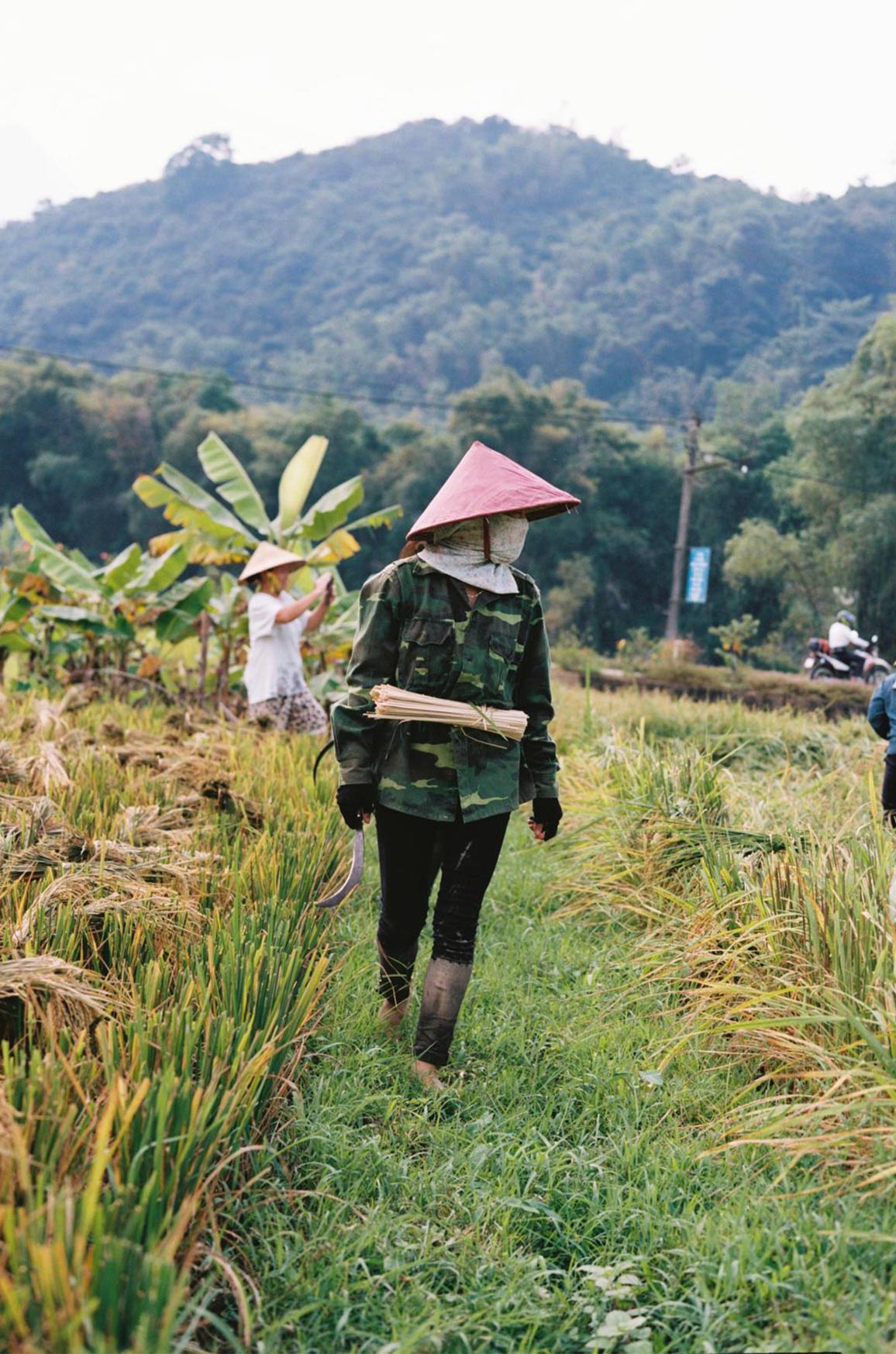
TextileSeekers began after a trip to Vietnam that shifted something fundamental for me. Through connecting with Indigenous communities, and later through working alongside a non-profit organization, I became aware that many Indigenous groups are highly susceptible to human trafficking and economic exploitation. It became clear that preserving textile knowledge is not only about heritage, but also about protection, dignity, and future livelihoods. By supporting and valuing these crafts, my hope is that younger generations will stay, learn from their ancestors, and continue these traditions.
Documentation and photography play a key role. What do you hope images and stories can hold that objects alone cannot?
Much of the imagery for TextileSeekers is created with photographer Anouk Nitsche, who has become a very close friend. She was originally a traveller on one of the retreats, and since then it has felt like a perfect union. The way she sees and captures the world aligns deeply with how I experience it. When we work together, something very instinctive happens. Images and stories can hold atmosphere, emotion, process, and intimacy in a way objects alone cannot, especially once those objects leave their place of origin.
Can you tell us a bit more about your collaborative project In Their Hands?
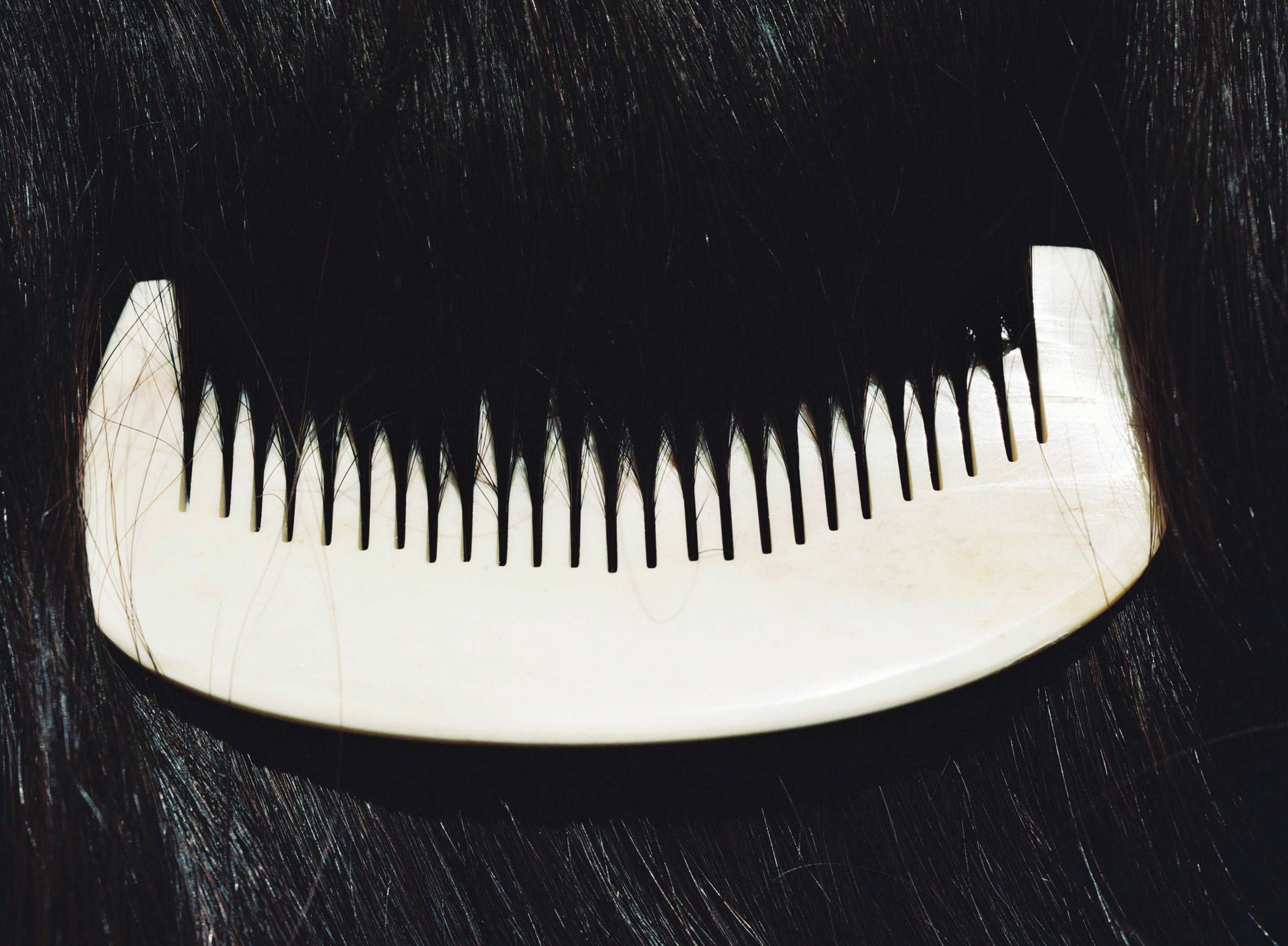
In Their Hands is a collaborative series where I invite creatives, thinkers, and cultural figures to create an object with TextileSeekers. Each collaboration begins with conversation and reflection around memory, heritage, and use. The object becomes a shared expression rather than a standalone product.
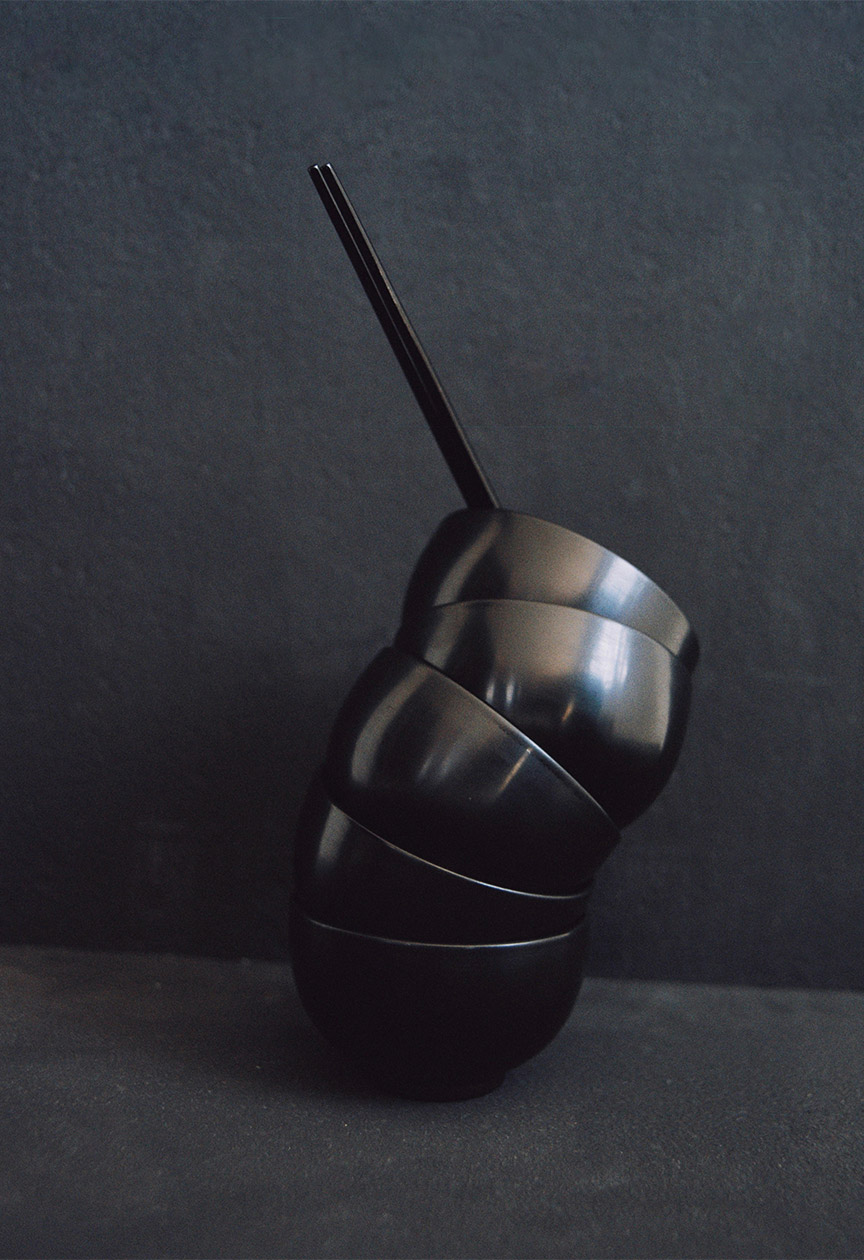
What is Thôi Nôi and how have you adopted this tradition to begin your series of collaborations?
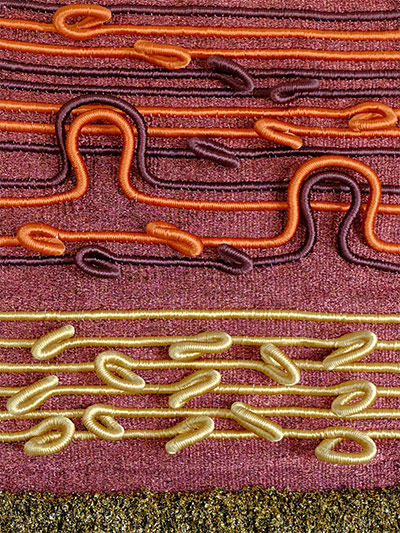
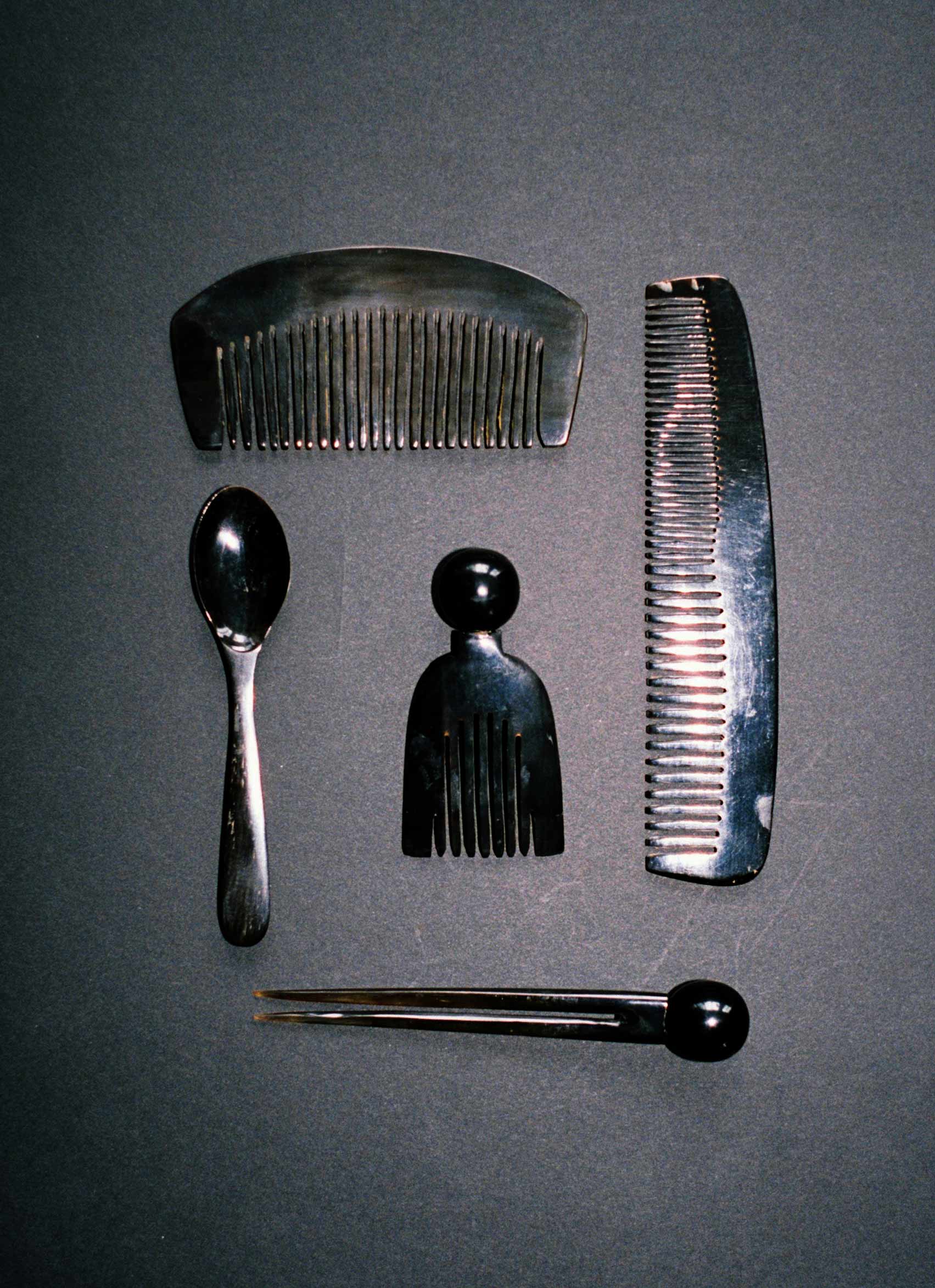
Thôi Nôi is a Vietnamese coming-of-age ritual where a child is guided to choose objects that symbolically hint at their future path. In In Their Hands, I guide collaborators to choose intuitively, based on their own discipline, instincts, and what naturally draws them in. I also offer them a glimpse into some of the crafts I have witnessed in Vietnam. From there, they develop an object that genuinely connects to them and speaks to their personal narrative.
In your first collaboration with Caroline Issa, what became the focus of your work together?
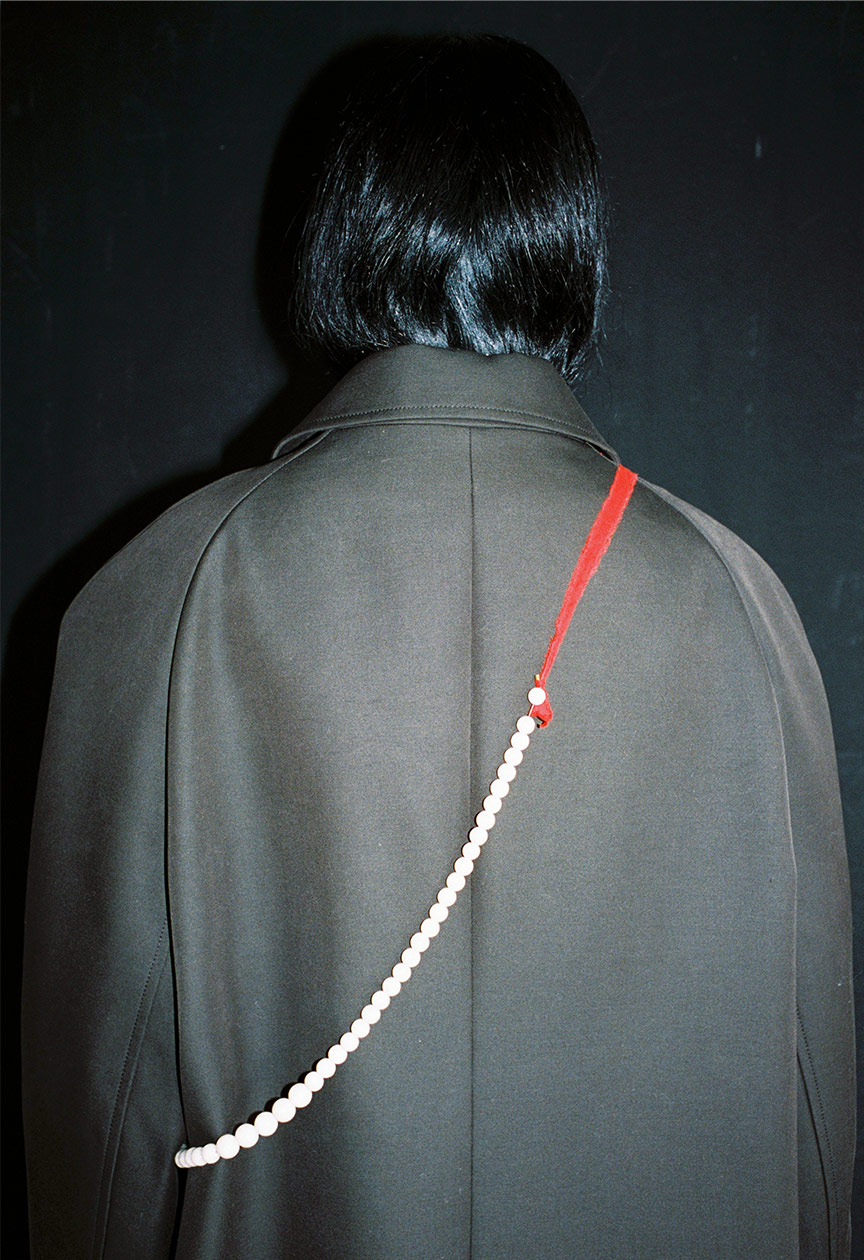
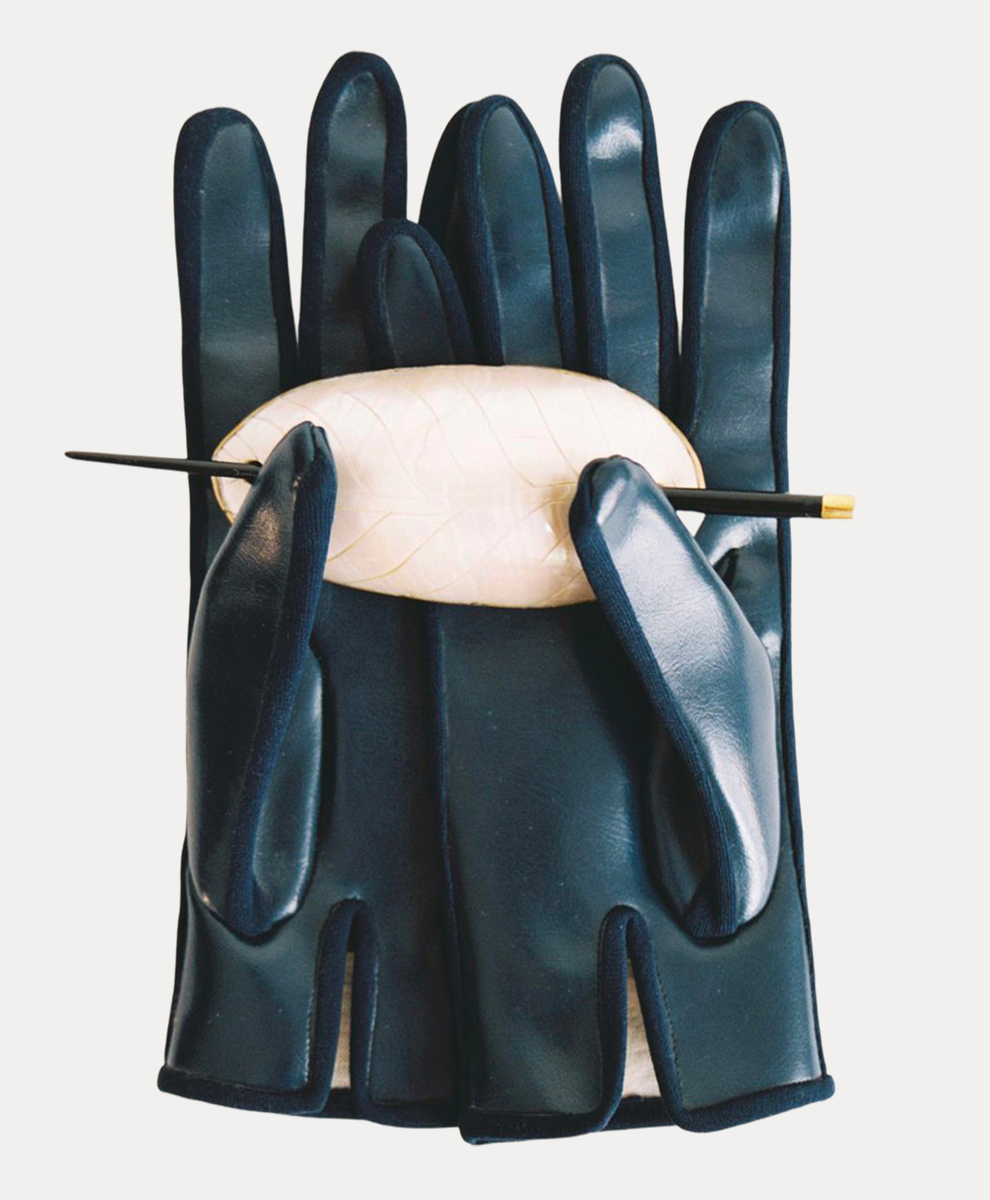
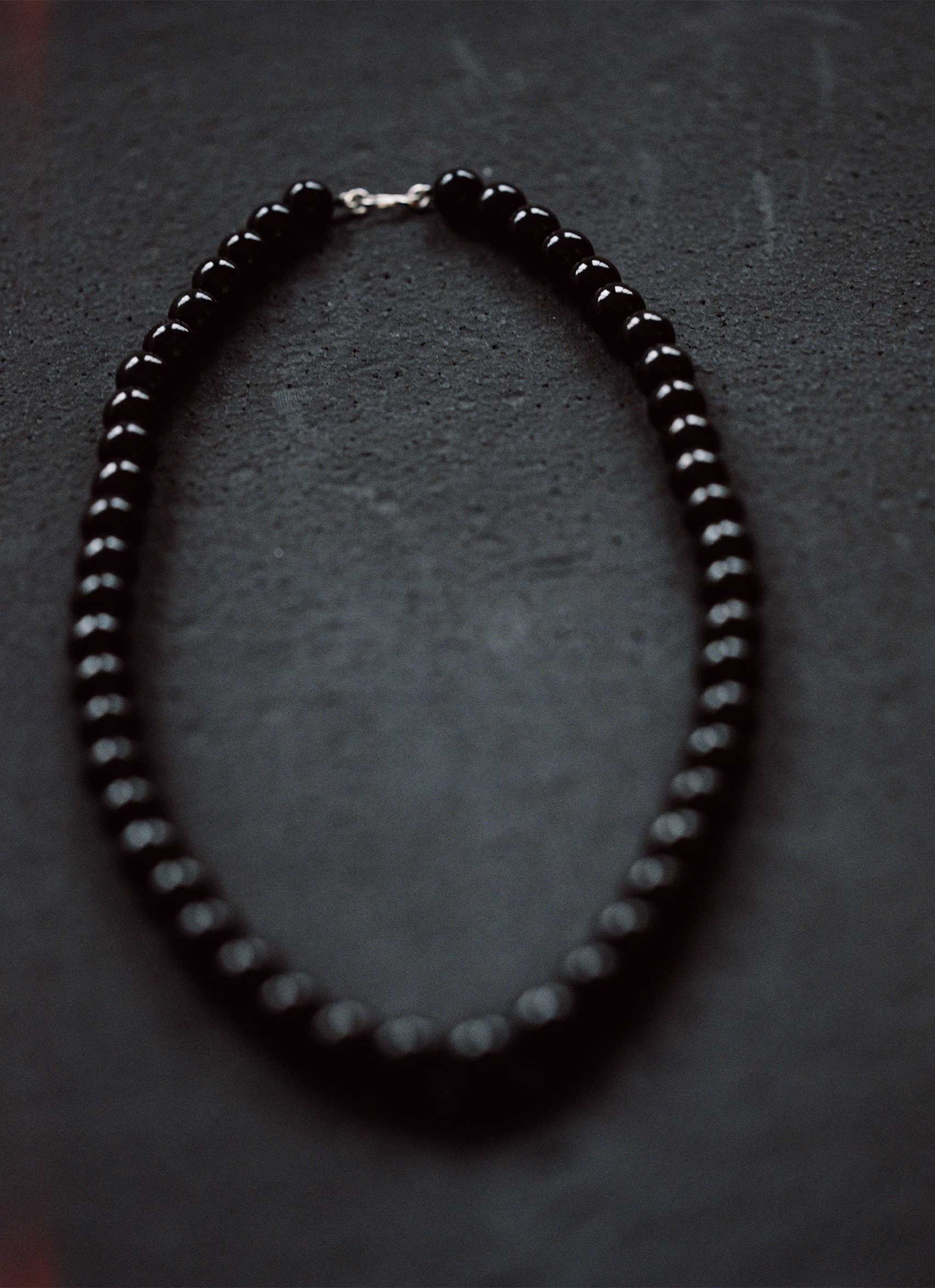
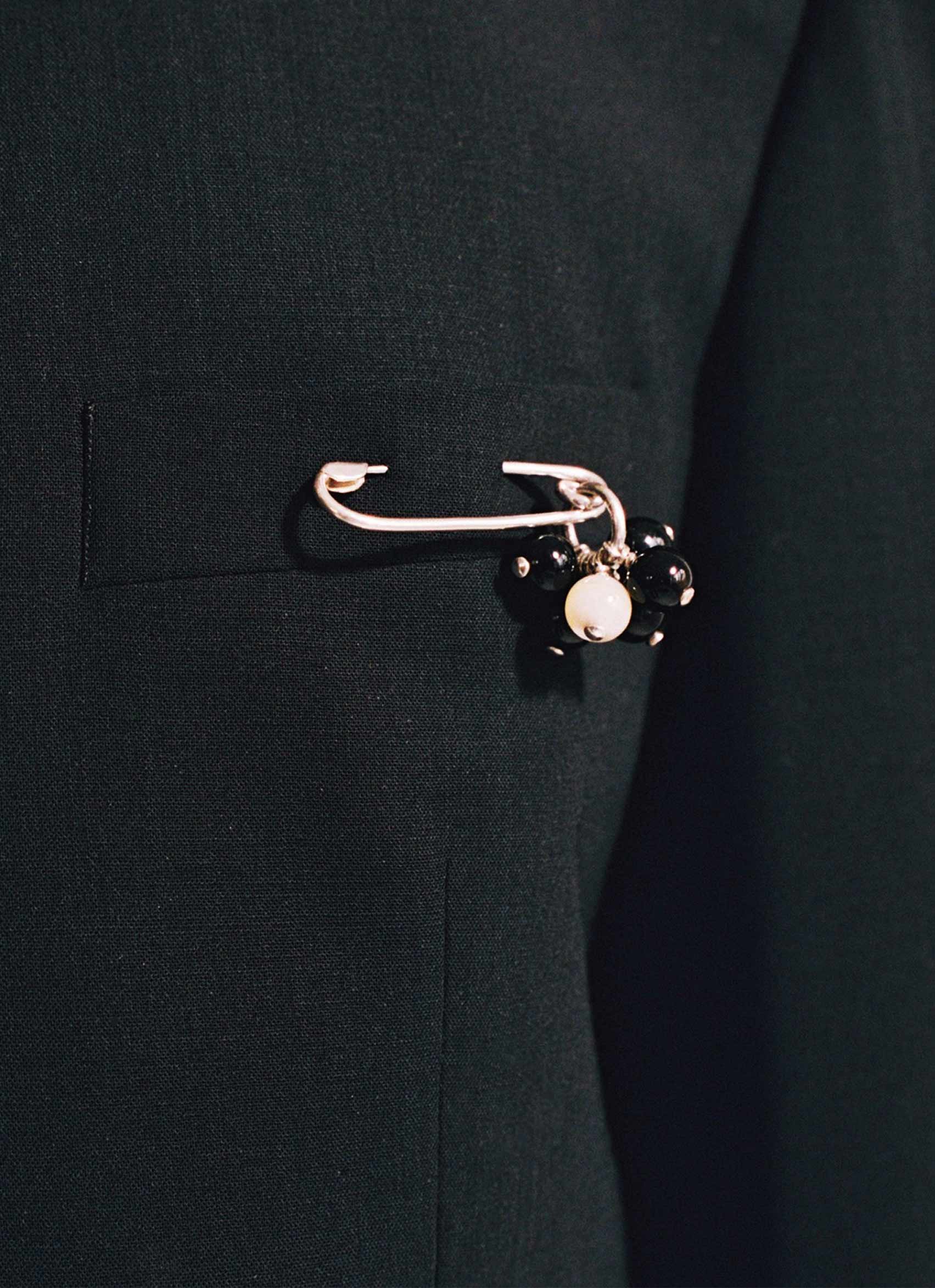
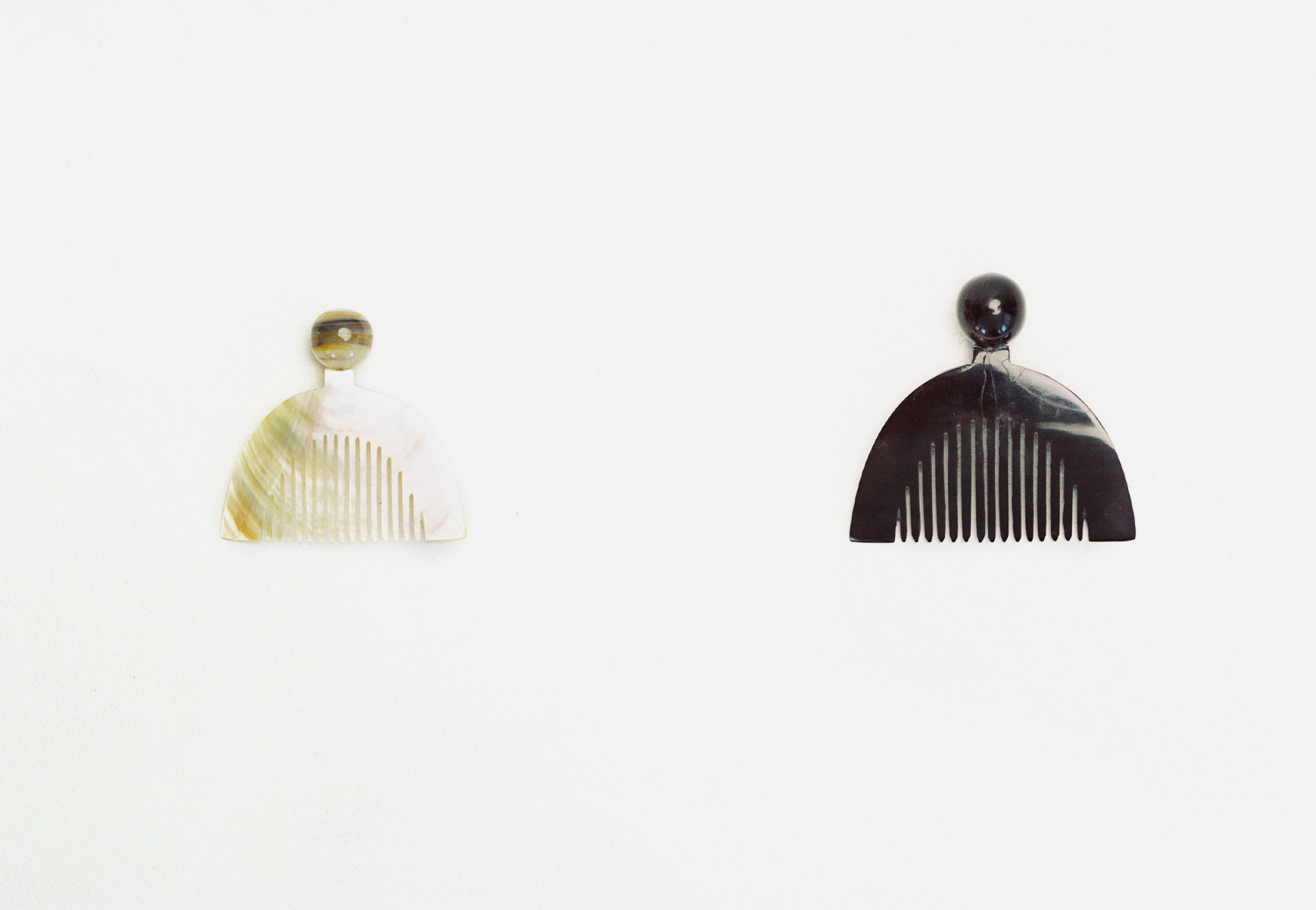
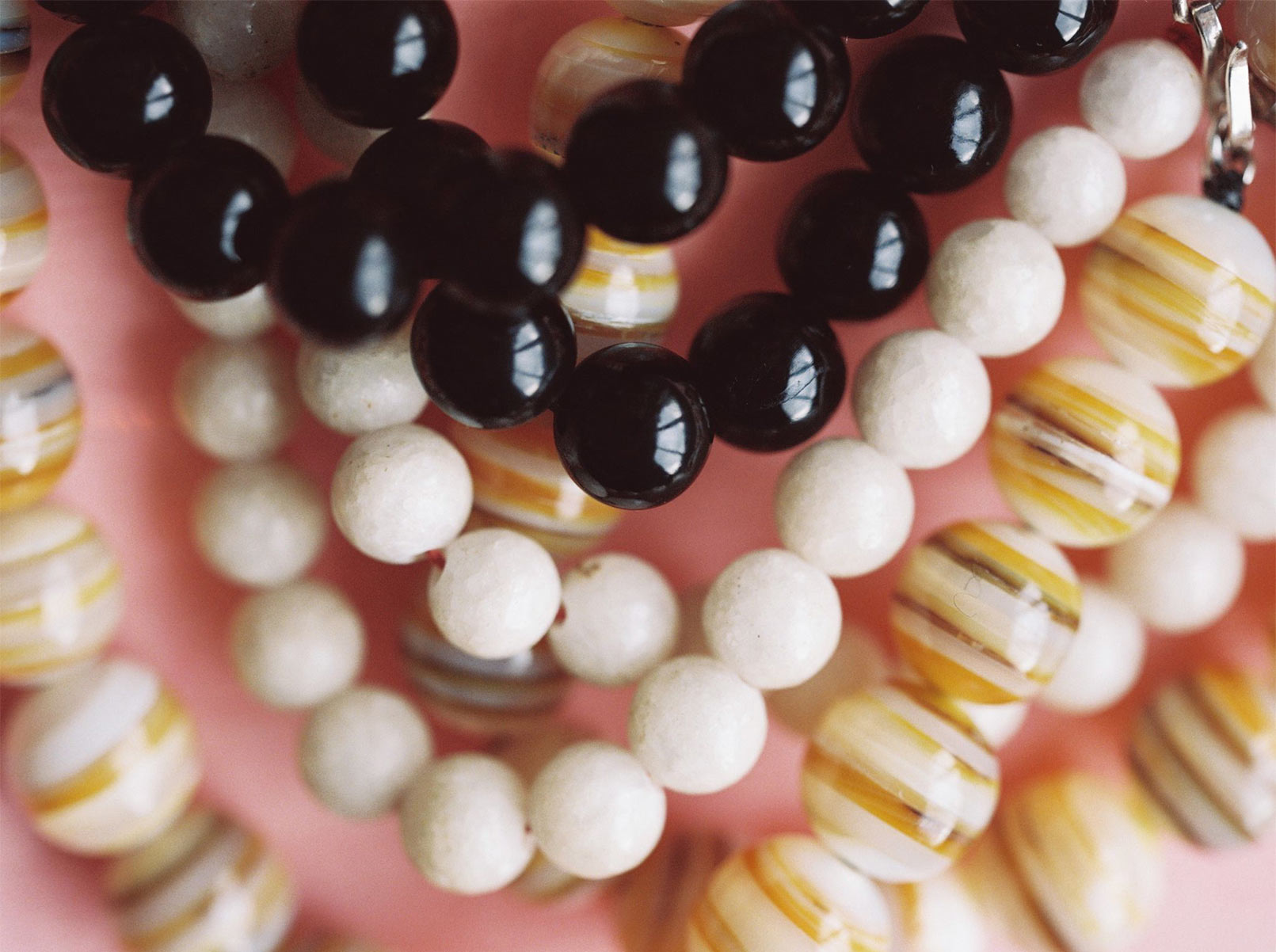
The collaboration with Caroline Issa centered around the safety pin as a symbol. We worked with horn beads and a single shell bead, each carrying meaning around protection, restraint, and quiet strength. The object reflects both function and symbolism, something understated yet deeply considered.
You also organize retreats, with one upcoming in March. What do you hope these experiences offer guests?
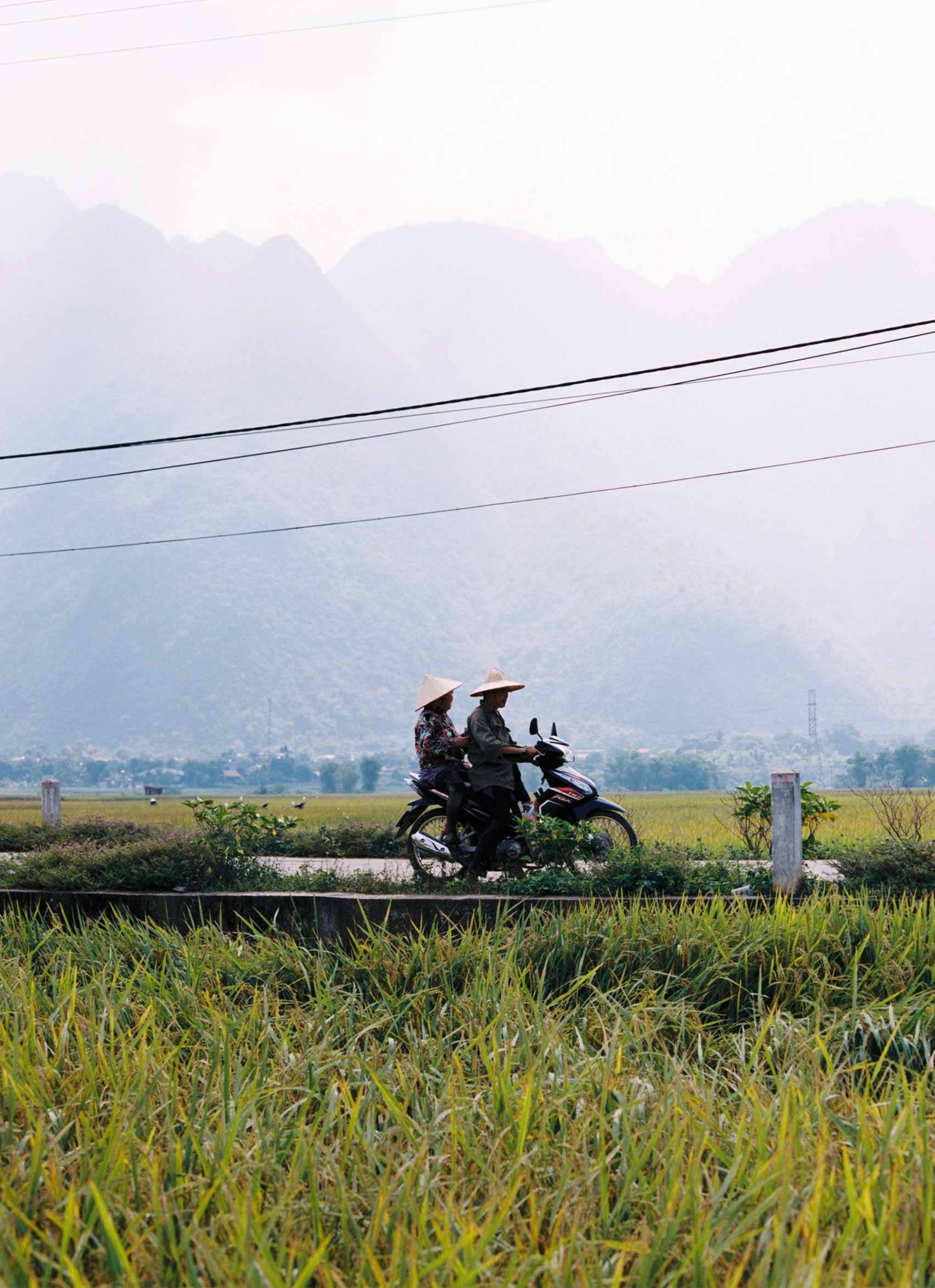
The upcoming retreat is a six day experience in Vietnam, taking place from March 9 to 14. It is another way for me to directly support the communities I work with. A second retreat will take place from September 21 to 26. These experiences are about slowing down, building understanding, and creating meaningful exchange rather than passive observation.
Given how central collaboration is to your work, what surprised you most in the process?
What surprised me most is how much collaboration requires unlearning control. I learned to listen more, to trust intuition, and to allow space for other perspectives. True collaboration is less about directing and more about holding space.
Has starting TextileSeekers changed how you live day to day, as much as how you work?
Yes, completely. TextileSeekers has reshaped my daily rhythm. I move more slowly, travel with more intention, and think more carefully about what I consume and create. It has blurred the line between work and life in a way that feels aligned rather than exhausting.
Where can people find you?
You can find me through TextileSeekers at textileseekers.com and on Instagram at @textileseekers. Ongoing projects include In Their Hands collaborations, the Craft Fellowship Awards, and upcoming retreats. The work moves between countries and communities rather than living in one fixed physical space. “preserving textile knowledge is not only about heritage, but also about protection, dignity, and future livelihoods.”