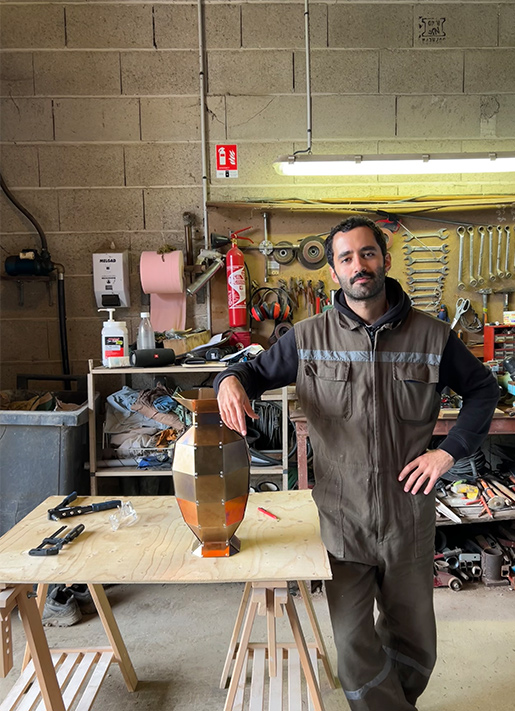
Theo Galliakis
What’s your name and where are you from / based?
My name is Theo Galliakis. I was born in Greece and I grew up on the island of Crete. Today I split my time between Greece and France. My studio is in the Champagne region, near Paris. This works well for me personally, as I am close to my partner, but also for my practice because it keeps me connected to this part of Europe’s design and art world. I go back to Greece often to be with my family and friends, to connect with the art community there and mostly to find inspiration.
Can you describe your practice in a few words?
I work across architecture and objects. My aim is always to reduce forms and materials to their essential expression. I focus on how a material looks and feels, how structure defines space, and how a simple form can create a strong presence. My Greek background (the islands, the craft traditions and the myths) often informs my choices.
Growing up in Crete, surrounded by history and mythology, what started your interest in design and making?
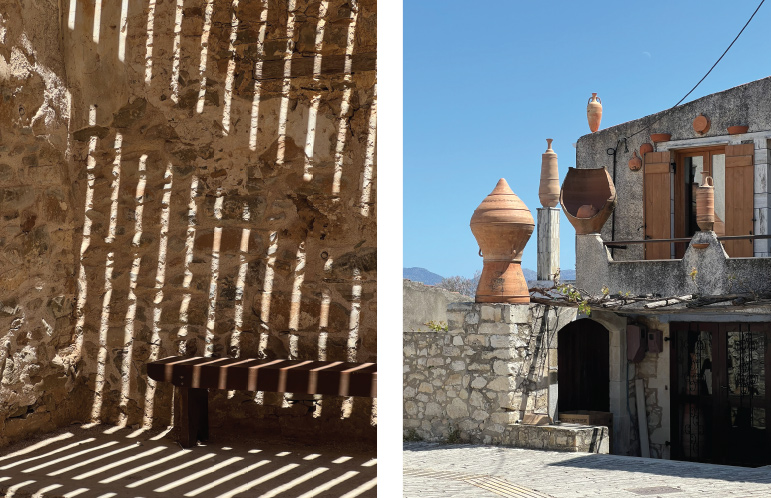
I grew up in Rethymno, a small but vibrant city where buildings from different centuries sit next to each other. There is Venetian, Ottoman and Greek architecture. The town is full of colour, texture and stories. I loved this richness, but it also made me want a calmer order, something you can always discover when you look closely at parts of this web. In my work I try to bring that calm: to take inspiration from the layers and the local crafts and myths of Crete (that you cannot really escape), but to answer them with clear shapes and simple materials.
How do the ideas of spirituality, material transformation and simplicity intersect in your work?
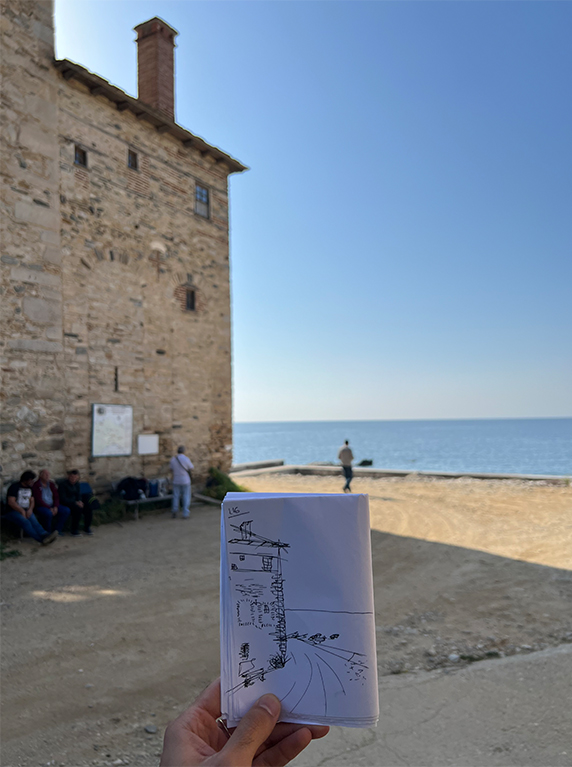
For me these ideas are one thing. Spirituality means the quiet feeling a space or object can create, a kind of inner calm or focus. I’m drawn to small island chapels and monasteries like the ones I visited in Mount Athos: stone or white walls, humble materials, careful assembly. Material transformation is the way I work with metal to reveal new qualities. Simplicity is the method: by removing ornament we make room for the material and the form to be read clearly. Together they let me make objects and spaces that feel like places for attention and rest.
Many of your pieces transform industrial metals with fire into “pretend to be gold” surfaces. What do you hope this process allows you to express?
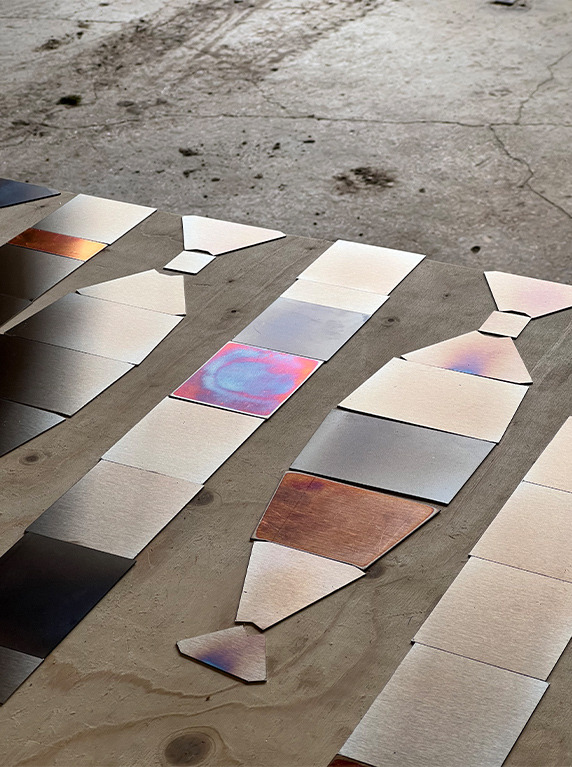
I often make surfaces that look golden because shine catches the eye, people are naturally drawn to light and dazzle. But the gold-like finish is not always real gold; often it sits on top of inox or other industrial metals. Those base metals are more ordinary and sometimes fragile: steel can rust, plates can oxidize. In some pieces the surface glows first, and later the underlying metal shows its own life – rust, marks, or a different colour. I like that sequence. It shows two truths at once: how quickly we notice shine, and how the material truth is slower and more honest. The contrast between surface and substrate is a way to talk about appearance, value and time.
How do you question the value and authenticity of ancient forms of authority in The Throne Room?
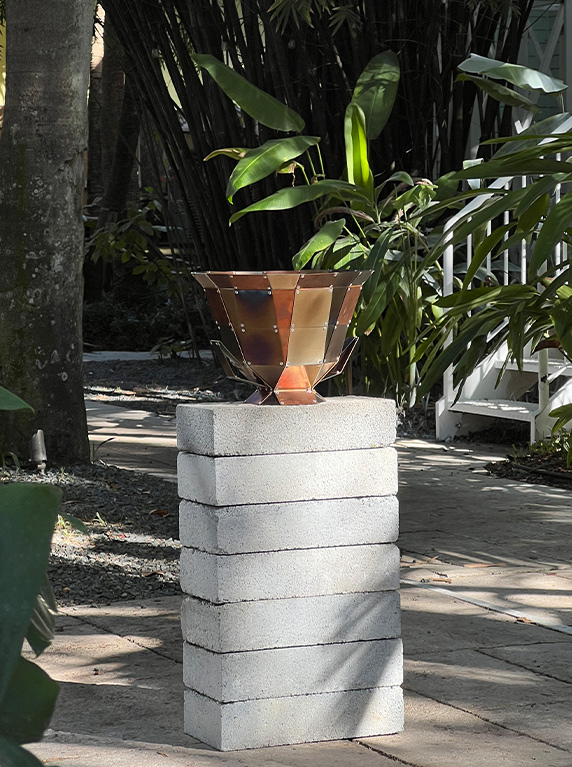
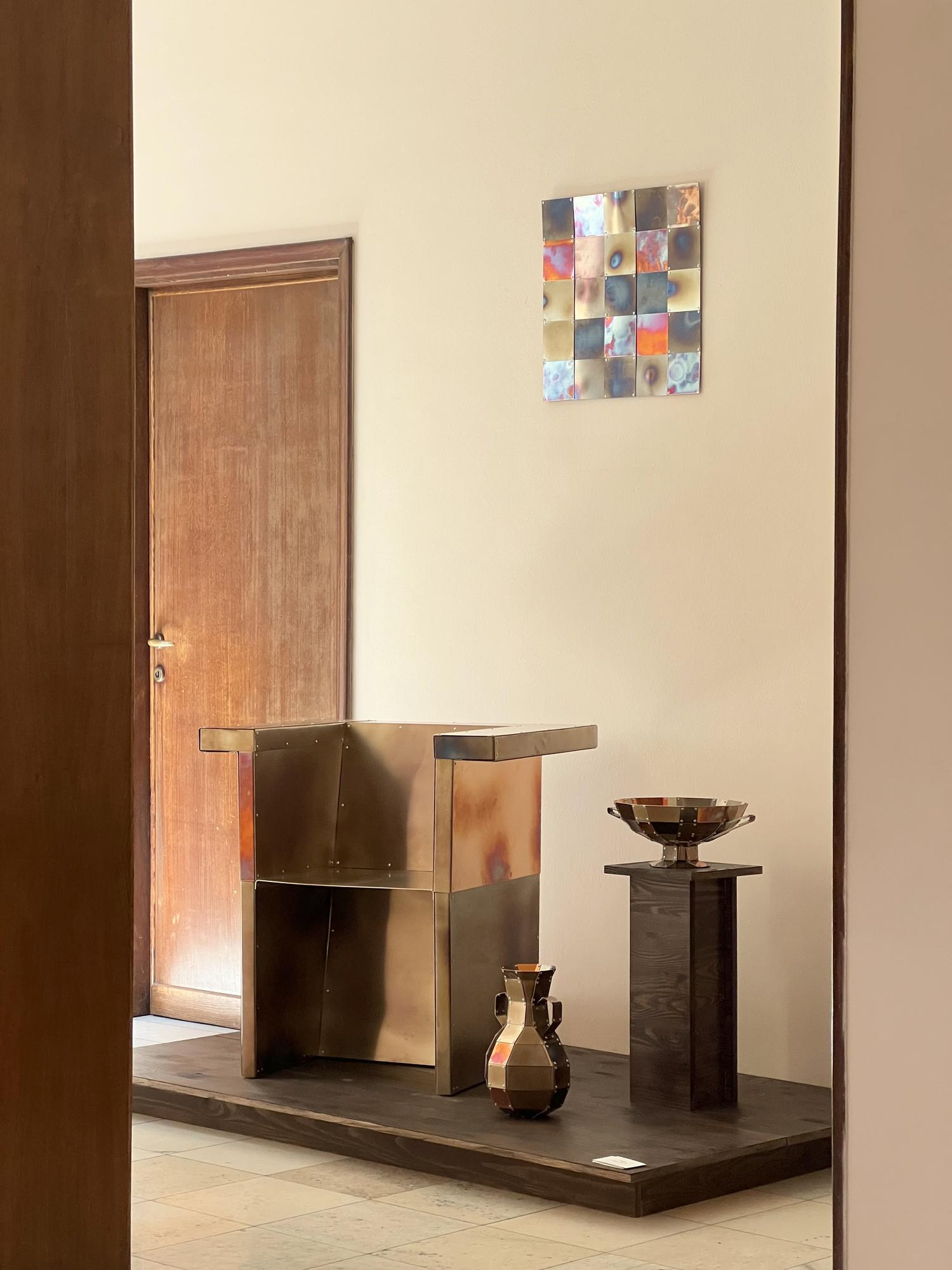
In The Throne Room I use forms that we recognise as powerful: thrones, insignias and tall vessels. But I remove the historic ornament that usually makes them look sacred or official. I use simple, less expensive metals and finishes that imitate gold. Because the materials are modest and because they will change with time, those forms lose their usual claim to authority. I still wonder whether authority is real because of the form, or because of the shiny finish, or because people believe in it. The pieces are not an answer but the question.
Amphoras traditionally carried goods like oil and wine. What does it mean to reimagine them from a contemporary perspective?
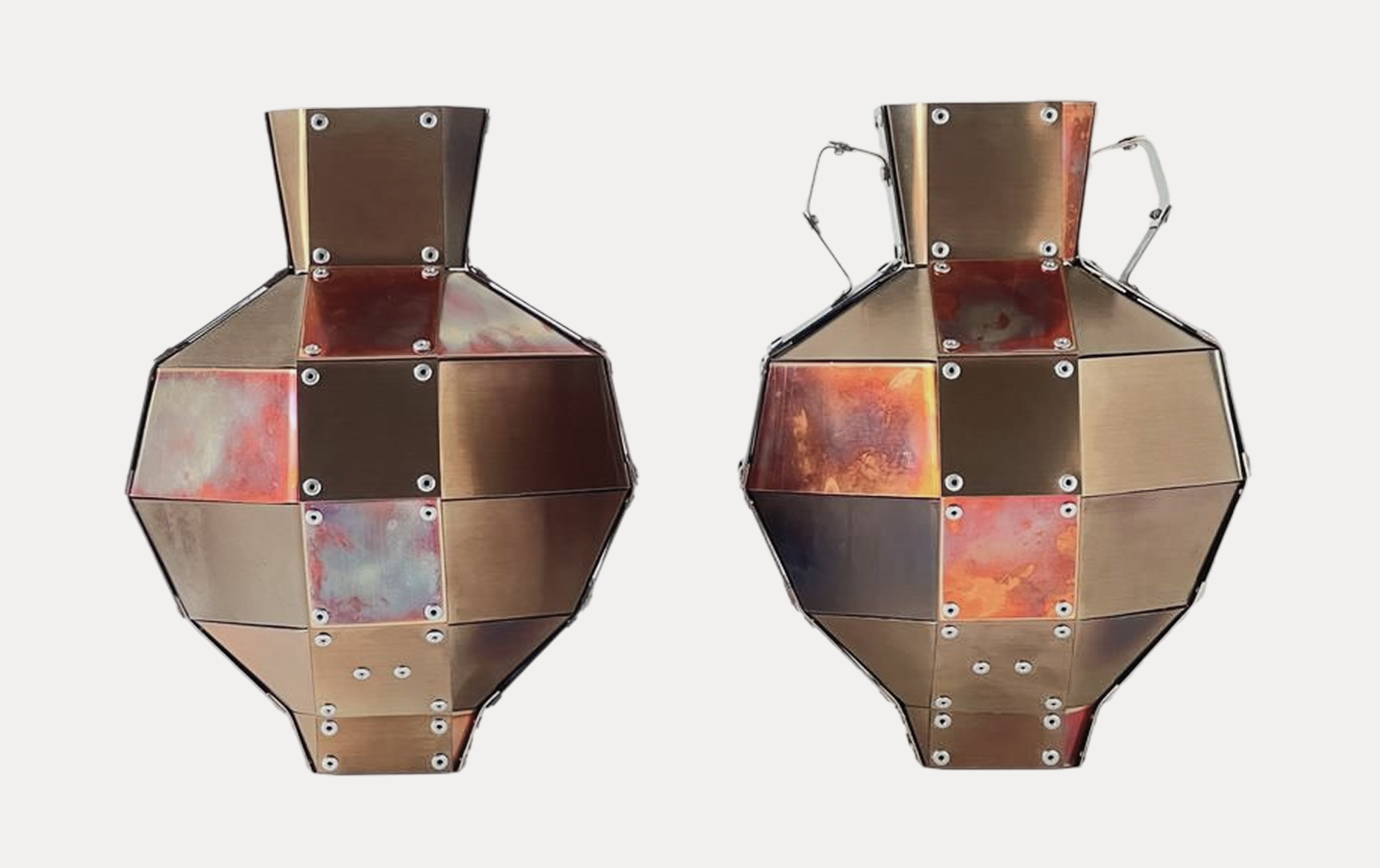
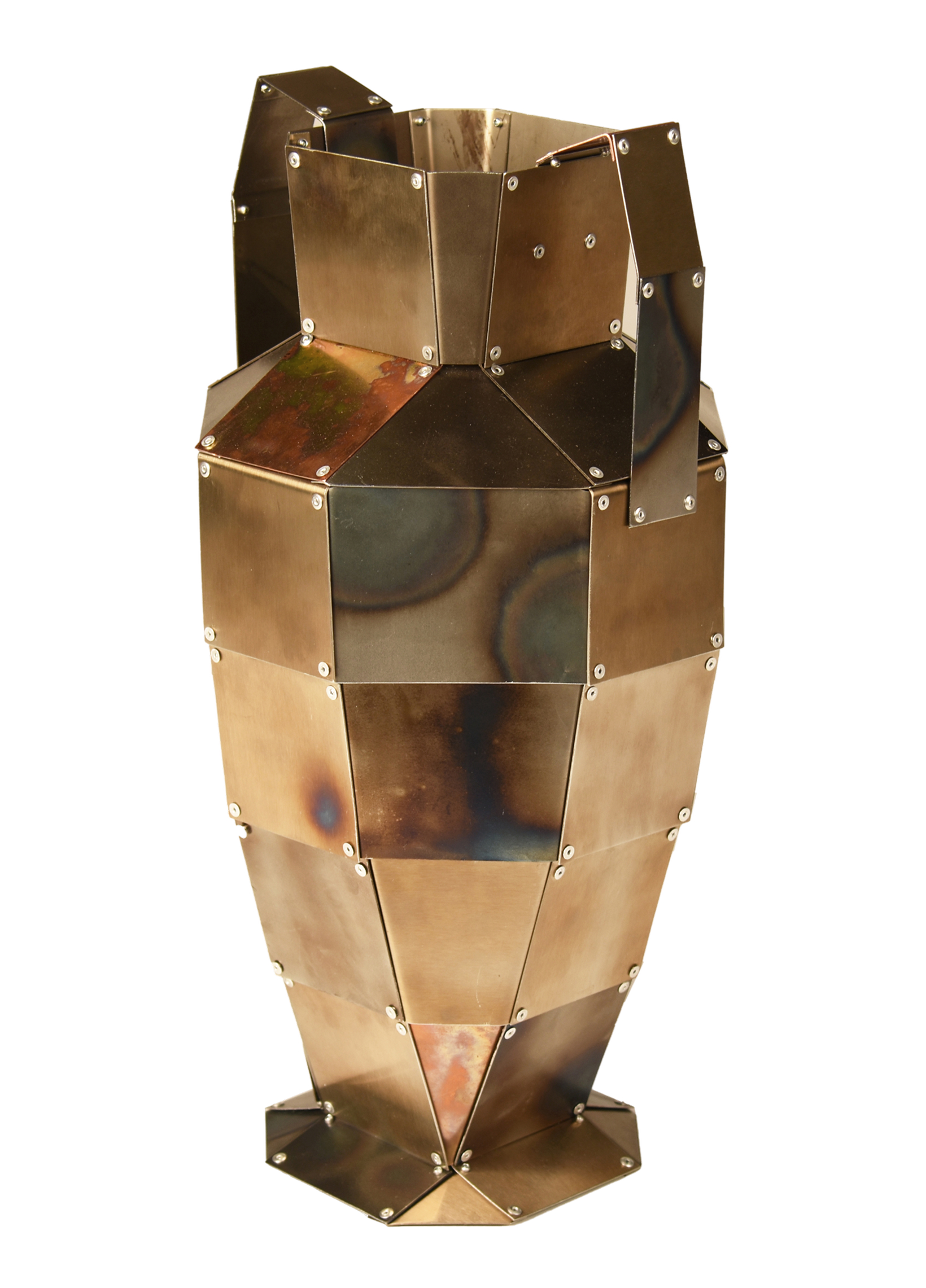
Amphoras were everyday objects, used mostly for oil and wine. However sometimes they were gold, made as offerings by humans to gods in order to ask for favours or simply to show their admiration. Today I keep the basic shape but change the material and finish. A modern amphora can still look familiar, but its meaning shifts depending on what it is made of and where it sits. Reimagining amphoras is a way to show how form can carry different or actually similar values in different times.
Why choose the bench, a simple communal form, for Bench For A Church?
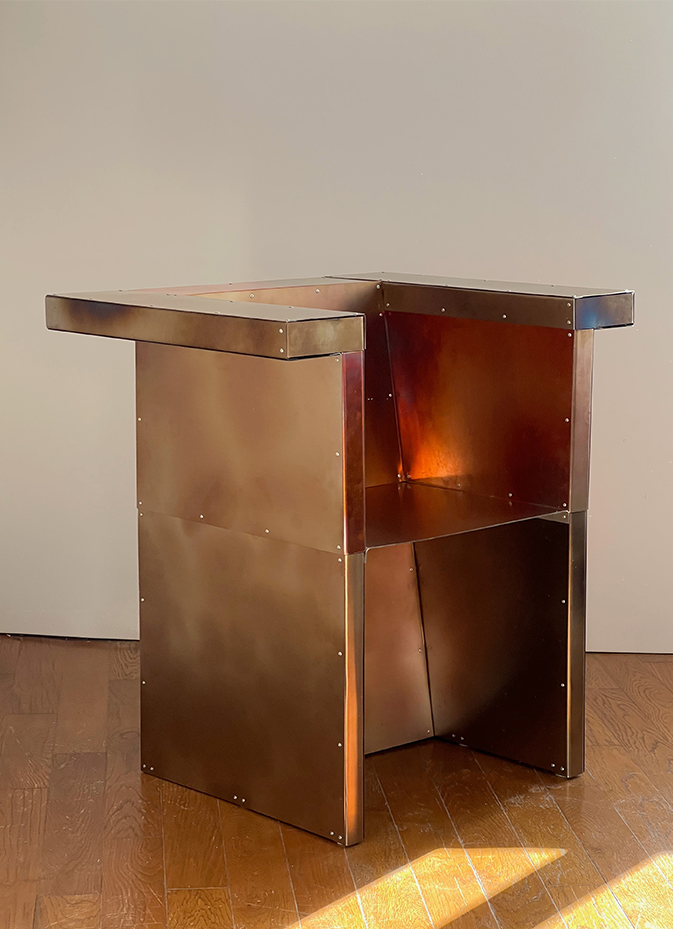
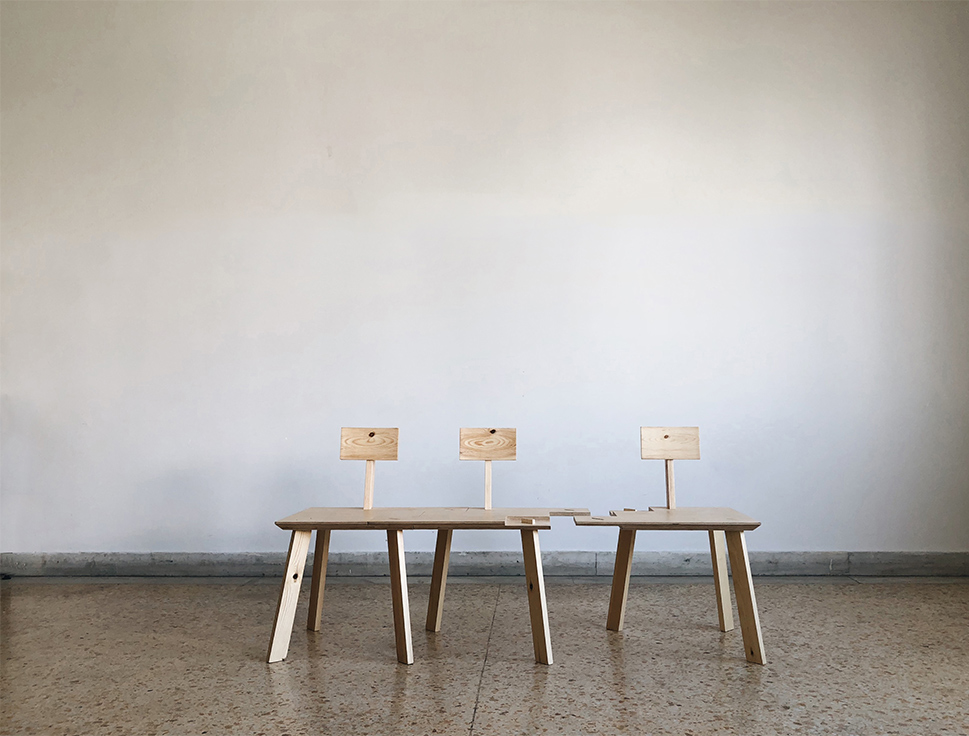
The bench is a basic piece of furniture: it gathers people, it supports ritual but most importantly it stages life like the seats in a theatre. For Bench For A Church I removed decorations and returned the bench to a simple, essential form. Without ornament it becomes a place for presence and shared experience. The bench is standing when two seats or many are joined together; they can be in a chapel or any other space.
Outside of your practice, are there objects you find yourself drawn to or collecting?
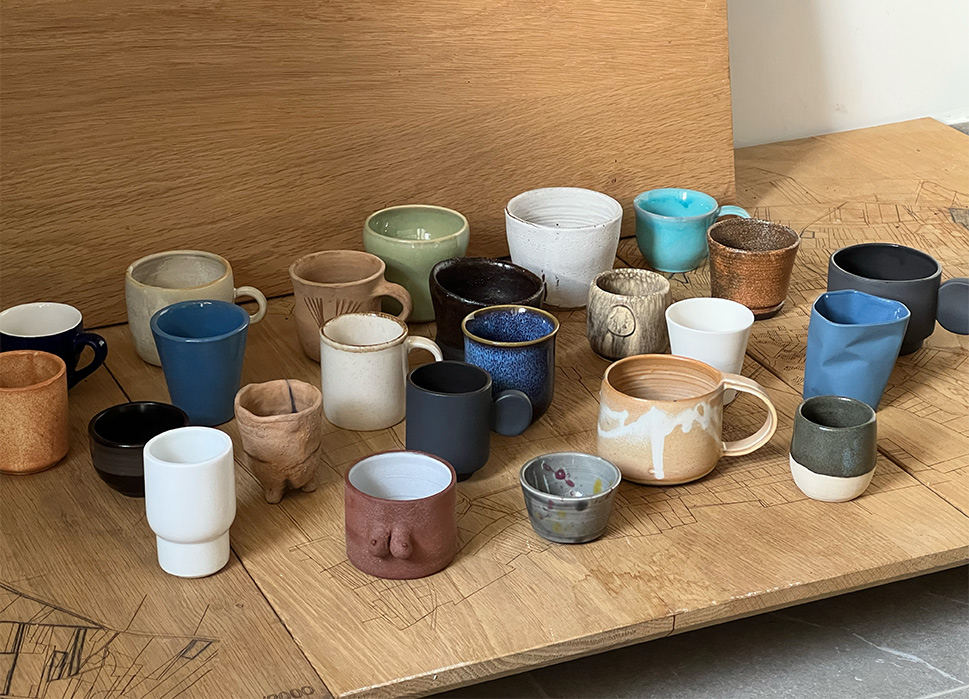
I don’t like having many objects around me but I do have my Achilles’ heel. I collect ceramic espresso cups. They are small, handmade objects and I can get to choose a different one every morning. I love coffee and I love the small ritual. My grandfather’s village in Crete, called Margarites, has a long pottery tradition, and every summer I bring back pieces mostly from this cute place called EA Ceramics but also from other local ceramists.
Where can people find you?
People can find my work on Instagram (@theogalliakis) and on my website (theogalliakis.com), where I post a journal. My studio in Champagne is open by appointment (La-Neuville-Aux-Larris, France).
I am working on a project that returns to simple geometry and clear forms, an ode to simple sketches I did before and during my studies in architecture. It will be a series of sculptures that are direct and honest: what you see is what you get. I also look forward to publishing some interiors that are almost finished, including a winery vat room that I am super excited for.