UMUM
What’s your name and where are you from/based?
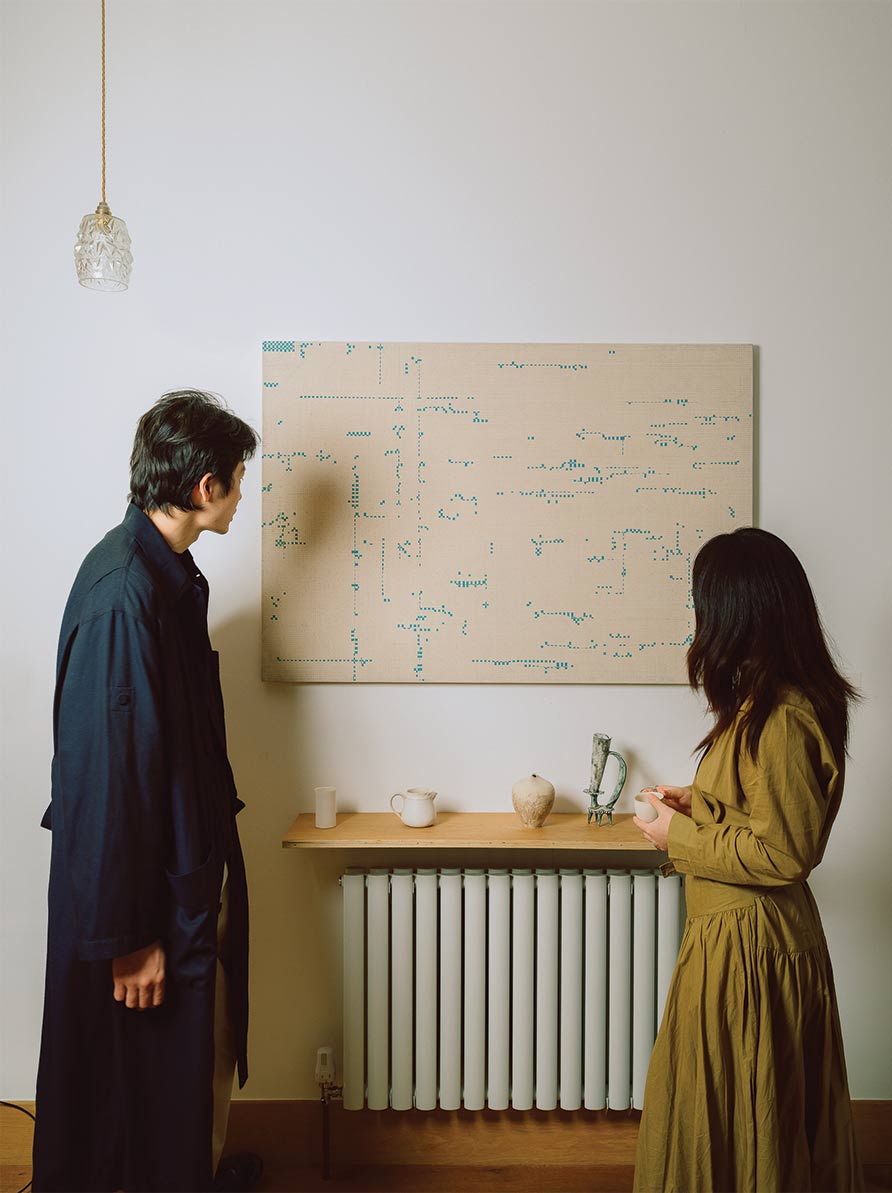
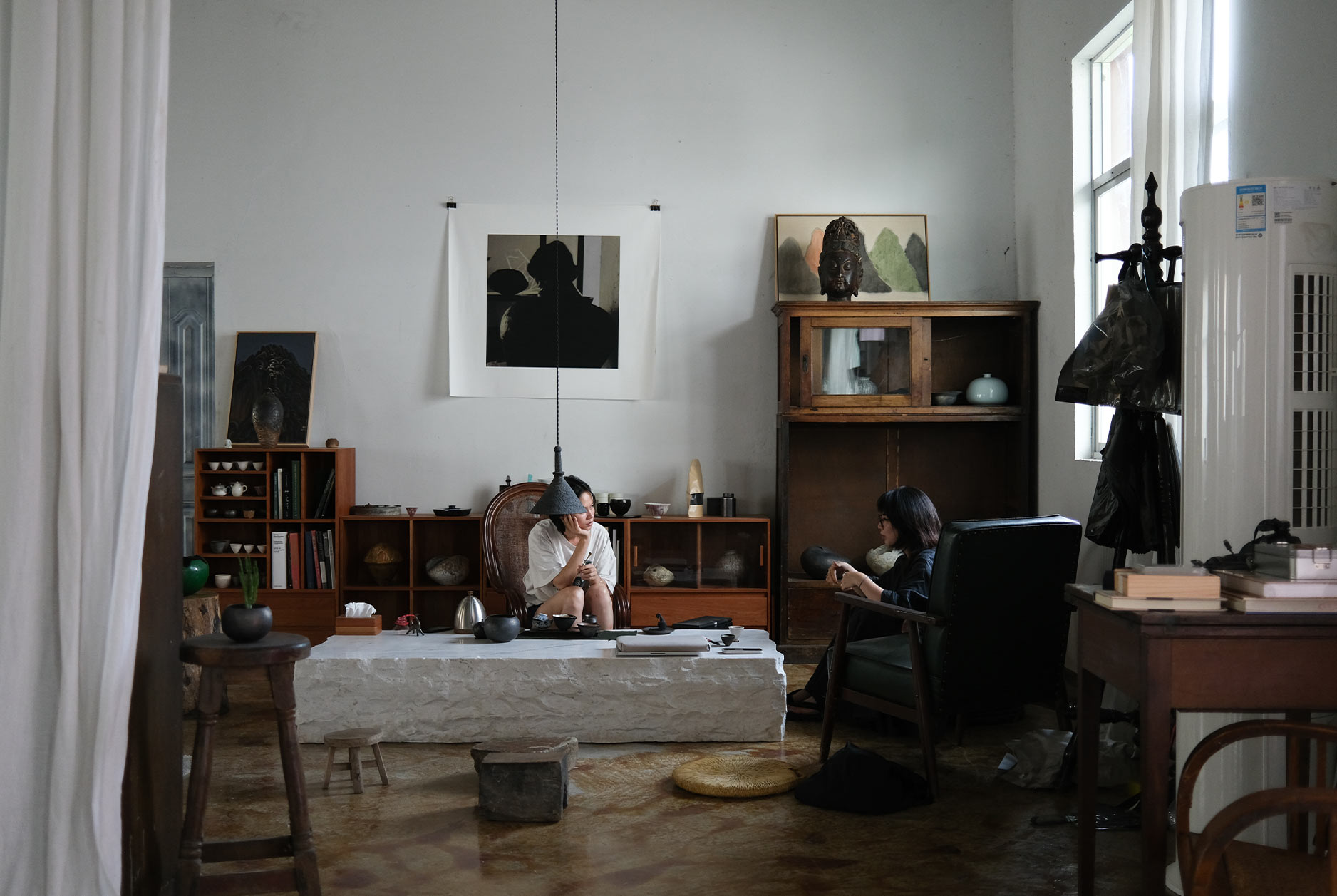
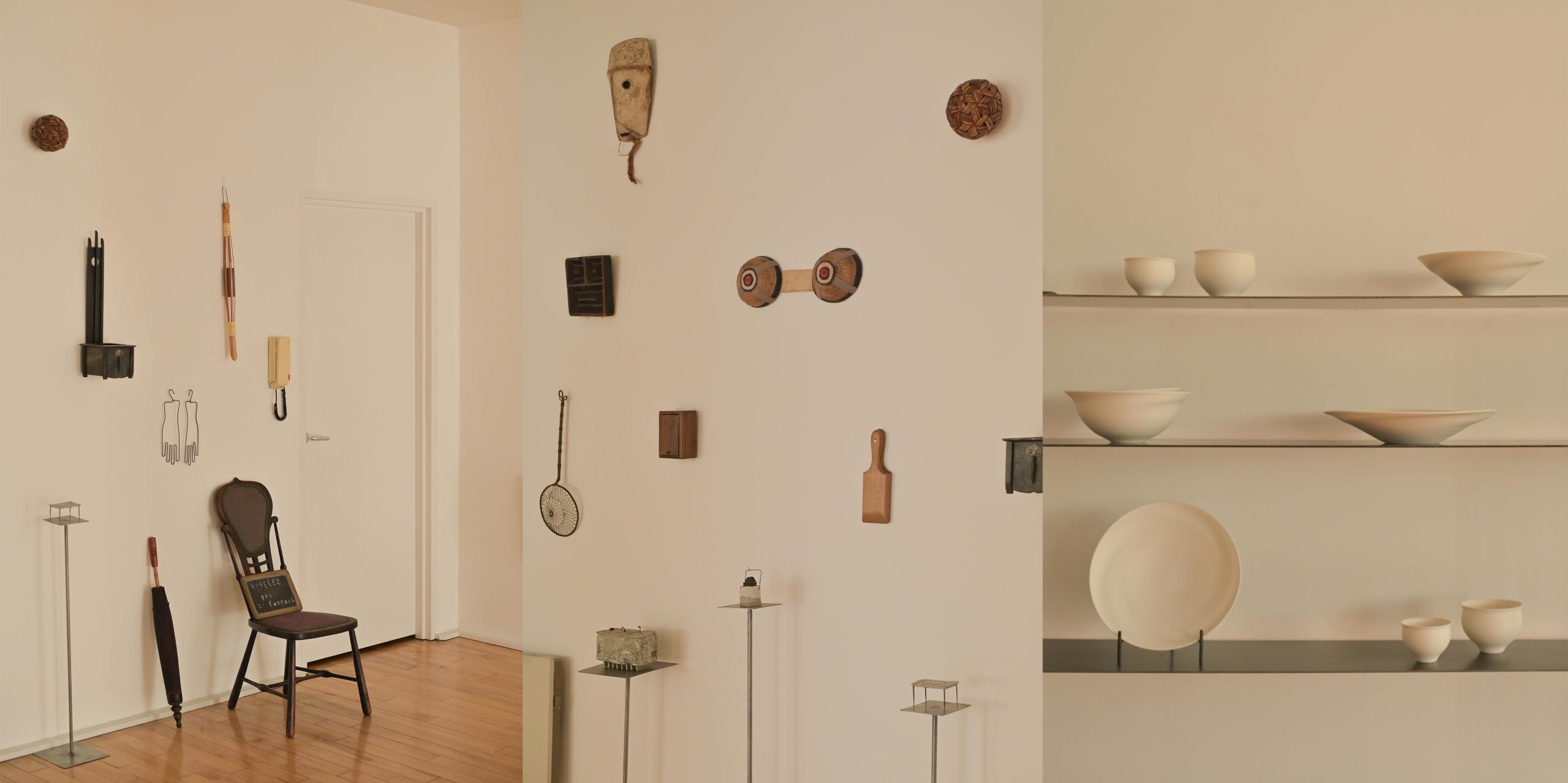
We are Shutong Fan and Dan Huang, the founders of UMUM. Originally from China, we are now based in Kensal Green, London. Our studio made its debut last year with a private showroom opening for close friends, invited guests, and collaborators, where we showcased the work and stories of 15 selected craft artists. In January, we officially opened to the public by appointment only, offering a more intimate, behind-the-scenes look at the stories behind each object we represent.
Can you describe your practice in a few words?
umum is a studio for objects, craft, regional art & design and the stories behind them.
What inspired you to start? And what does UMUM mean?
Our backgrounds are in architecture (Shutong) and curating (Dan), and craft has always been a shared interest within our respective fields. In the winter of 2020, after a long lockdown in China, we found ourselves craving a more tangible connection to materials, people, and nature—rather than the virtual world we had been forced into. That led us to a three-month residency in a pottery studio in Fujiwan, a tea mountain village in Hangzhou. We didn’t go there to become craftspeople, but to better understand material through direct engagement. In that process, we encountered an extraordinary community of makers—ceramists, glassmakers, carpenters, silversmiths—and with every return, we meet more. The idea of creating something to support and share their work had been quietly growing in us for years. We were also deeply inspired by places like Kettle’s Yard and by the spirit of small, independent initiatives like Momosan Shop, whose closure was another turning point. It felt like the right moment to start something of our own. As for the name “umum”—it doesn’t carry a deep meaning. It’s actually an onomatopoeic sound, “ahm ahm,” that Dan used to make after a satisfying meal. The name came up casually during a daydreaming conversation between us years ago, when we first imagined opening a craft gallery together.
“Umum” refers to a living dialogue, how do you define that dialogue, and who is part of it?
For us, dialogue means more than just spoken conversation. At UMUM, it happens through objects. Simply by looking, touching, using, or even playing with an object, a quiet exchange begins between the maker and the viewer—even if they’ve never met. Umum acts as a bridge: between makers and us, between us and audiences around the world, between objects and their users, between cultures, and between past and present. It’s a living, evolving conversation—unfolding across time, space, and material.
How do you see your role?
We see our role as multifaceted and always evolving. UMUM began with us as collectors—driven by curiosity and admiration for the makers and their work. Over time, we’ve grown into curators, collaborators, and translators: selecting, researching, archiving, and presenting objects in ways that invite deeper engagement.
We see umum more than a platform for showcasing craft. It’s a living space, both physical and conceptual where objects can be seen, touched, and contemplated. We aim to give craft its own voice, not as something secondary, but as a form of cultural expression that stands on equal ground with art and design. In that sense, umum becomes a bridge between disciplines, cultures, and people.
It’s also a space for experimentation, a place where ideas can be cooked and tested, where philosophies of making and living emerge through the material. We hope people feel they can pause here, stay a while, and enter into quiet dialogue with the objects and the stories they carry.
How do you build a relationship with the artisans you collaborate with? What
does a typical craft-hunting trip look like?
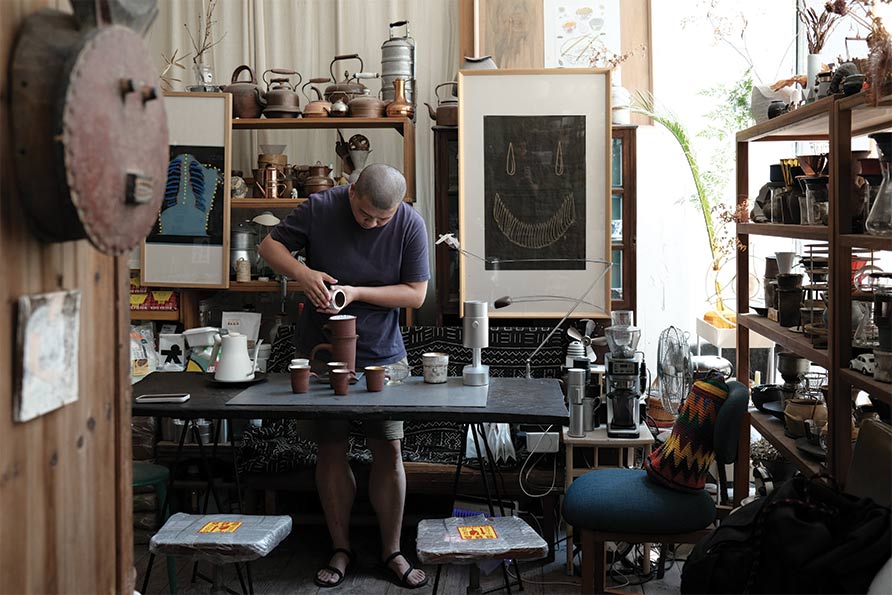
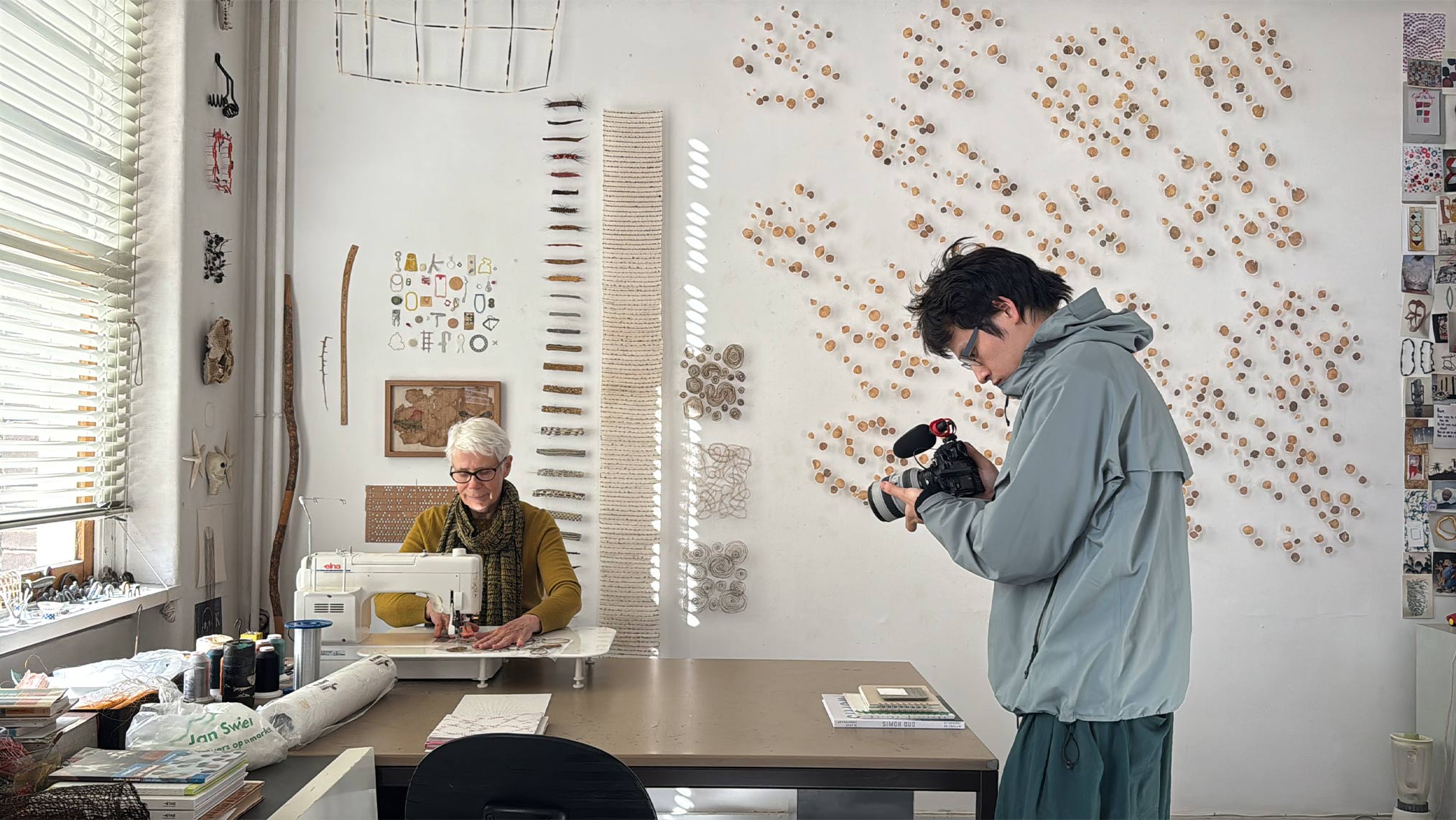
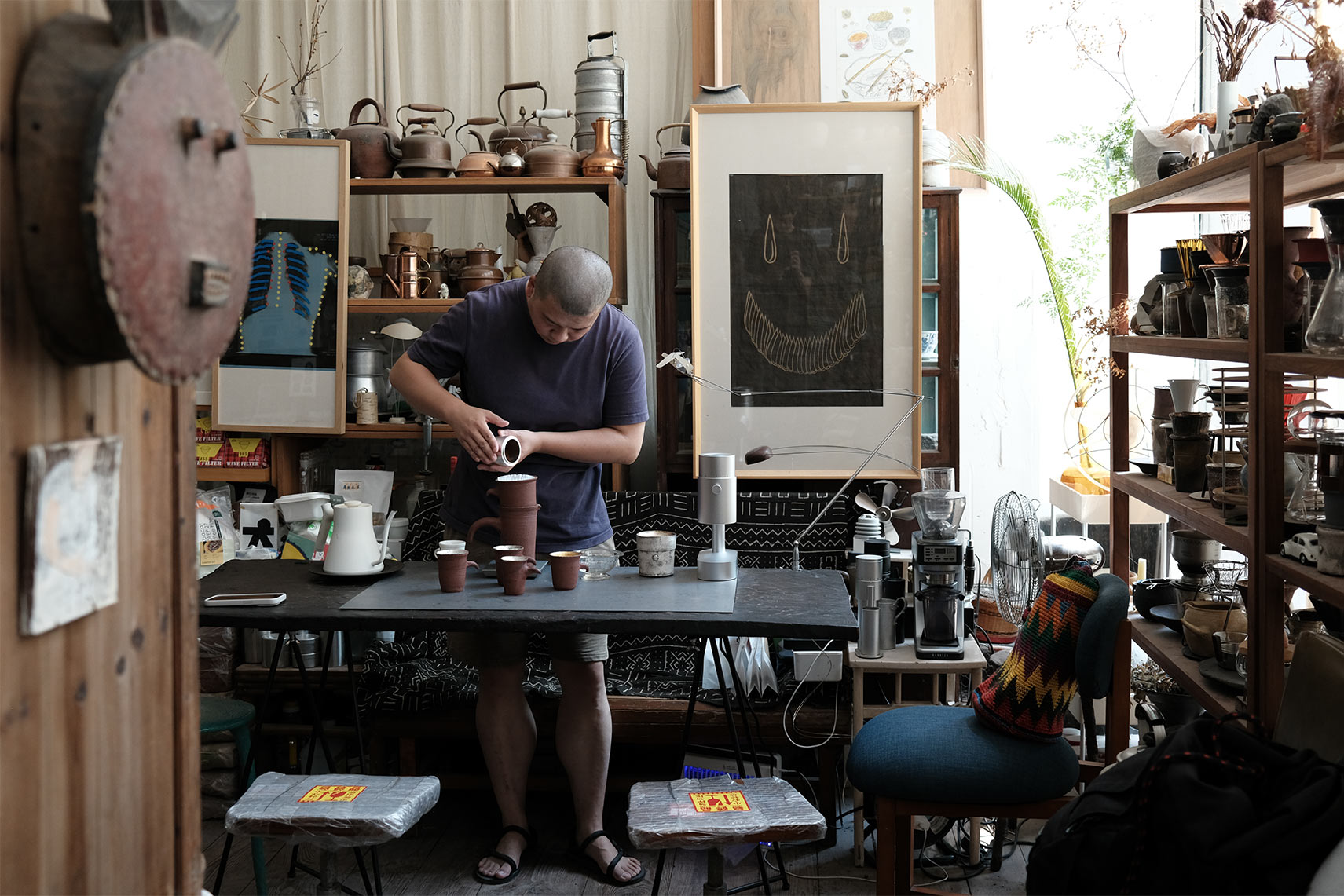
Meeting craftspeople isn’t so different from meeting anyone else—it starts with a conversation. We visit them in person, spend time together, and gradually build trust. Before anything else, we make the effort to understand who they are, how they live, and the environment that shapes their work. It’s important to see the world their objects come from—the spaces, rhythms, and stories behind the making. In the beginning, we were students ourselves. We both studied under Sun Yue, an artist known for her clay coiling sculptures. The village where she lives feels almost utopian—close-knit and full of creative energy. Nestled in the tea mountains where Long Jing tea is grown, and not far from the Chinese Academy of Art, the area has drawn many artists to settle there. One relationship naturally leads to another. At first, our visits were casual. We’d hang around studios, help with loading and unloading kilns, share meals, go to karaoke. One time, we even went night fishing in a pond with the silversmith Li Qun. It was all very organic. Many craftspeople in China live simple, grounded lives and value intentionality in both their work and their way of being. Living alongside them even briefly, helps us build real, lasting relationships. When they heard we were starting umum in the UK, some makers dropped everything to take us to nearby villages and introduce us to other hidden artisans. Once you earn the trust of one, their recommendations open new
doors and are almost never wrong. Meeting new makers is like making new friends: we chat, laugh, play, hang out, eat amazing food, maybe talk about business for five minutes. It’s that simple, and that human.
How do you find your artisans? Or do they find you?
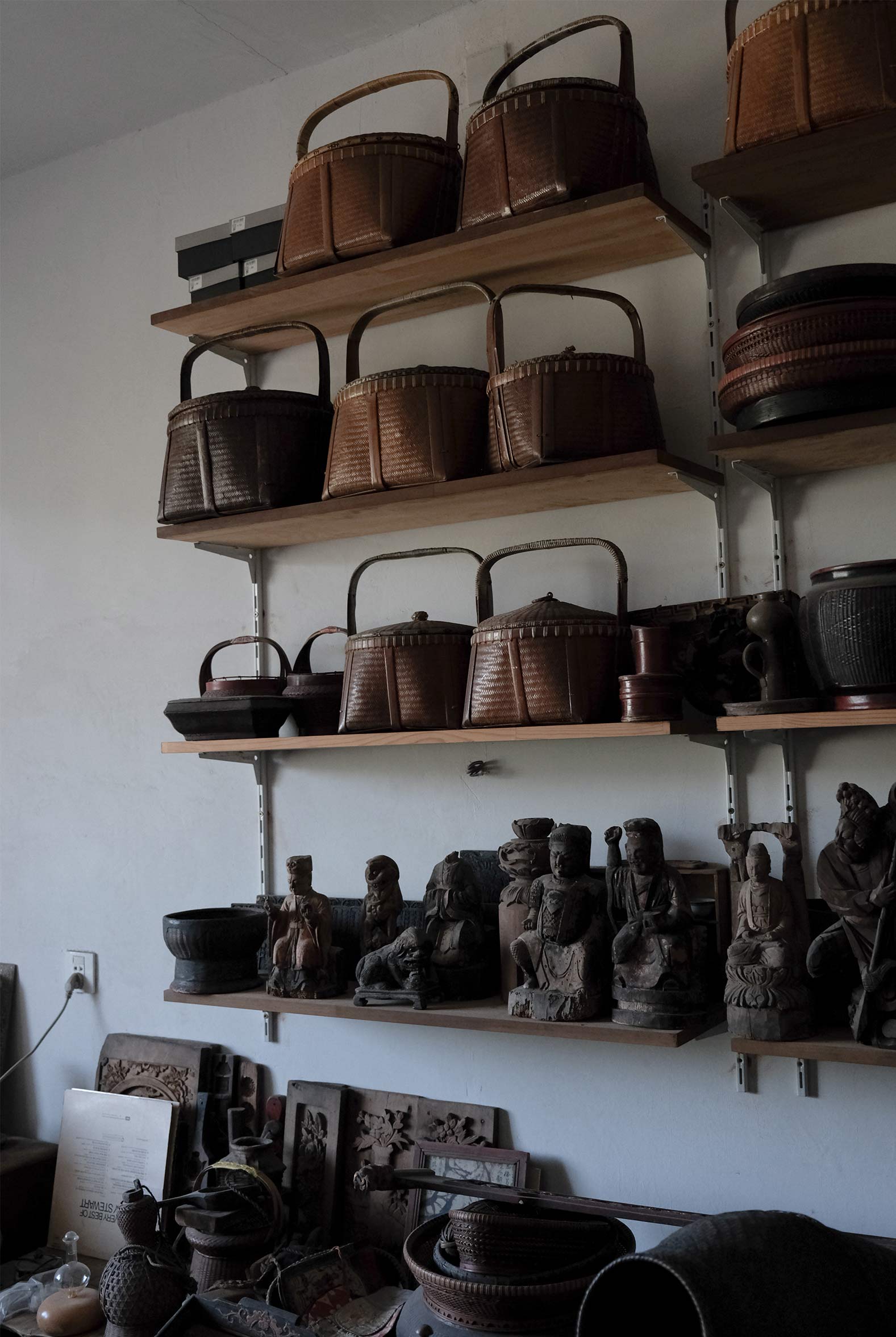
Most of the artisans we work with come through personal recommendations from other makers. Occasionally, we discover new talent through social media, and when that happens, we reach out to arrange a studio visit in person.
Lately, we’ve been honored to have more makers approach us directly through social media as well. But no matter how the connection starts, we always follow the same principle: we visit each artisan in their own
space before starting any collaboration. It’s part of umum’s slow-working philosophy, building real relationships takes time, presence, and shared experience.
Do you think handmade objects still hold the power to slow people down, especially in fast-paced cities like London?
ST:
I don’t think it’s always a direct cause-and-effect. Some handmade objects are rushed, while some machine-made items are so well-designed that they inspire slowness and care—like Yanagi’s kettle or Zhou Jiehao’s wood-turned pieces. A true sense of tranquility in an object is rare and difficult to achieve. It’s not just about how something is made, but the intention and presence it carries.
DH:
When I think back to how I first entered the world of craft, it wasn’t through grand ideas—it was through small, quiet moments. I remember spending time in a local craft shop, and each time the owner brewed tea and served it with care, I felt a deep respect for life, for the objects in use, and for the makers behind them. I was amazed, not just by the beauty of the teaware, but by how long I found myself simply looking at it, being present with it. I hadn’t stared at an object like that in ages, and I hadn’t tasted tea so calmly and fully. That experience slowed me down. I believe many of our visitors at umum feel the same. We often hear feedback that the space has a kind of magic to hold people stay longer than they expect. As I began collecting these objects myself, I also began treating them with more care. It felt like respecting the object, the maker, and life itself. Over time, I found myself naturally moving toward a more intentional way of living, just like the makers we work with.
Your London space feels deeply considered, more like a sanctuary than a shop. How did you approach designing it, and what kind of experience did you want visitors to have?
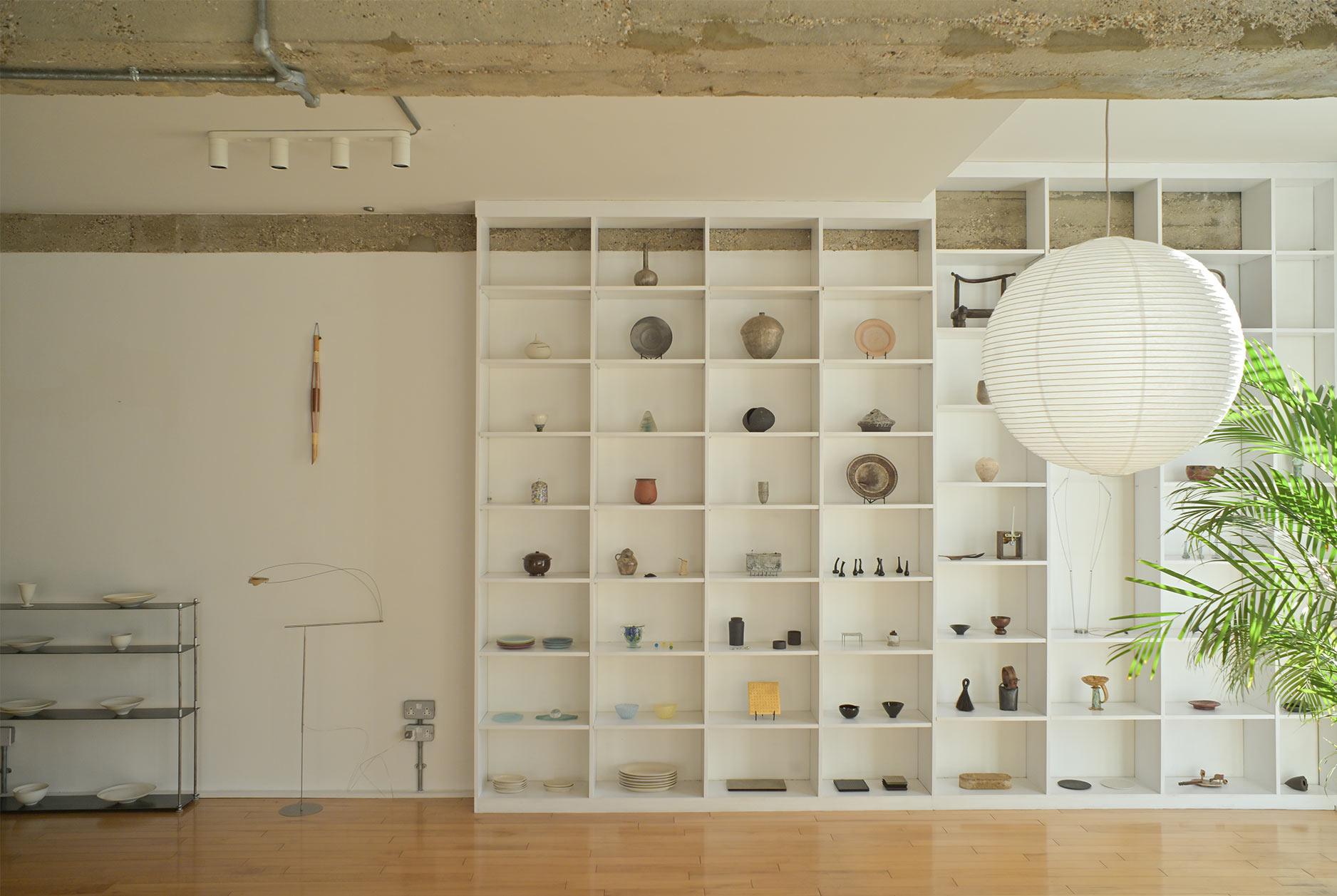
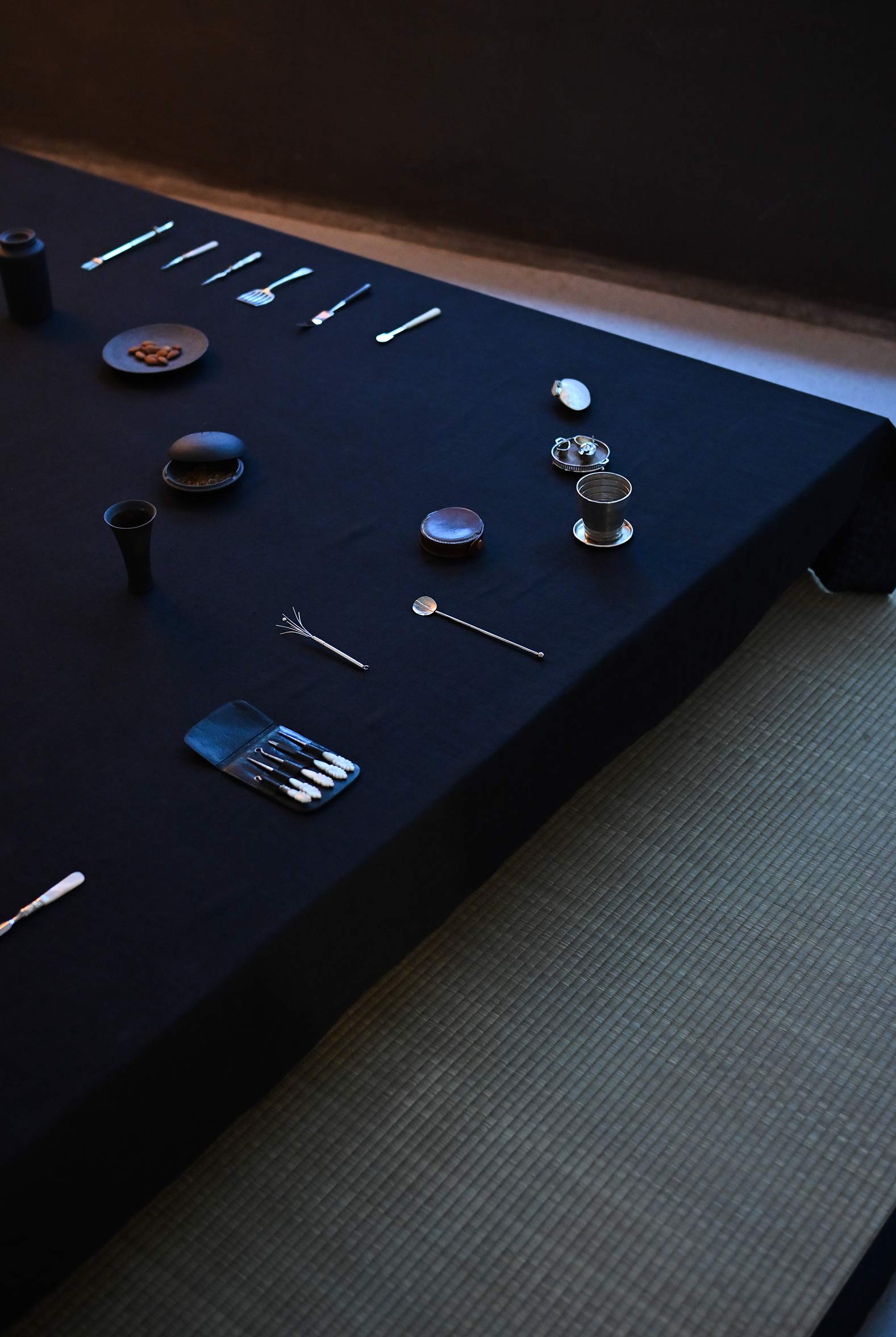
Thank you for using the word sanctuary. Though in some ways, we’d say it’s more relaxed than that. It’s not a traditional shop; it’s our studio and home, and occasionally, a showroom that opens to the public by appointment. We wanted the space to carry the spirit of where umum began—in the tea mountains of Hangzhou. That’s why it’s filled with greenery, soft light, and quiet corners. The mews where we’re based has a garden and tall trees that reminded us of the countryside home of Li Qun, the metalsmith we
stayed with every time we return. Our hope is that visitors feel an immediate sense of ease. Some of our guests are unsure how to describe the space at first—it’s more relaxed than a shop, less formal than a gallery, and more curated than a typical home. That in-between-ness is exactly what we want to convey.
Do you remember a moment when a maker’s story completely changed how you saw the object they created?
Not in the sense of one dramatic story altering our perception—but we’ve found that the more we get to know a maker personally, the more deeply we connect with their work. It’s often not about a single revelation, but about the quiet accumulation of details: their interests, their ways of working, their personality. Over time, certain objects start to feel like an extension of the maker themselves—so much so that when we live with these pieces, it feels as if a part of them is with us. In that sense, the objects become a kind of quiet companionship.
Is there a piece you encountered that completely shifted how you think about craft, place, or tradition?
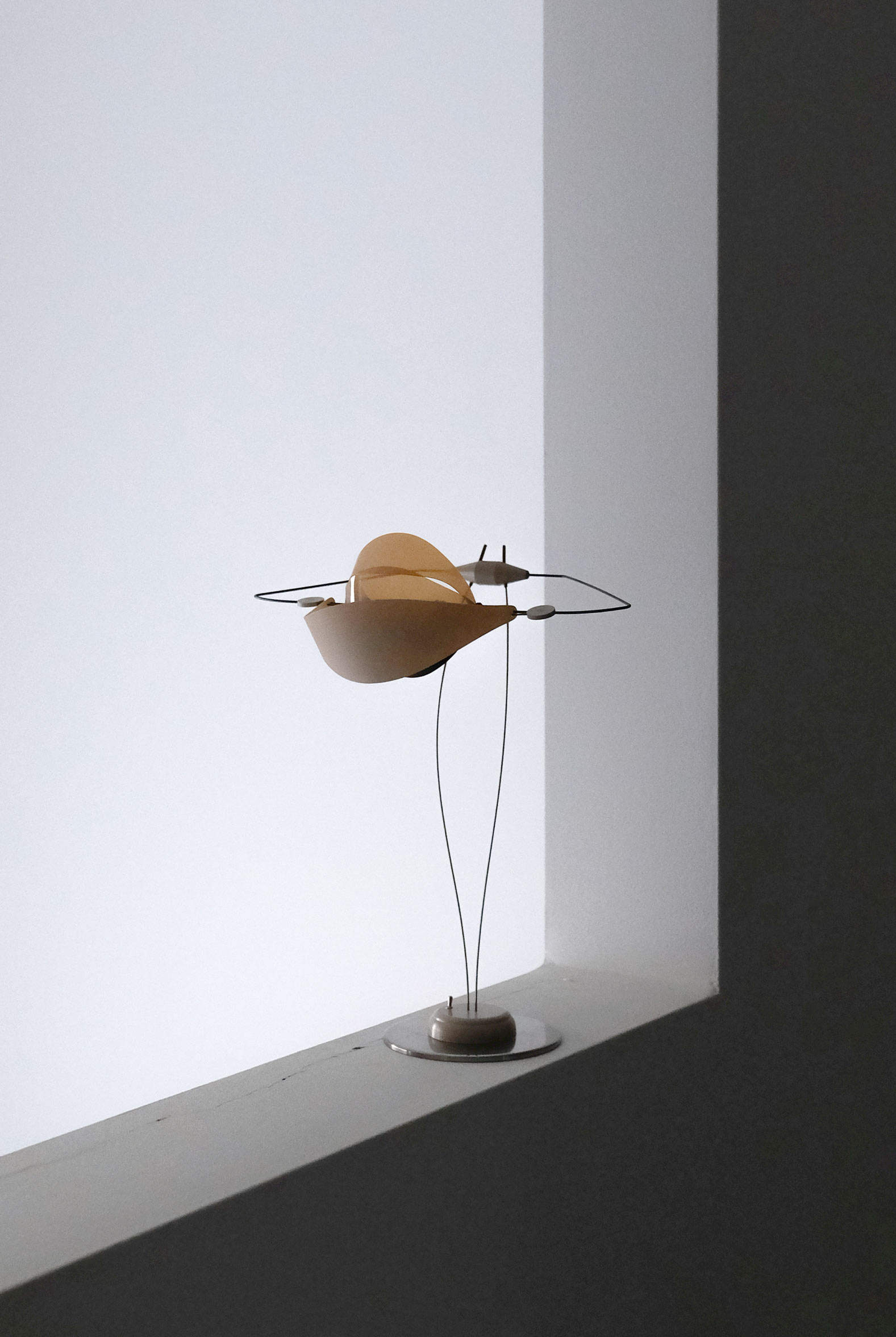
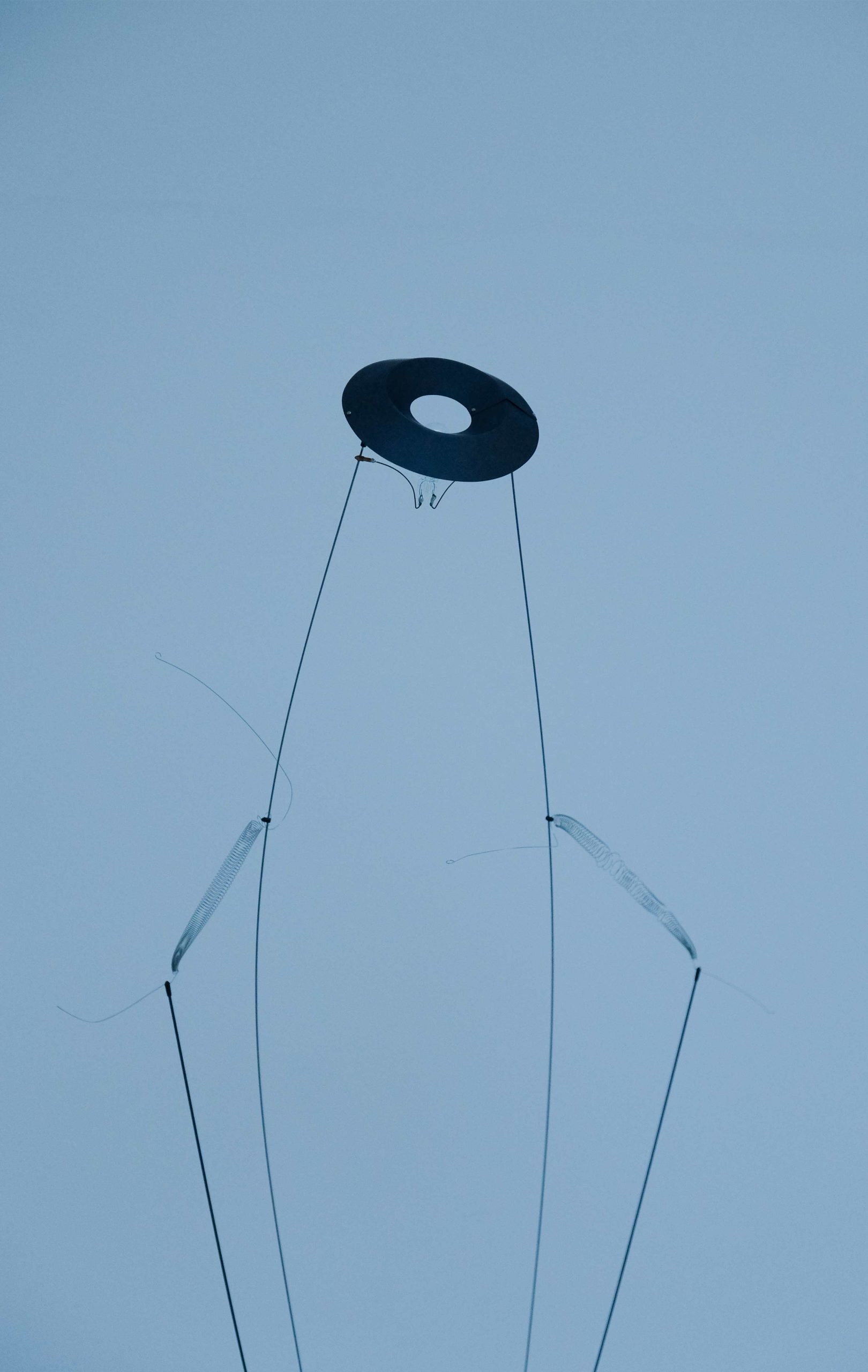
ST: Yes—Typei Hang’s lighting work had a big impact on me. I’m 27, which is relatively young in the Chinese craft scene. Most collectors and curators are from older generations, and many makers are still influenced by traditional aesthetics and processes. While I respect that lineage, I’ve always been more drawn to experimental, open-minded approaches to craft—which are still quite rare.
What struck me about Typei was that he began with a concept: the feeling of floating, of lightness and movement. From there, he taught himself how to work with titanium, an incredibly difficult material. He’s unusually patient—more so than many contemporary artists—and also more conceptual than most craftspeople. His work showed me that craft doesn’t have to be bound by tradition; it can be technically rigorous and deeply imaginative at the same time.
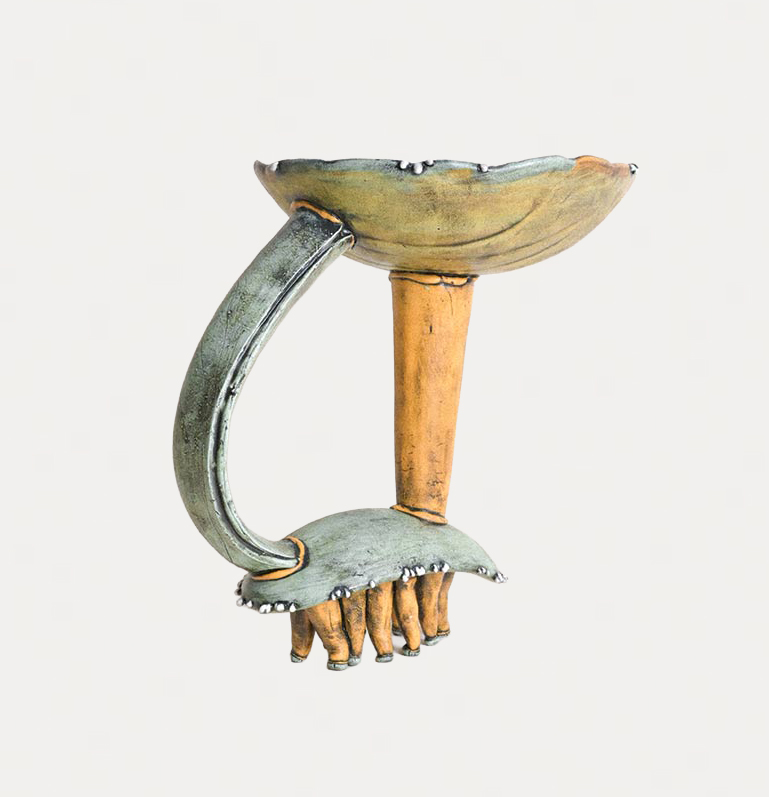
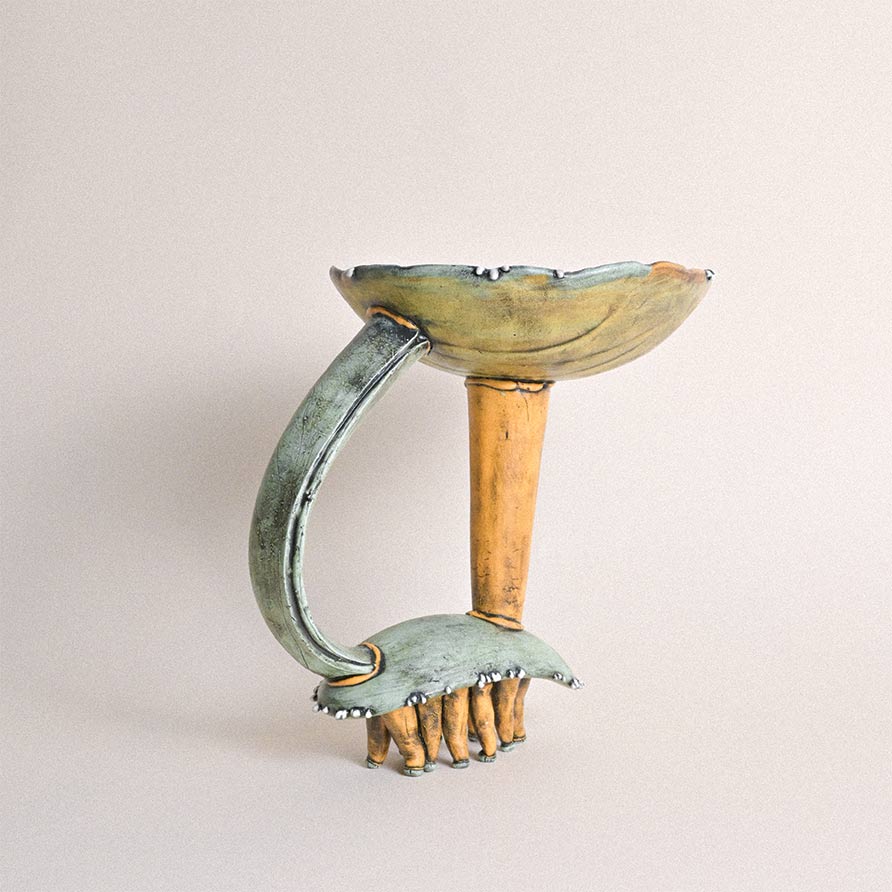
DH: For me, it was meeting Zhu Xinkui, a ceramic artist or personally I think he’s more of a sculptor , whose approach felt completely different from anyone else we’ve encountered. He treats clay the way a child plays with playdough—joyfully, instinctively. What amazed me was that, out of all the studios we’ve visited—over 40 by now—he’s the only maker who doesn’t collect other people’s work. His studio is filled only with pieces from different stages of his own practice, which really speaks to how self-sustained and organic his creativity is.
Each of his pieces feels alive, like they carry their own personalities. He also challenges how people perceive the function of everyday objects. His work reminded me that craft can be deeply internal, even playful, and doesn’t always need to be justified by tradition or technique.
What do you hope people carry with them after encountering the work showcased at UMUM?
ST: I’m not sure, honestly. I’m curious to see what people take away from our collection or our design.
DH: We want umum to feel like a space people can return to, whether for a quiet moment, a cup of tea, or just to catch up. More than anything, we hope people feel a sense of community and belonging.
If you were to venture into something other than objects, what would it be?
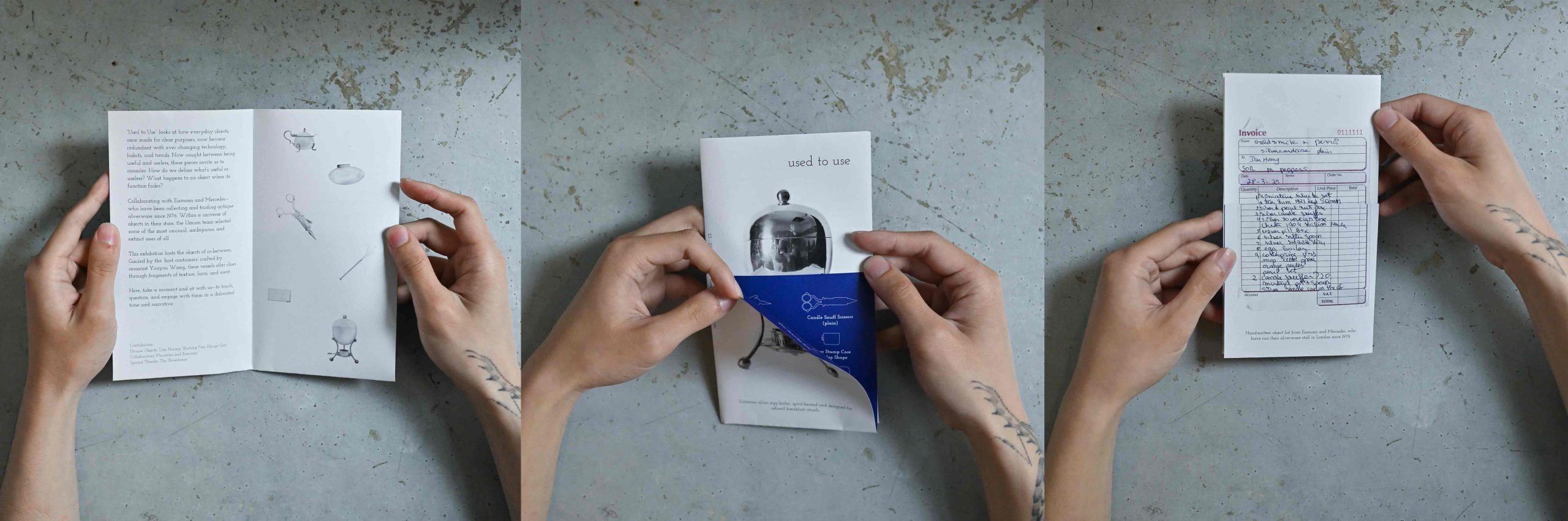
We’ve already started expanding into events—designing experiences that let people engage more deeply with the objects and the stories behind them. So far, we’ve hosted a painting workshop with artist Chen Guanyi, and a photobook-themed reading room where each participant brought a book to share and reflect on (we ended up receiving over 30 books from just eight guests!). At the moment, we’re working on a new themed exhibition exploring the idea of “useless objects,” alongside planning a tea ceremony tasting and a food-centered gathering. These events allow us to bring people together through shared curiosity, conversation, and sensory experience. Beyond that, we’ve started taking on commissions for craft-centered curation, as well as spatial and product design for restaurants and bars. There’s a lot in the works—and we’re excited to keep exploring new formats. Stay tuned!
Where can people find you?
Our studio is based in Kensal Green, London, and visits are available by appointment—you can book via the link in our Instagram bio or through our website.
Our next pop-up exhibition will be part of The Slow Dance, taking place 23–25 May 2025 at:
20c, Gransden Works
39–45 Gransden Avenue
Hackney, London, E8 3QA
We’ll also be hosting a summer pop-up in Hangzhou, China, at Arisu Ange Gallery, from 27–29 June 2025.
Follow us and stay updated here:
Instagram: @umum_objects
Website: www.umumobjects.com
Email: info@umumobjects.com