Wasted Time
What’s your name and where are you from/based?
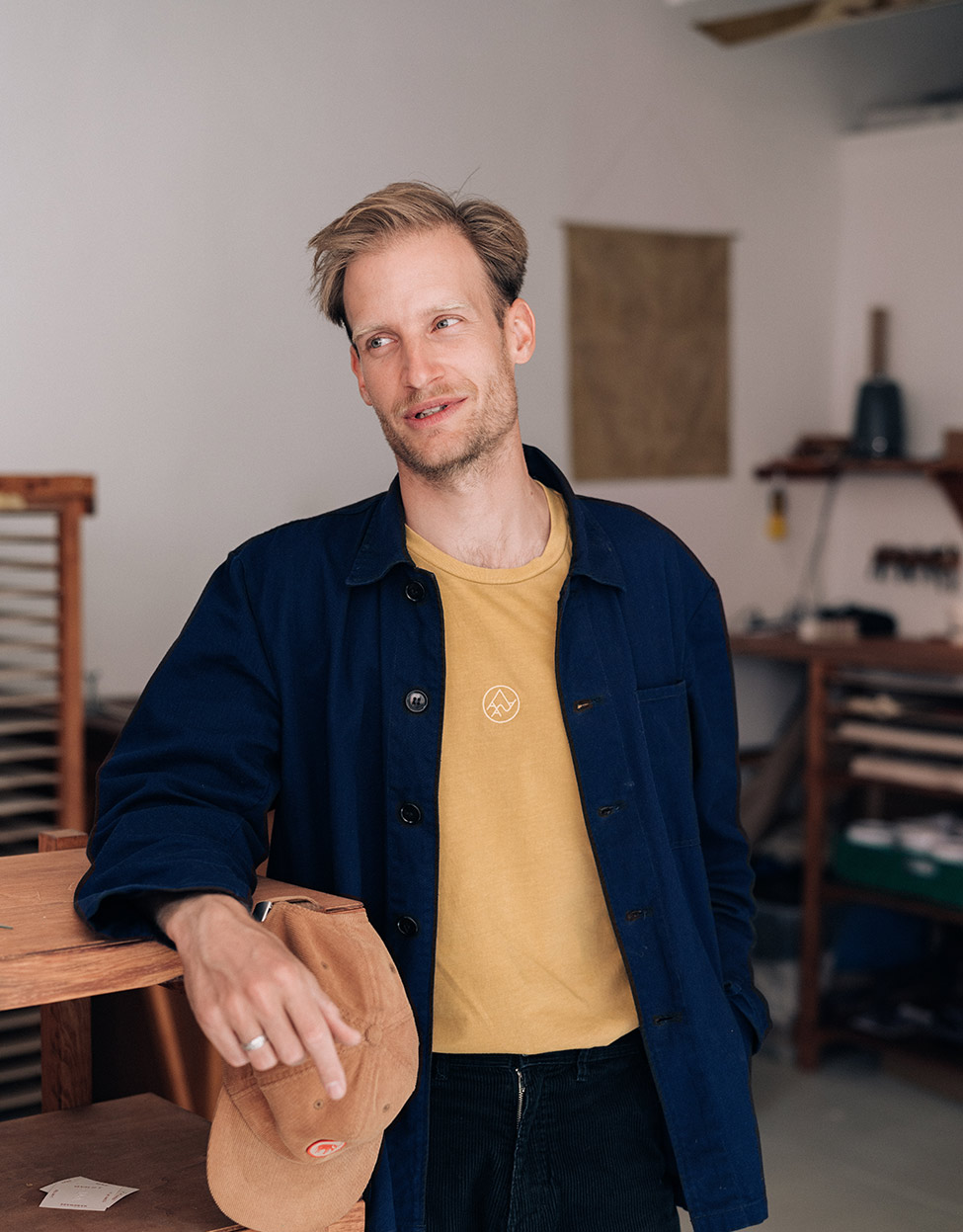
My name is Basile Jeandin. I was born and raised in Geneva, and for the past nine years, I’ve been living between my hometown and Lisbon. While I’m mostly based in Lisbon, I work between Switzerland and Portugal.
Can you describe what you do in a few words?
I have a background in visual communication, with a degree from the Faculty of Fine Arts in Lisbon (Faculdade de Belas Artes da Universidade de Lisboa). During my studies, I became super drawn to typography and printmaking—I remember developing side projects around those passions from early on. From the beginning, my plan was always to create bold, distinctive visual identities for all kinds of clients—that’s what excited me then, and still does today.
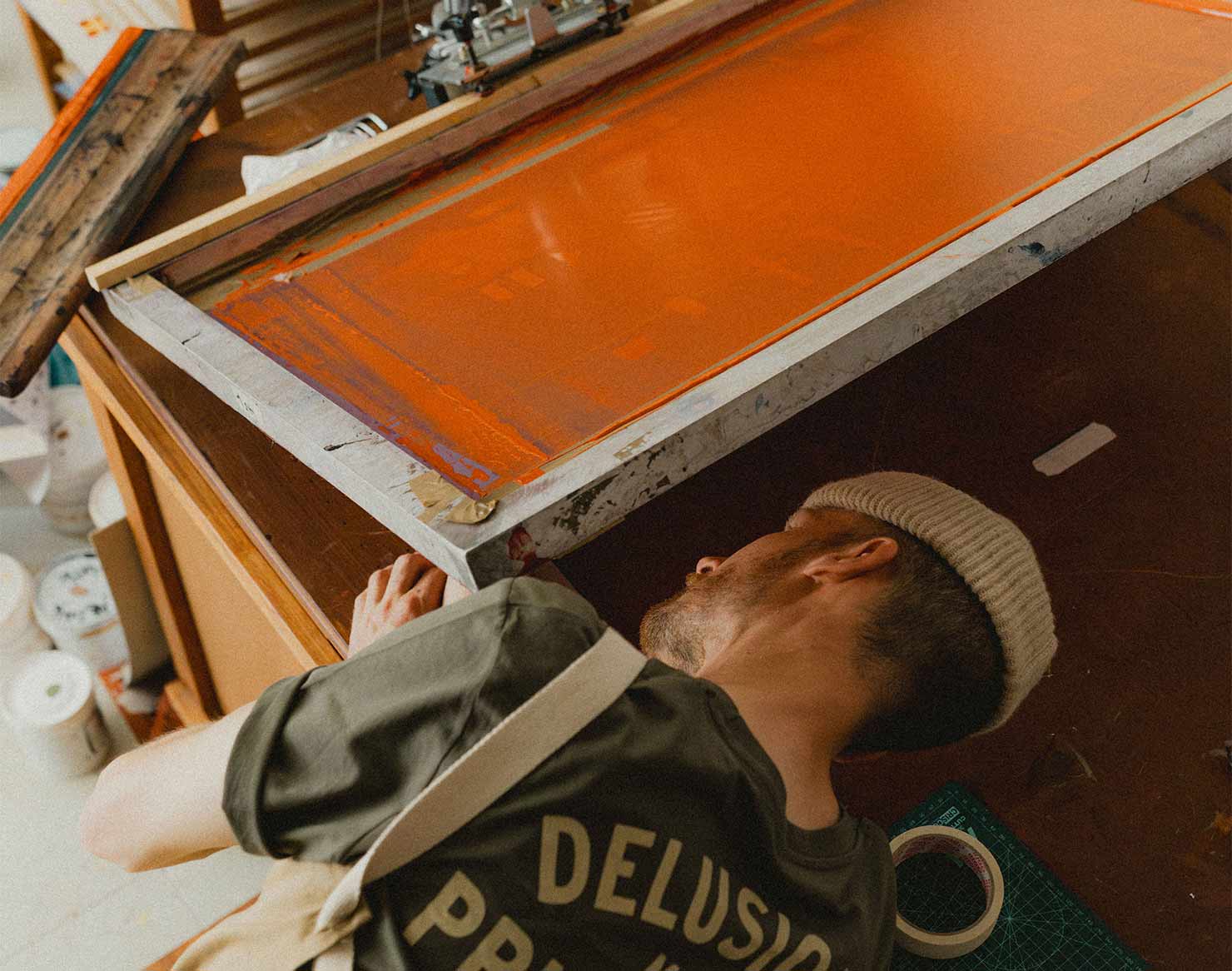
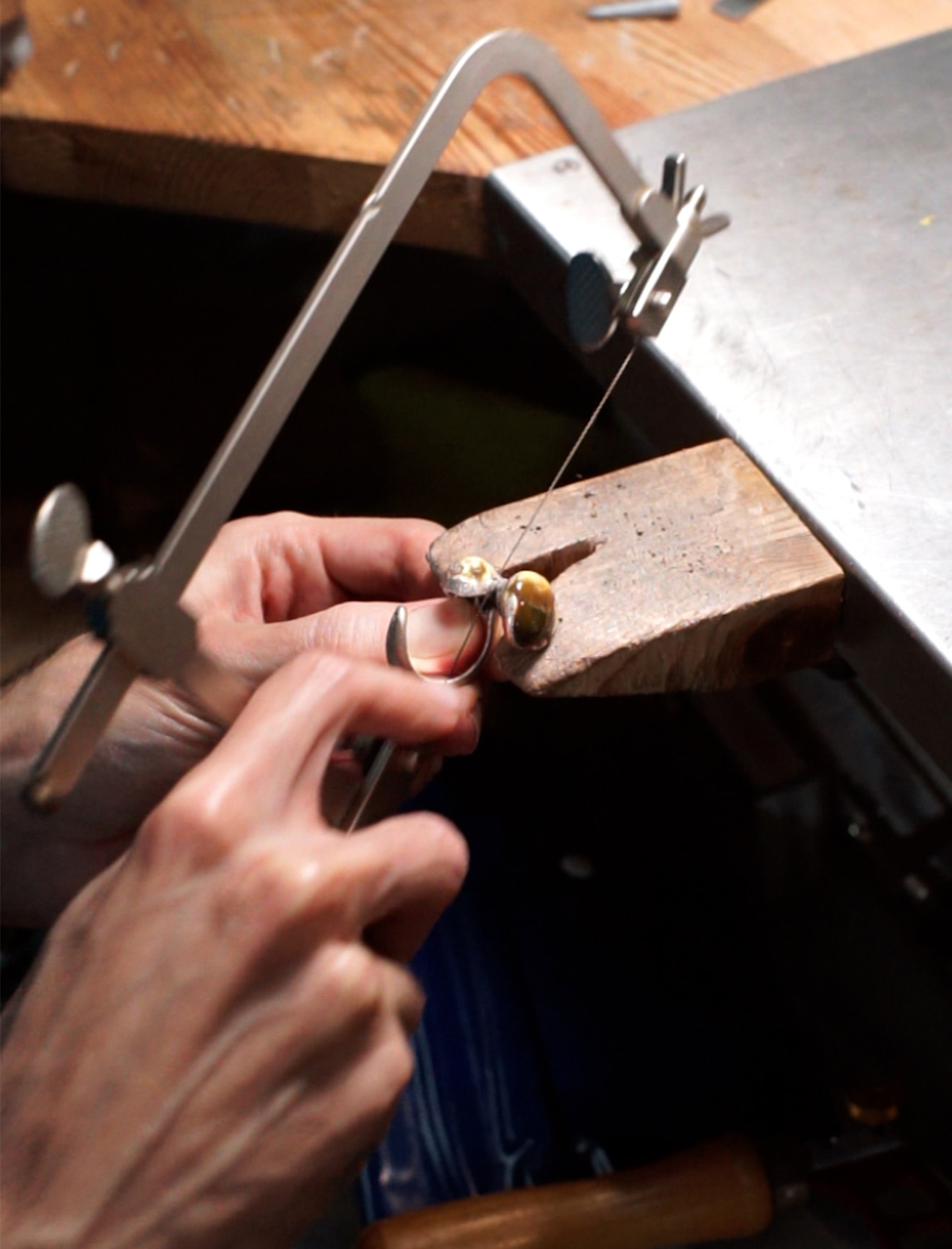
Later, while working on a branding project for a friend who had also moved to Lisbon, I discovered sign writing. I’ve always loved working with my hands, and this craft offered the perfect mix of design and physicality: part digital, part manual.
The edition work—and eventually Wasted Time—came as a natural extension of this desire to push my practice even further into the physical realm.
Sorry, digressing a bit here 😉 in a few words:
I’m an art director specialised in branding, with a strong passion for historical art forms. I believe handmade and craft-based processes are the most meaningful way to complement contemporary design. My practice centers around typography, sign painting, printmaking, and illustration.
What does the name wasted time mean to you?
Well, first of all, it sounds good 🙂
More seriously, it has several meanings:
it is a subtle way of saying, “we are going à contre-courant with everything that is happening now in this hyper-digital, throwaway plastic age, where we’ve forgotten that good things take time, where we crave everything instantly with no patience. Beauty is a slow process that takes time. We stand with beauty”
It’s my way of describing the absurd amount of time I willingly pour into making each edition—something I genuinely love, though it often feels at odds with today’s fast-paced, efficiency-obsessed professional world. Everything is carefully considered, slowly developed, and precisely crafted. No shortcuts, no compromises on quality. Always craft over industry, always process over productivity. A stubborn commitment to a pure—perhaps naïve—vision of beauty, upheld at every level.
That’s what we literally mean by Idealist Materialism or Materialist Idealism: not a slogan, but a literal stance.
It’s also an ode to exploration—pushing boundaries, stepping outside your comfort zone, learning and sharing with others, and staying creative in how you approach and solve problems.
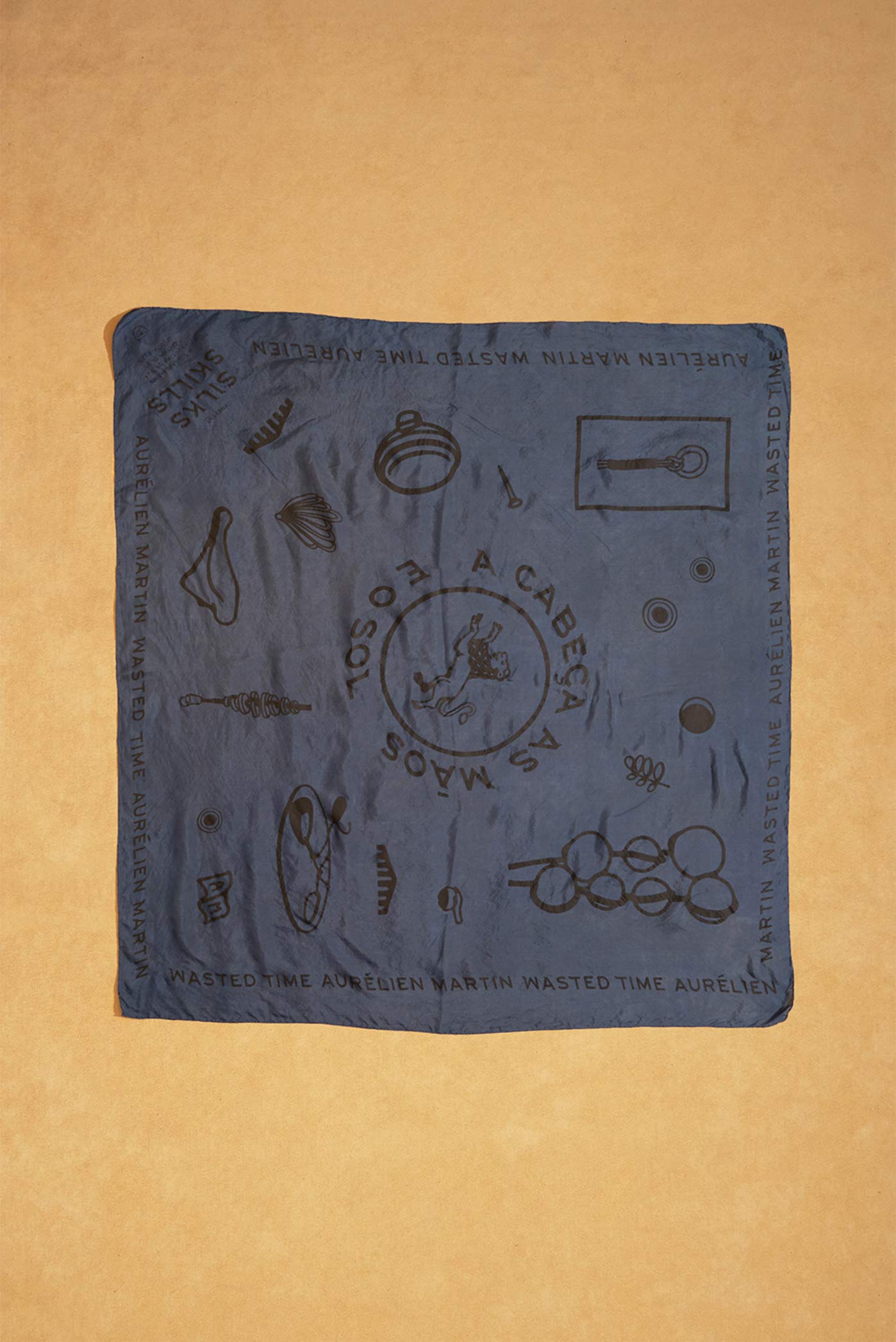
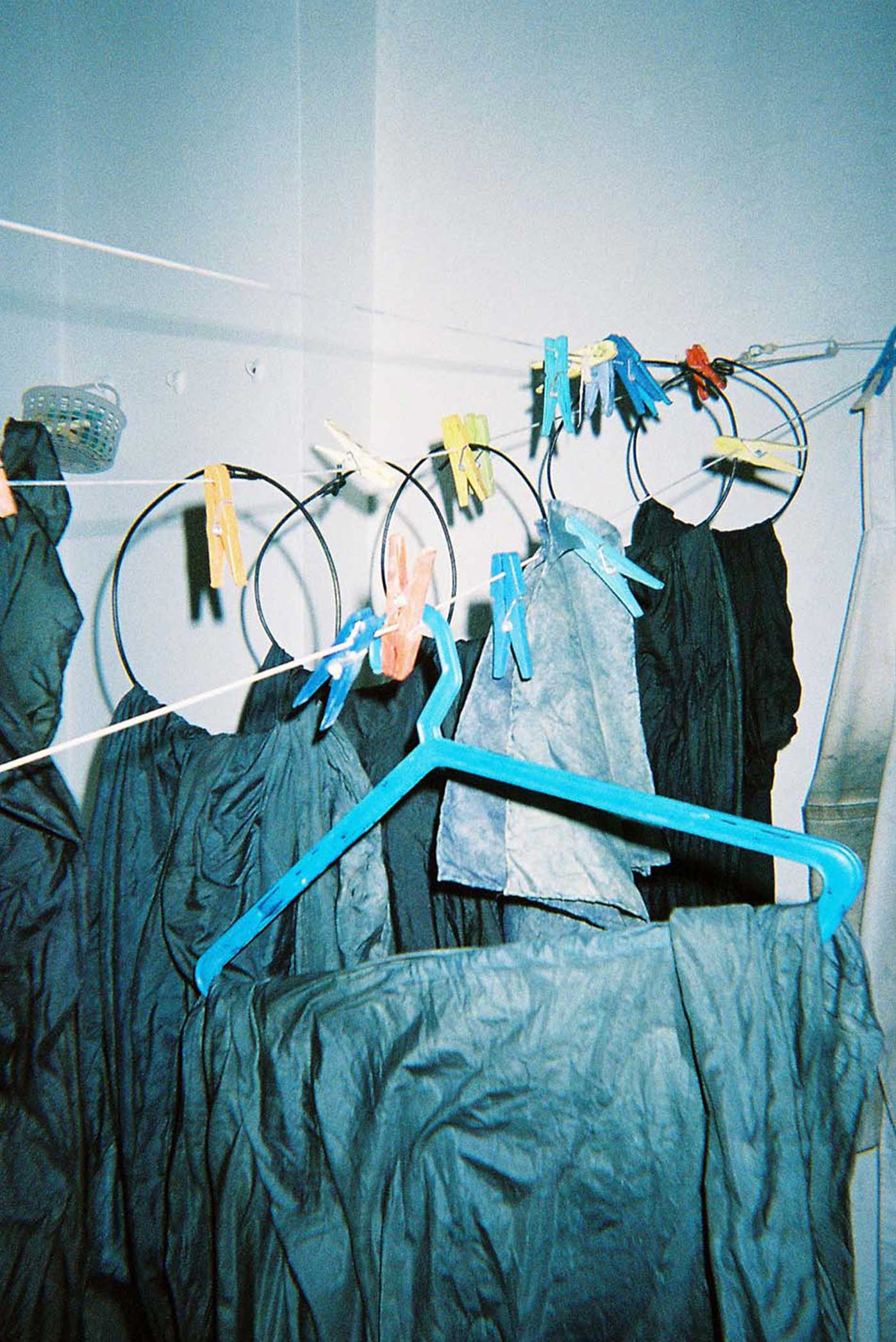
Wasted Time began as a platform for limited-edition handcrafted objects and has since evolved into a full creative workshop and platform. Can you tell us more about how this transformation came about?
Absolutely. To sum it up: the project began with the ambition of releasing limited editions—some born from collaborations with artists and craftsmen, others simply my own creations. This unfolded alongside my ongoing work as an independent art director and sign painter on private commissions.
Over time, I started to realize that the energy and time I was pouring into WT were adding a significant amount of stress and workload. That’s when things became clear: the project had already taken shape, the portfolio was strong, and it was time to bridge my various practices into one clear, cohesive entity people could recognize and connect with.
I’m currently in the middle of that transition—still shaping the tone and refining the tools that will communicate it, from the website to social media and beyond. By the end of the year, (hopefully) WT will have evolved into a fully formed creative studio—one that stays true to its original values: handmade, human-centered art direction, rooted in craft and process.
How do you envision Wasted Time’s role in bridging the worlds of craft, art, and design?
WT—both in its original and future form—is a practice that blurs the boundaries between these worlds. It does so by drawing from all three throughout every stage of the process. This approach is one of the reasons the project’s production atelier is based in Lisbon, a city with a deep-rooted tradition of craftsmanship.
In its next chapter, WT will continue to uphold these values—fostering collaborations with artists and artisans, this time in the service of private clients.
What role do residencies play within the vision of Wasted Time?
Residencies played a pivotal role in shaping the project—though they weren’t part of the original plan. At first, WT was conceived as a more solitary, merchandise-focused initiative. But as things unfolded, I was fortunate to cross paths with my partner and love of my life, Anaïs Wenger (whose practice you should check :), a contemporary artist whose perspective and network proved instrumental.
Her influence pushed the project far beyond its original boundaries. She played a key role in shaping the residency program, which brought a welcome sense of unpredictability and creative depth to WT. It allowed for a more open, collaborative approach—one that embraced multiple voices, unexpected outcomes, and richer perspectives.
I’m incredibly grateful to her for opening that door. It fundamentally reshaped what the project could be.
Are there any unexpected skills or ideas that often emerge during these residencies?
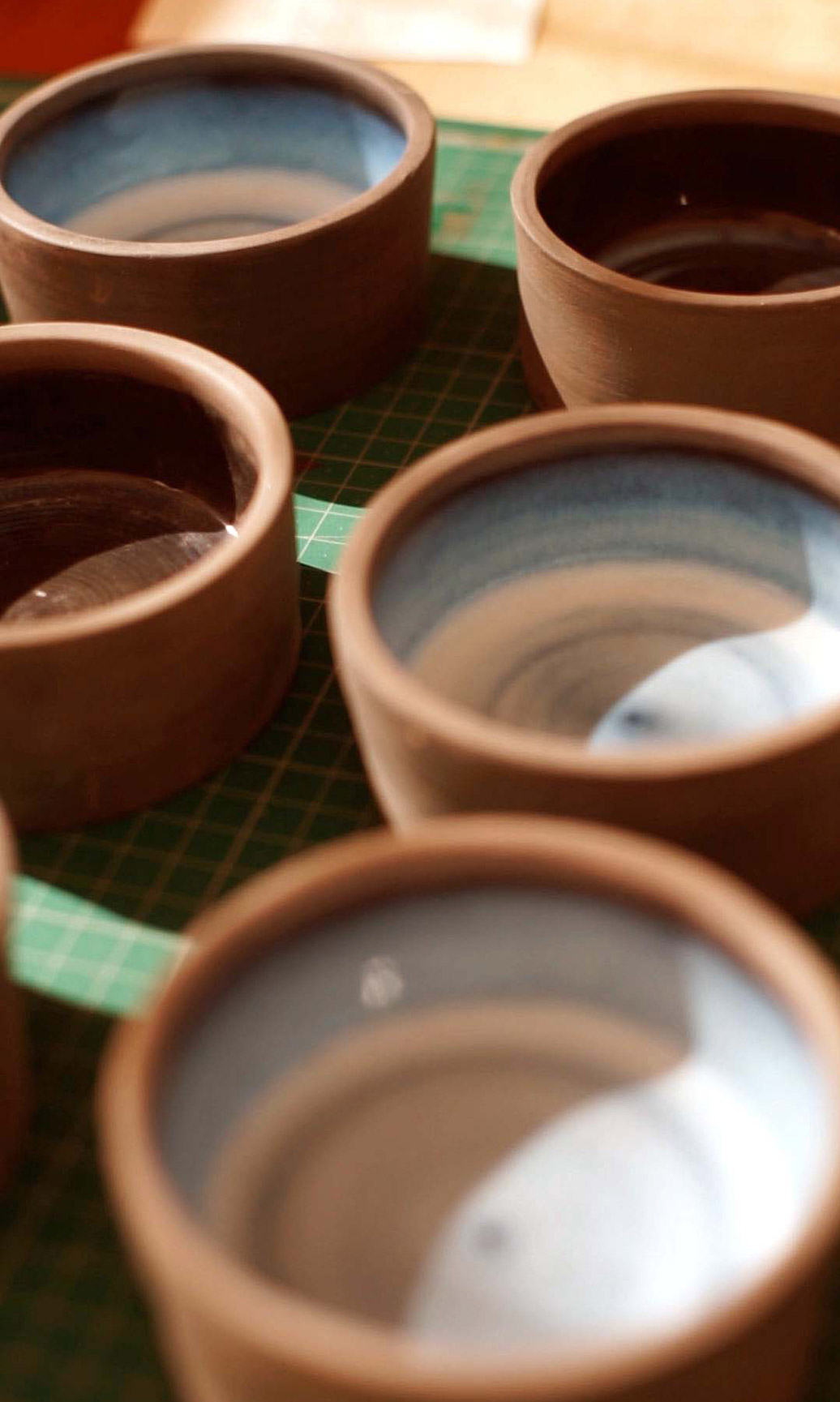
There wasn’t a single residency that didn’t challenge us. Each one pushed us out of our comfort zones and demanded its share of research, learning, improvisation, trial and error—and eventually, breakthroughs. It’s been a wild ride.
Working across such a wide range of editions—apparel, artist editions, consumables, printmaking, and more—requires constant exploration and an ongoing commitment to stay sharp and relevant.
As someone who tends to be in a rush, always eager to get things done, WT has taught me to slow down and truly appreciate the value of things made properly—without shortcuts, with care and intention.
What kind of dialogue do you hope these residencies spark?
Many, actually 🙂 Each residency brings a new artist, a new world, a new energy. It’s both a challenge and a joy to exchange ideas, co-create, and ultimately arrive at something that resonates as much with their practice as with WT’s. I wouldn’t say it’s always easy—but it’s always meaningful, and certainly never boring. I also really enjoy the cultural blend that’s happening during the residencies, the artists bring their own baggage and it goes through the local culture and craft making it evolve into something new.
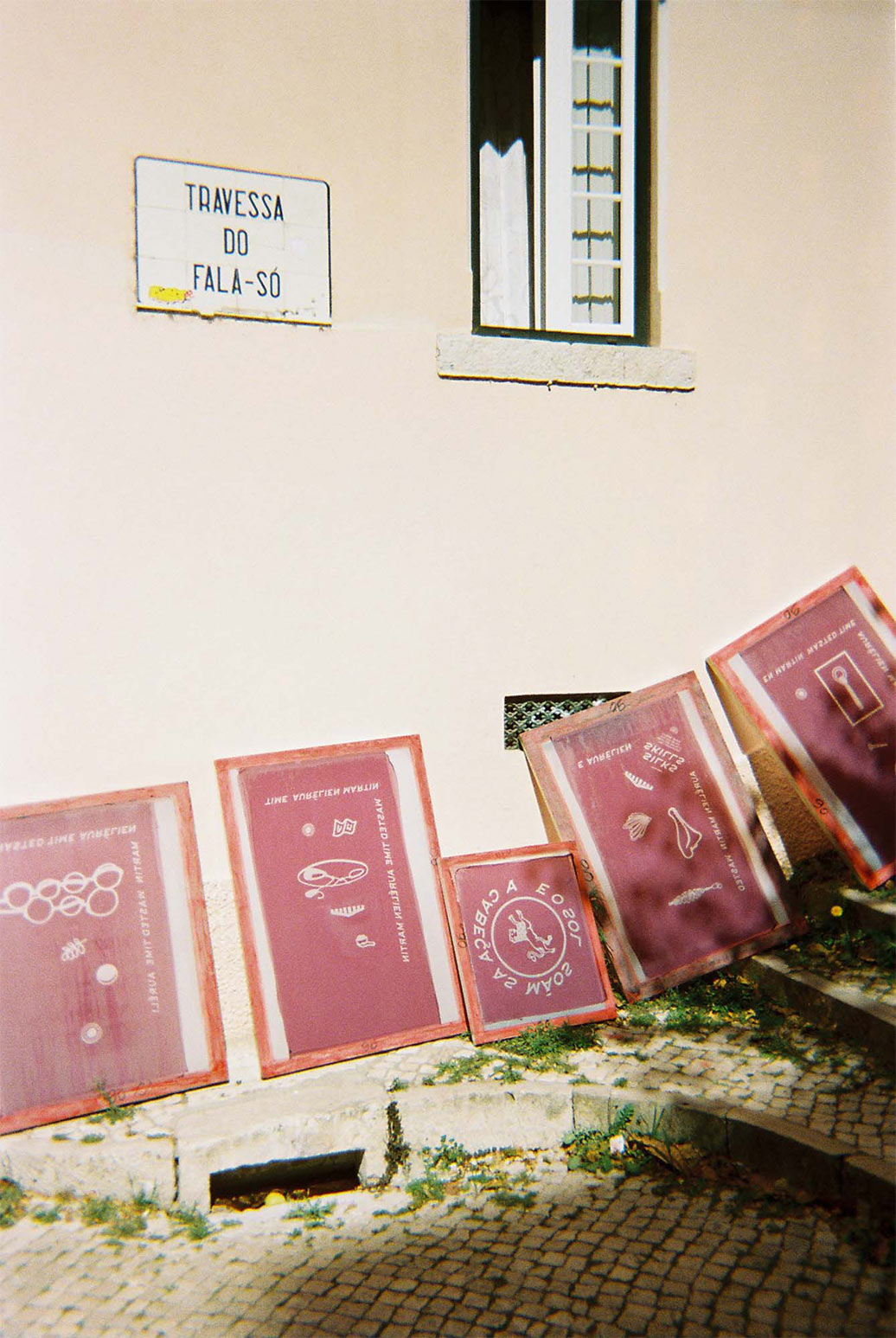
Although each artist you work with has their own approach, there seems to be a common thread in the style of the works you produce. Do you intentionally choose artists whose aesthetics align with your personal taste at Wasted Time?
I believe the common thread you’re referring to comes from several aspects—there’s no single “style” I look for when selecting residents. Their work doesn’t need to perfectly align with WT’s aesthetic, but there has to be a genuine interest in their practice. Anything less would be counterproductive, if not completely self-defeating.
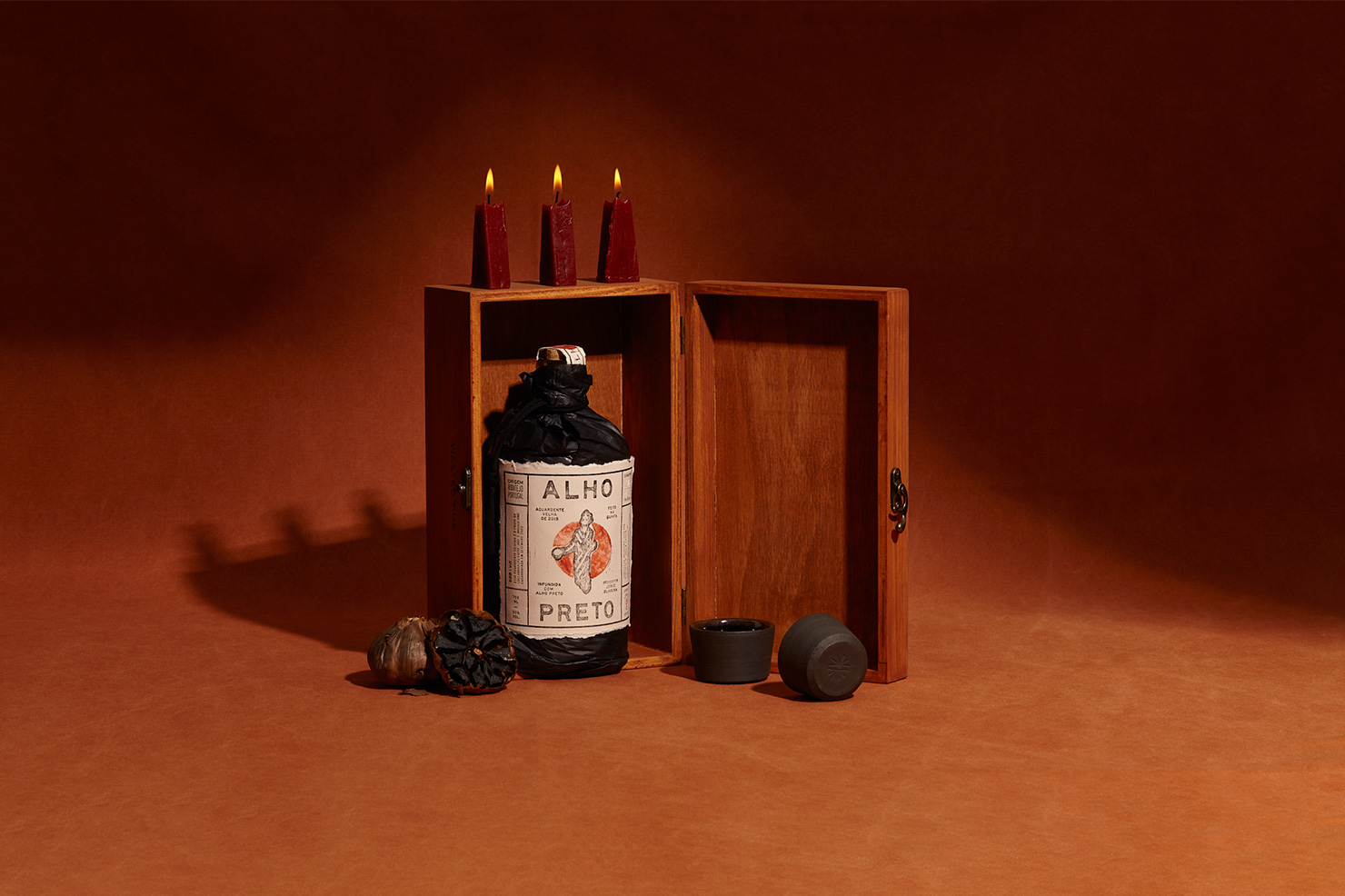
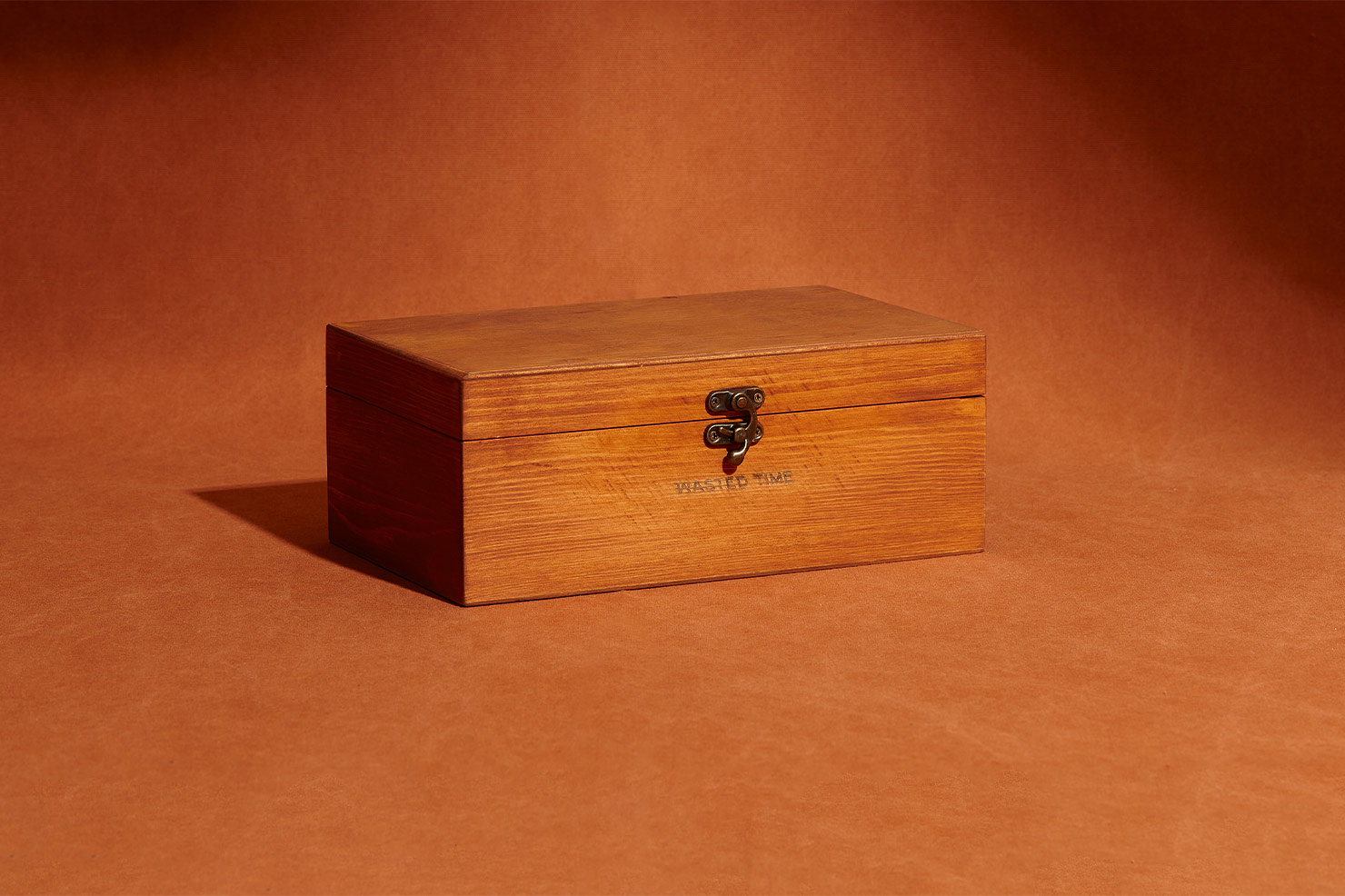
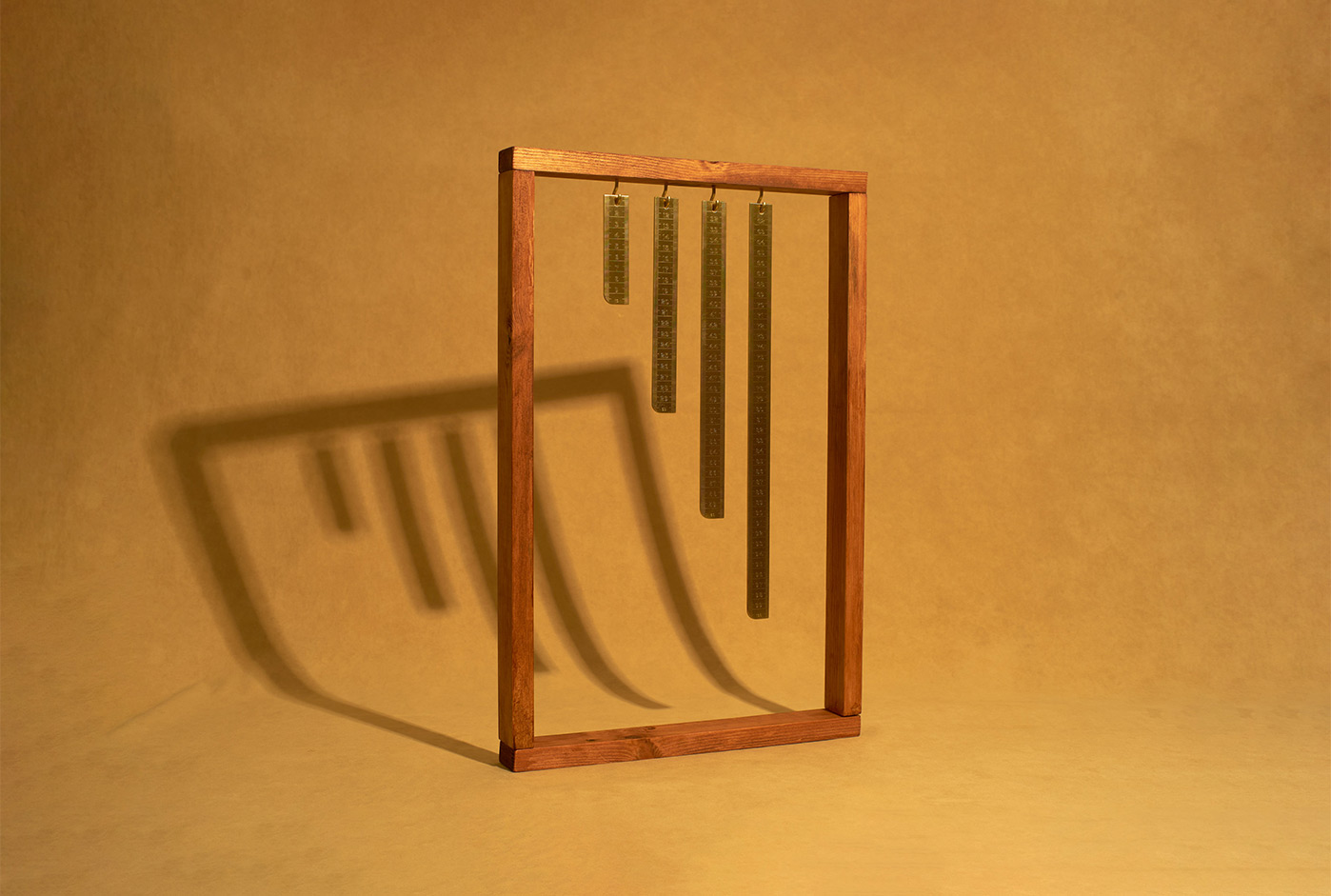
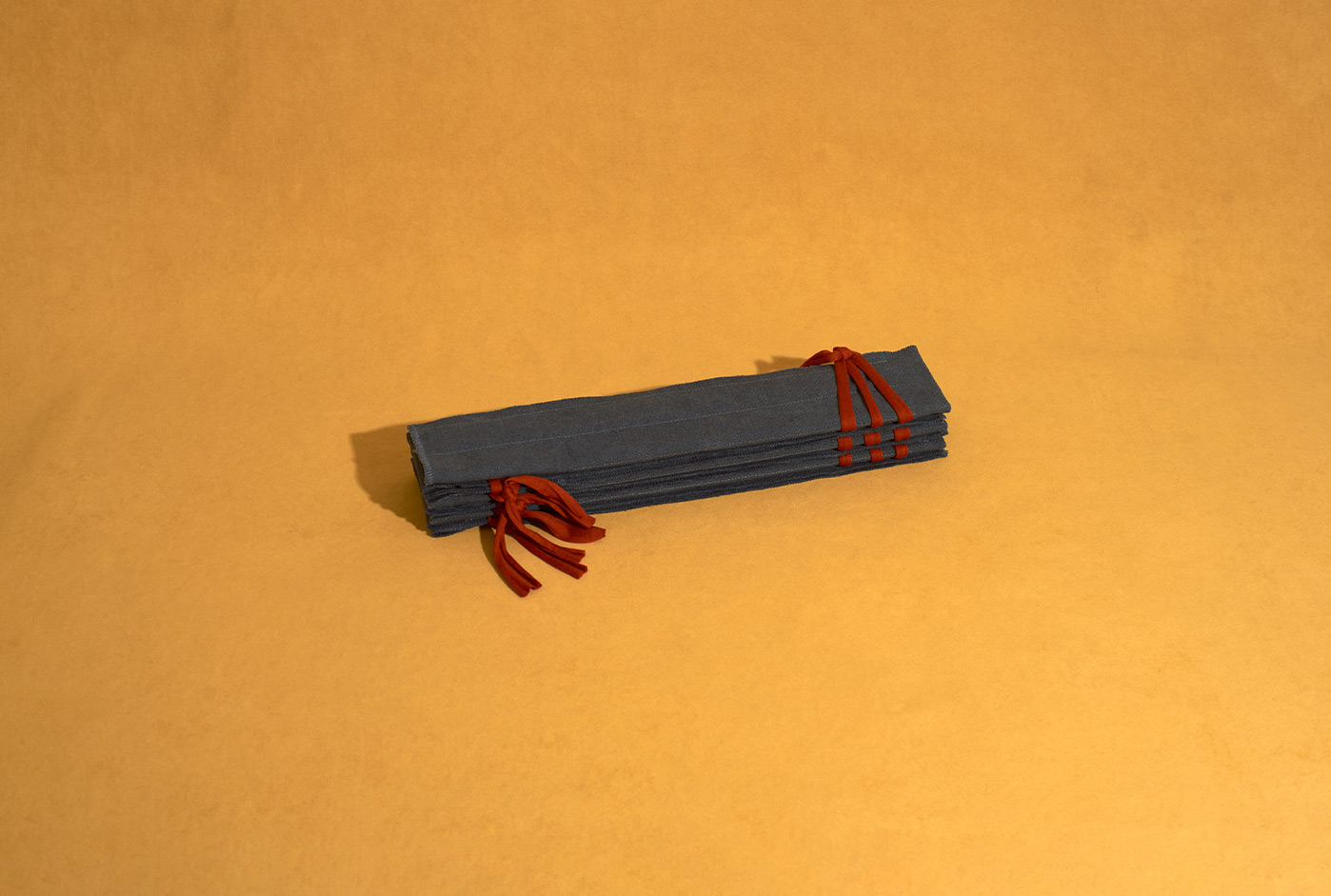
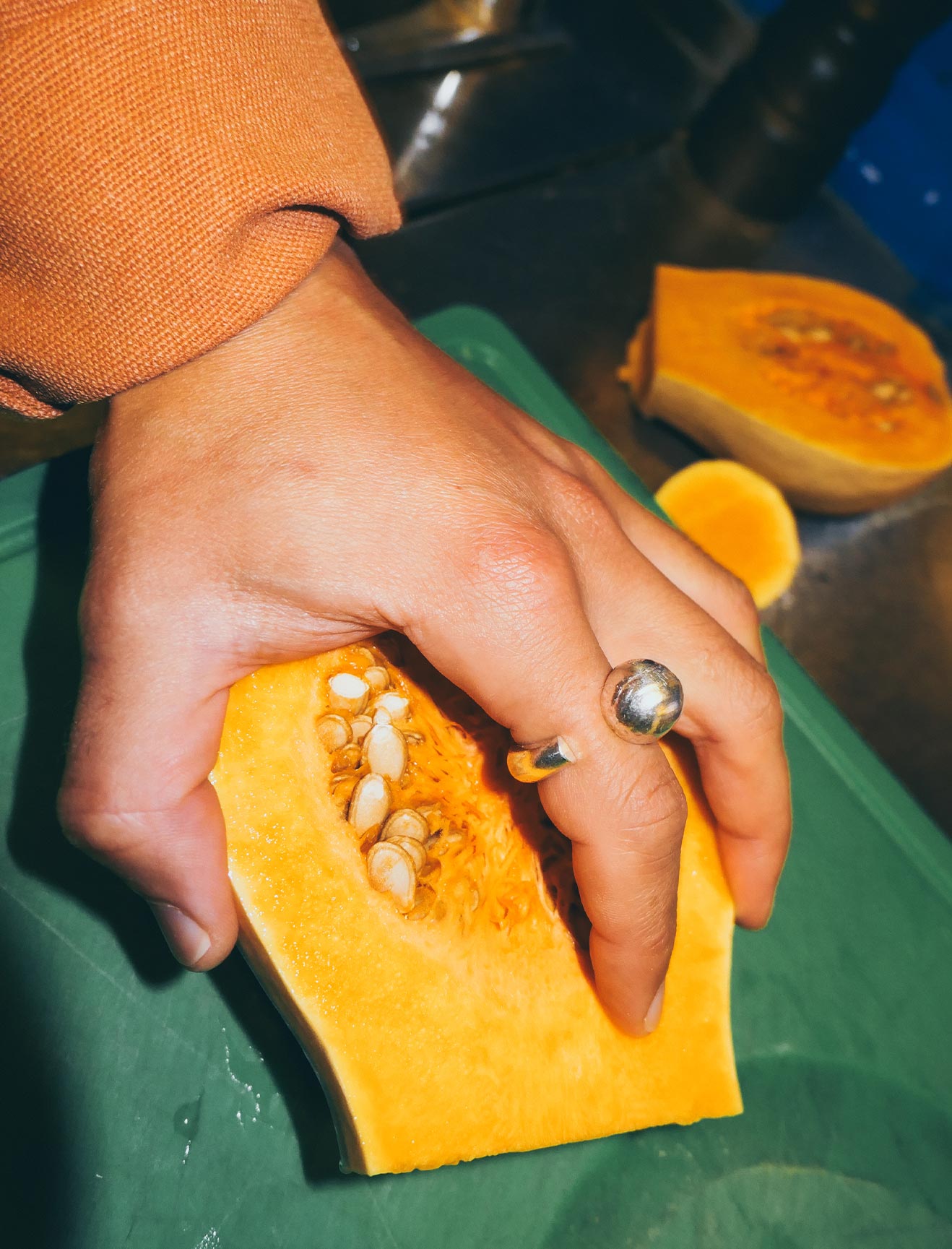
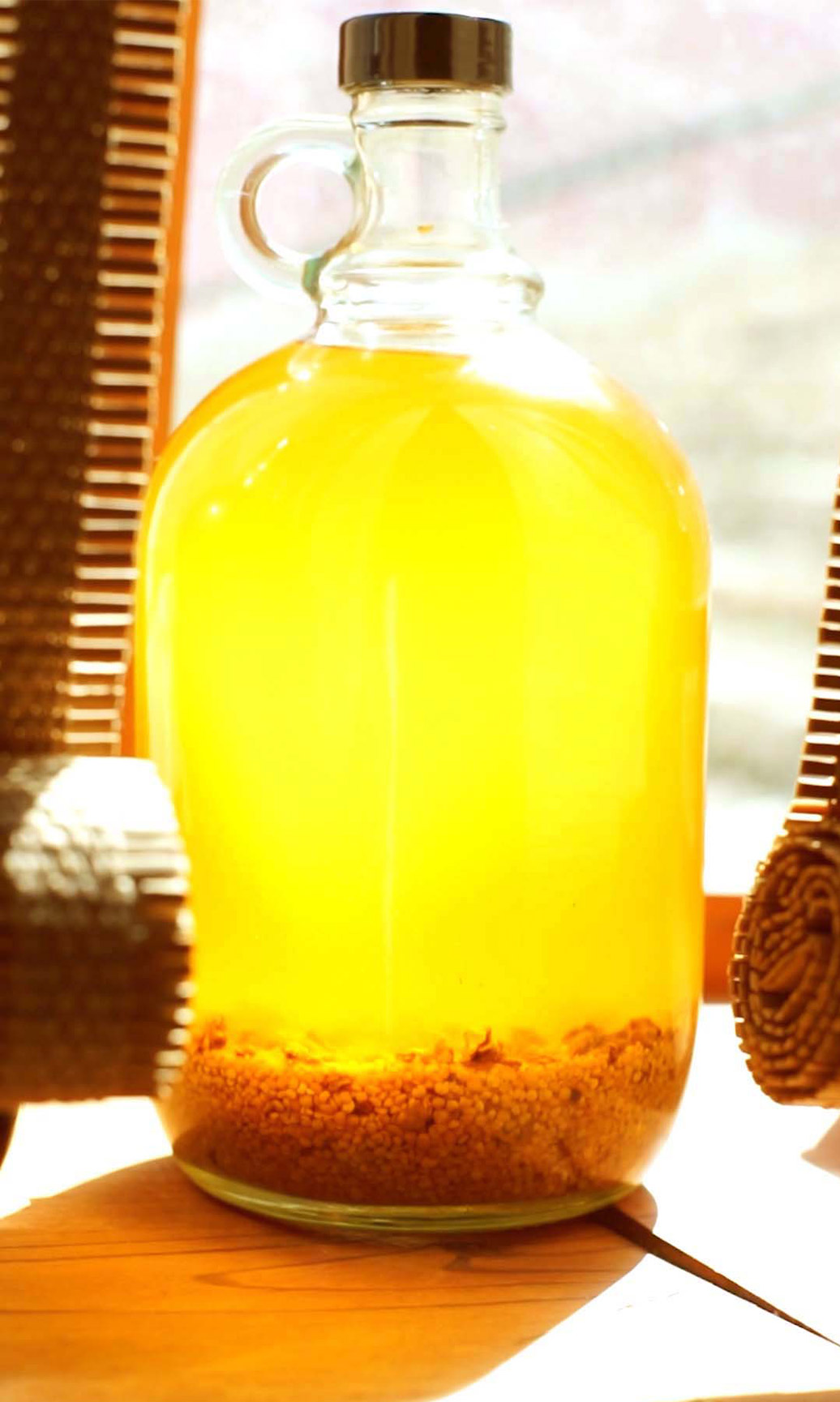
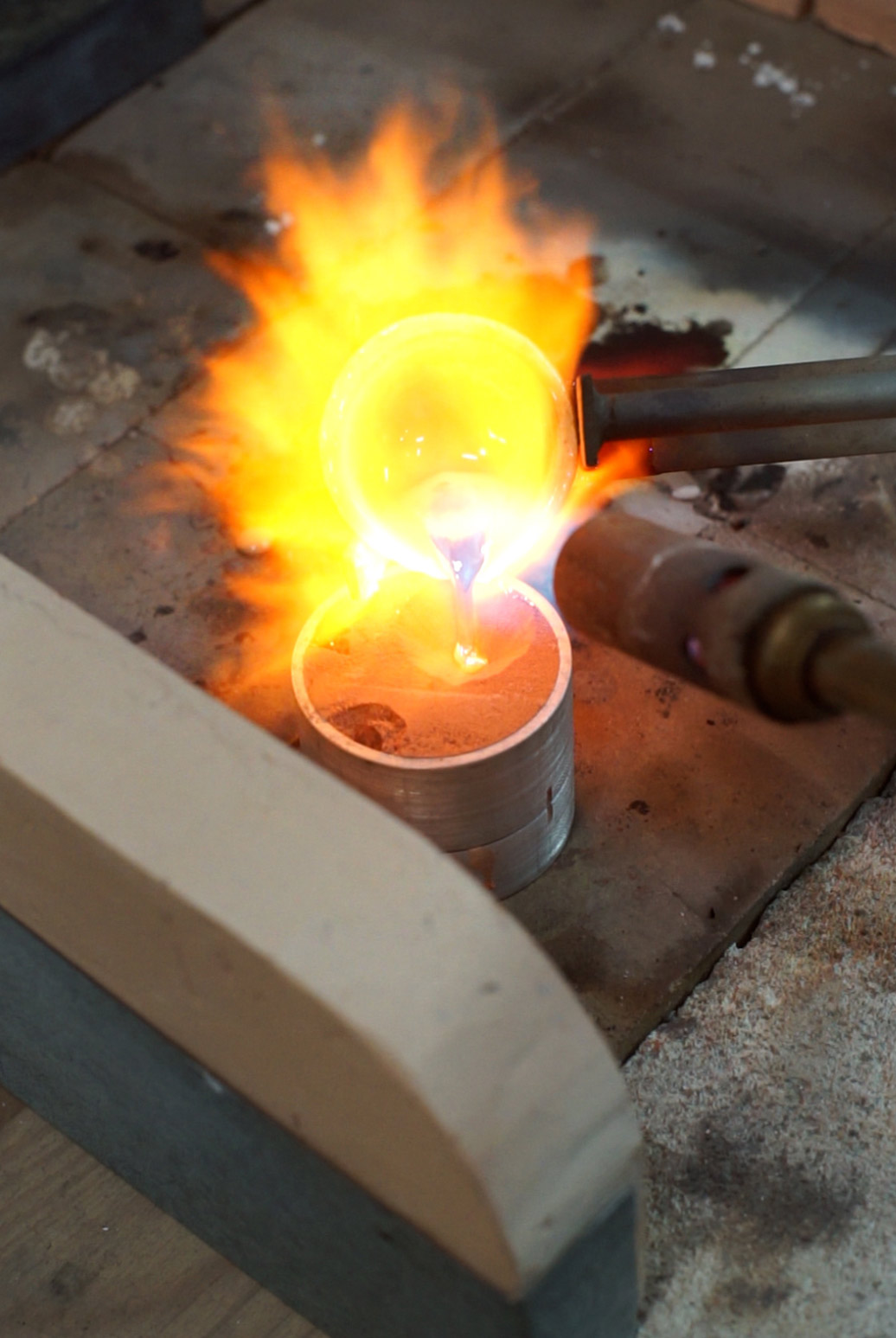
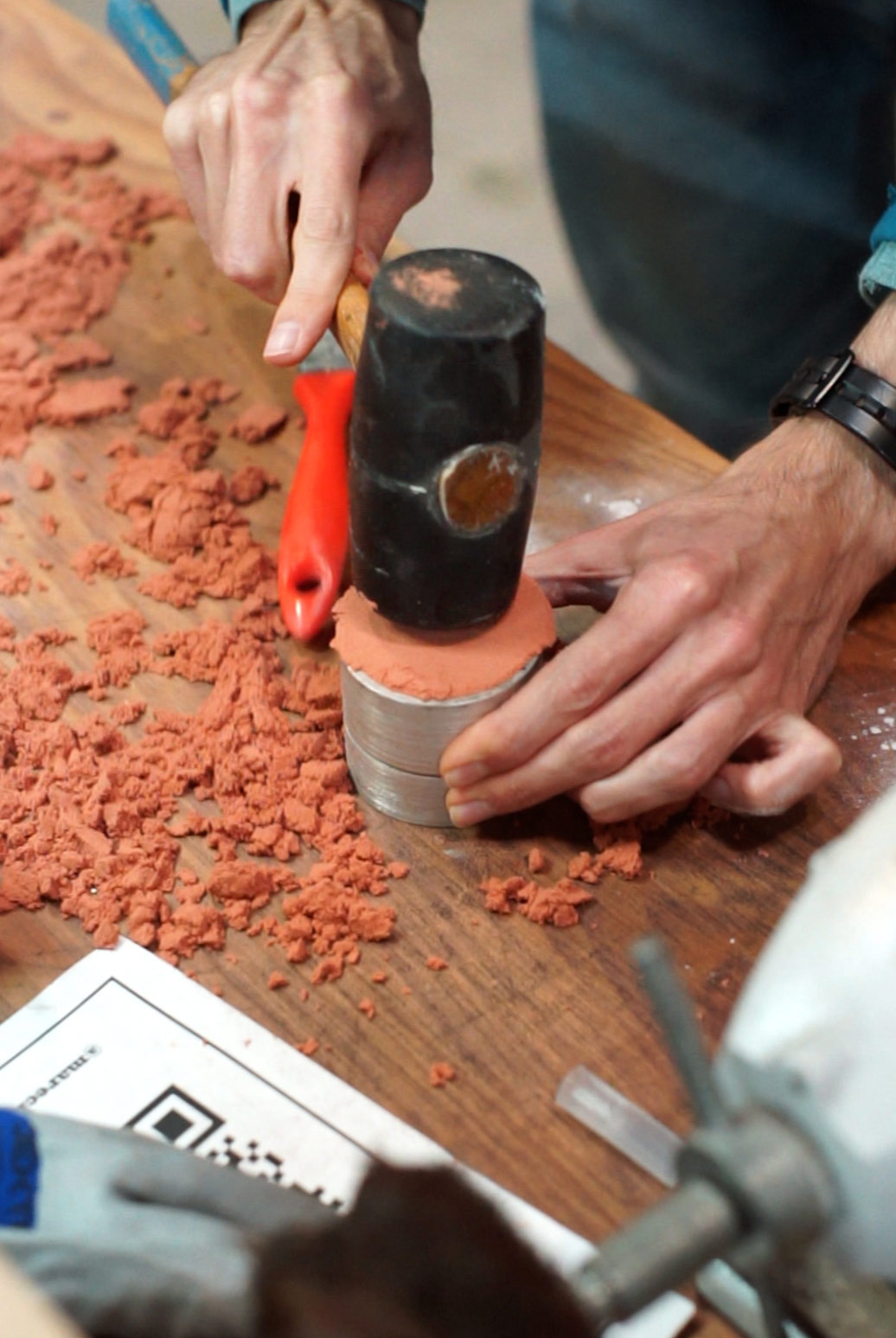
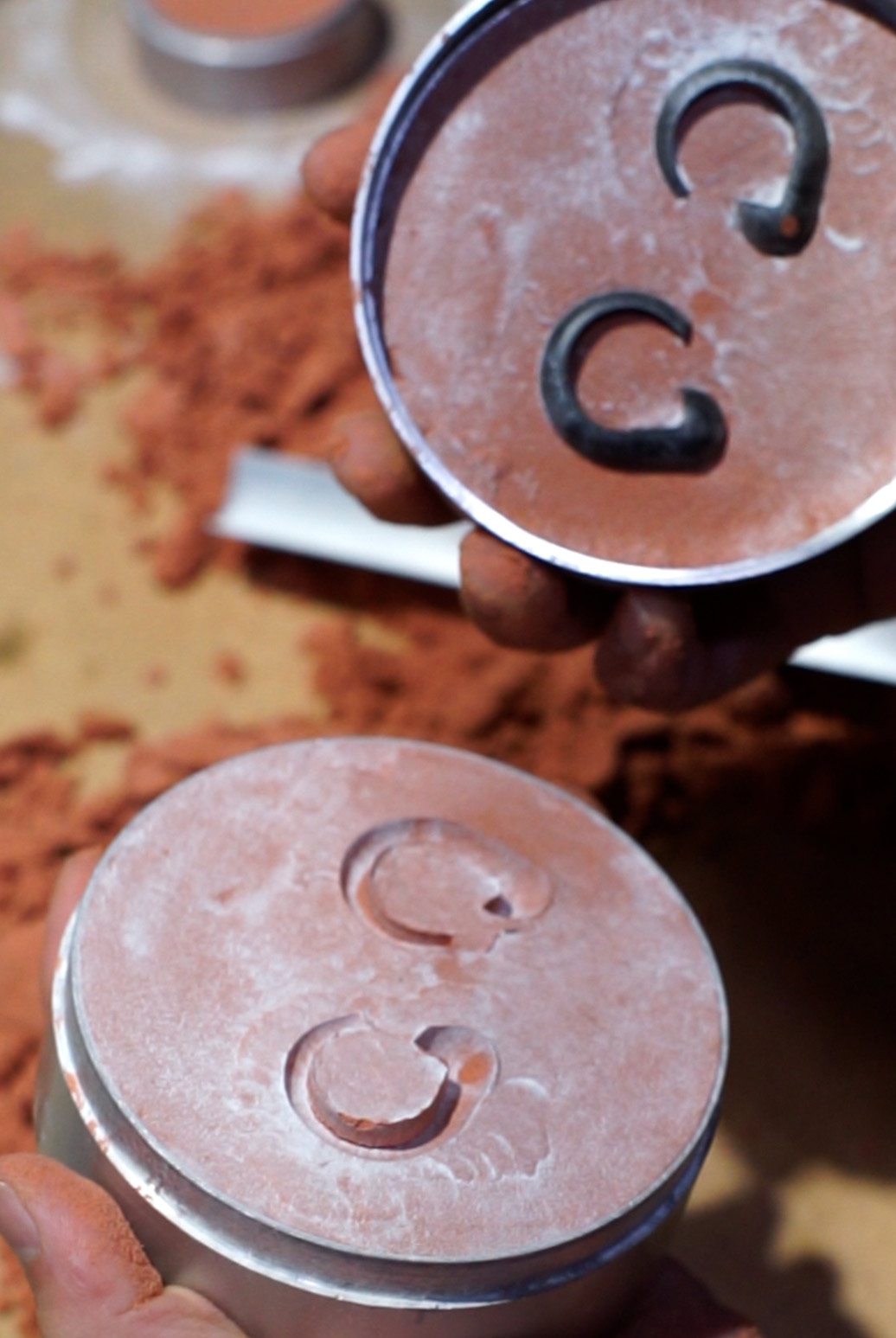
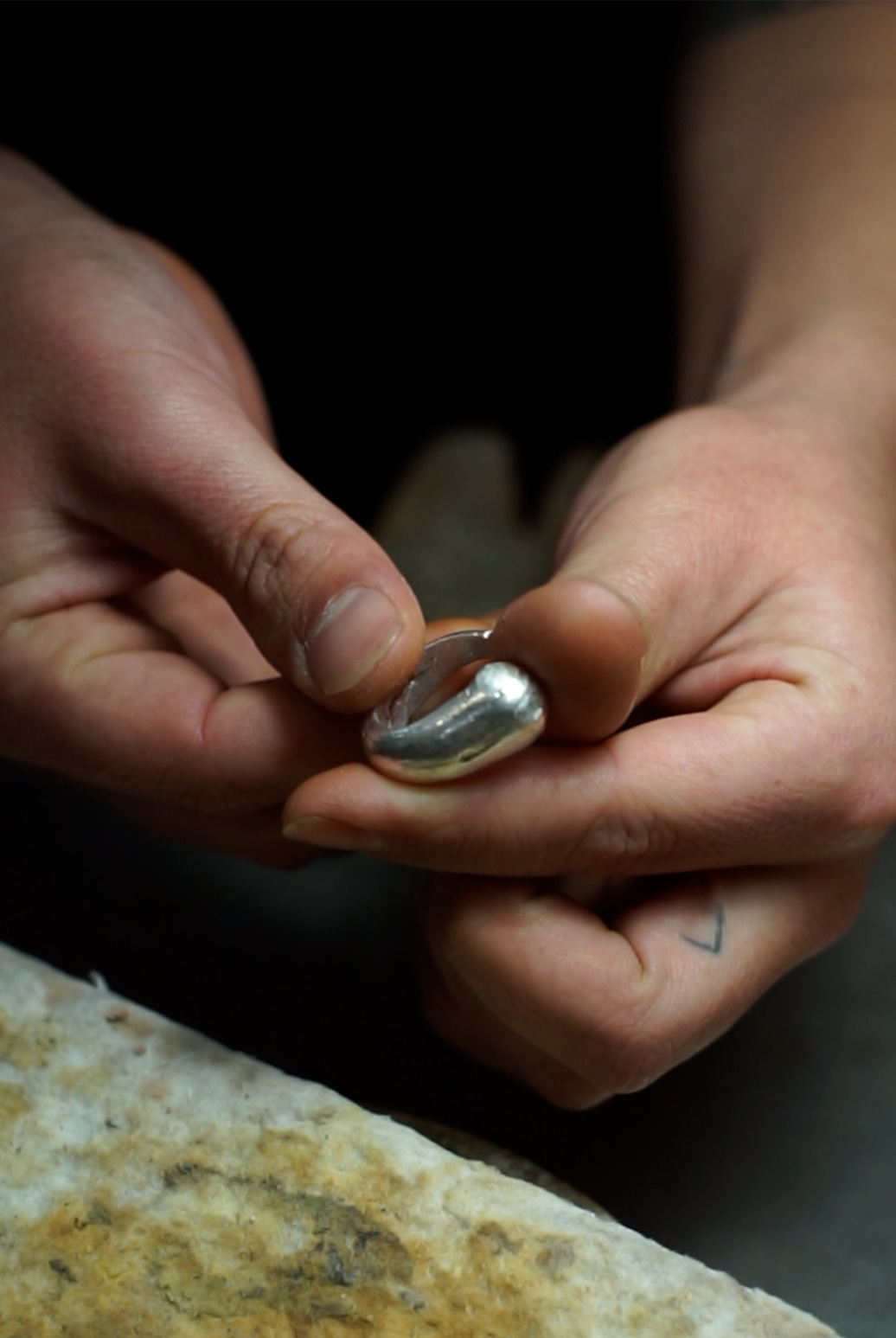
Naturally, the choice of edition is key. It needs to sit at the intersection of the artist’s universe and WT’s values—something grounded in manual work and reflective of an artisan’s way of life. We’re definitely not chasing innovation for its own sake 🙂 But we do cast a wide net: universal ointments, brass rulers, silver rings, apparels, black garlic infused brandy, cyanotype kites. Whatever feels like it should be made, really.
In the end, the real coherence comes through the visual identity of each piece. As the project’s art director, my role in these collaborations is twofold: to help shape and refine the edition itself, and to ensure it fits visually into a larger whole—a body of work that feels unmistakably WT, and that holds together over time.
In your view, what makes a collaboration truly meaningful, not just in terms of results, but in experience?
For me, it’s the process that matters most—more than the final edition itself. When working with craft, it’s the process that defines the outcome, not the other way around. Everything hinges on the quality of the relationships we build while creating together. Different artists, different artisans, different editions—each one shaped by the collaboration behind it.
Where can people find you?
You’ll usually find me designing, painting, or printing in my workshop & showroom in Lisbon—unless I’m out at sea surfing. I also spend a lot of time in Geneva, where I’ve opened a second atelier.
You can follow what we’re up to on the gram at @wastedtime.studio, and visit our site at Wastedtime.studio
Too many projects in the works to keep track—best to follow along and see what happens 😉