Wootek Lim
What’s your name and where are you from/based?
My name is Wootek Lim. I was born in Seoul, South Korea, and have lived here my entire life.
Can you describe your practice in a few words?
I believe that ideas are the most vital element of any work. My practice spans design, craft, and art, and I approach ideas differently in each discipline. In design, rationality and universality are essential. In art, however, I believe more radical or even destructive ideas are sometimes necessary. When working on design projects, I maintain a balanced rhythm from the initial concept to mass production. For art-focused work, I tend to immerse myself deeply in one or two core conceptual pillars.
In retrospect, what aspects of the industrial mindset from your eight years at Samsung have stayed with you?
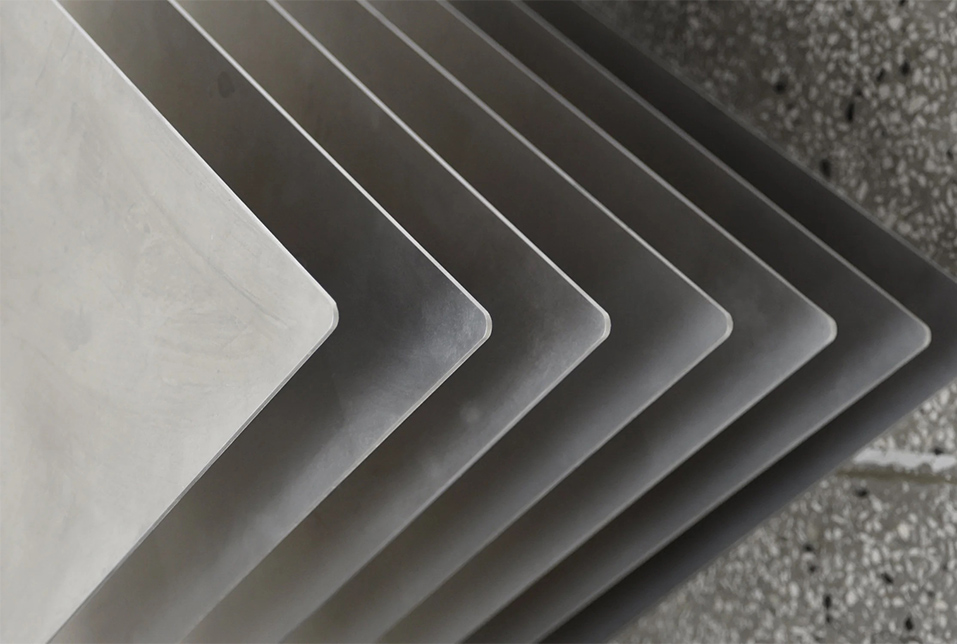
Having worked in diverse environments—from global corporations to private studios—I found that a company like Samsung plays an important role in developing a “universal sense.” The goal there is to design for a global audience by creating products that almost no one would dislike. Paradoxically, this experience strengthened my desire to pursue my own distinct design language, which eventually led me to work independently. Observing the endless cycle of seasonal electronic products—many of which look nearly identical—also sparked complex feelings about industrially produced objects. These thoughts later became the foundation of Egosystem.
When you launched ADAO in 2018, what were you hoping to create through the studio?
While my experience at a large corporation was invaluable, I chose to become independent to broaden my scope as an industrial designer. At ADAO, I work on a wide range of projects, from electronics and medical devices to furniture and vases. Collaborating with clients of different scales—from tech companies to small startups—has helped me grow significantly as a designer.
You went on to establish Egosystem as a second studio, how does this differ from ADAO and what do you hope to explore through it?
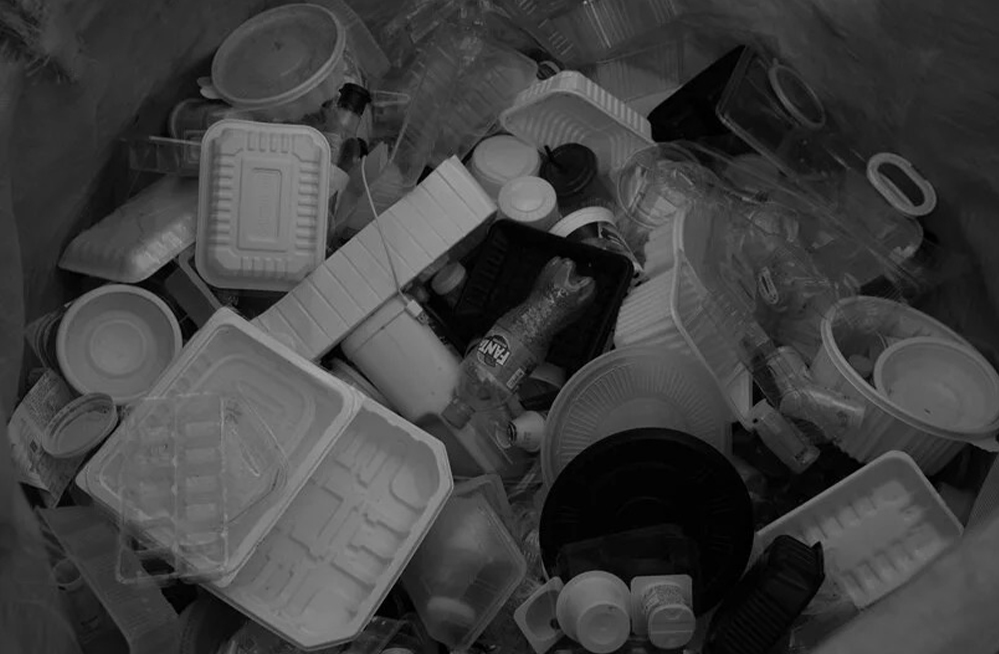
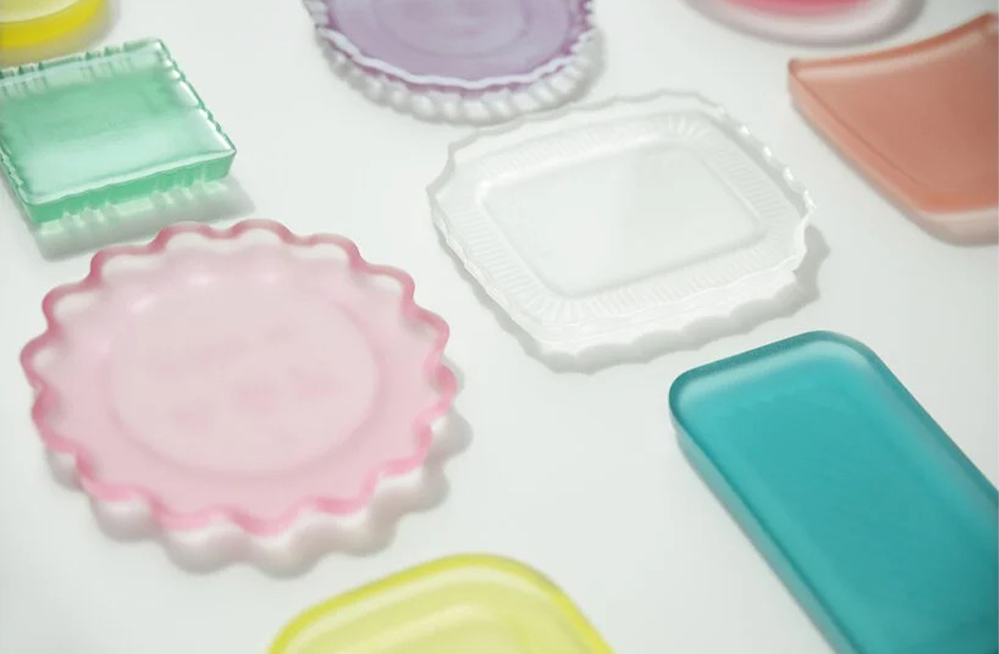
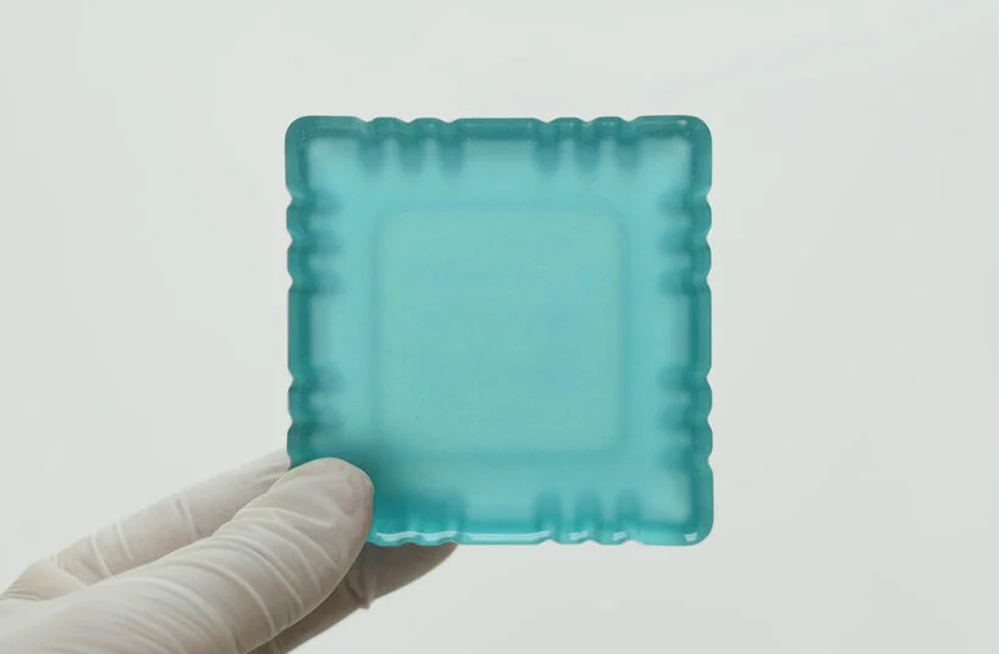
Egosystem began with a project titled Birth, which was presented through ADAO. During the pandemic, I was struck by the overwhelming increase in plastic delivery containers. To express this, I used the containers as molds to create resin objects, which received a positive response. While many upcycling projects focus on processing waste into new raw materials, I often felt the results became mere “souvenirs.” I wanted to take a more message-driven approach rather than a purely material-based one, which led to the creation of Egosystem.
Can you share a bit more about how the Dip series connects to your idea of casting memory?
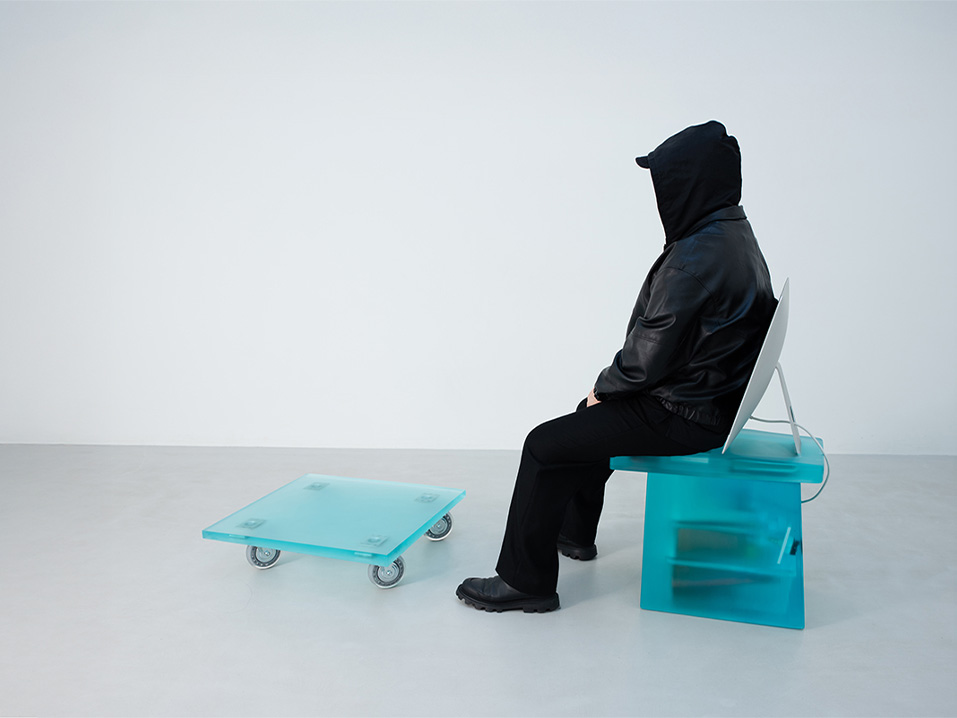
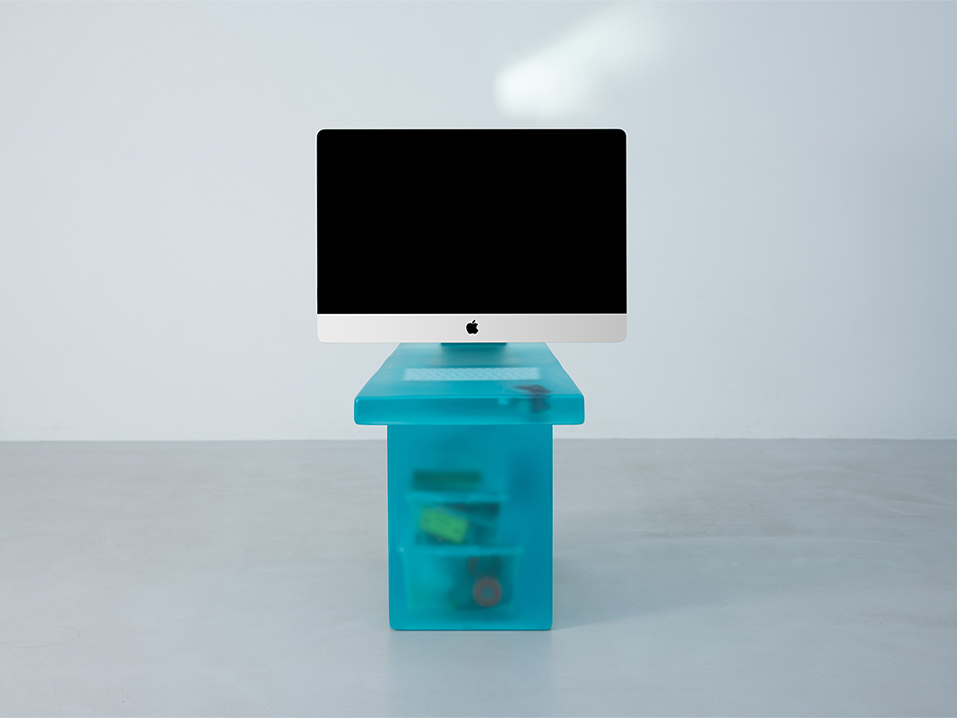
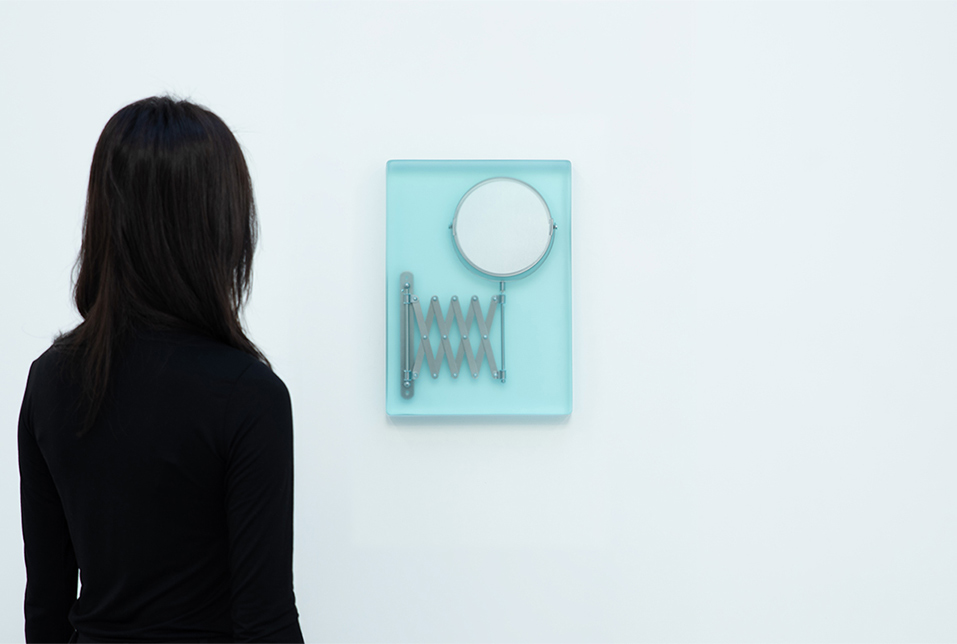
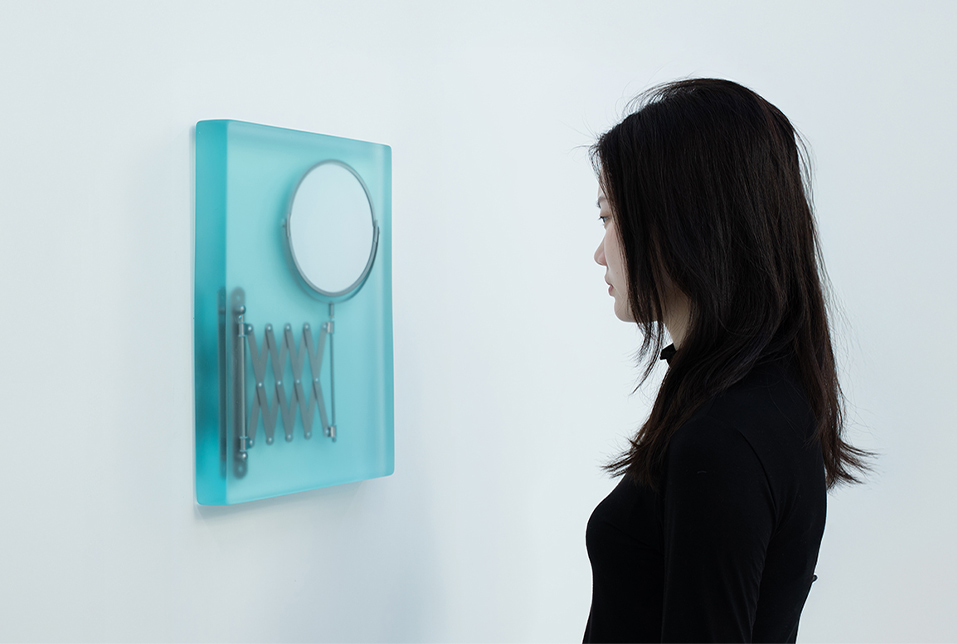
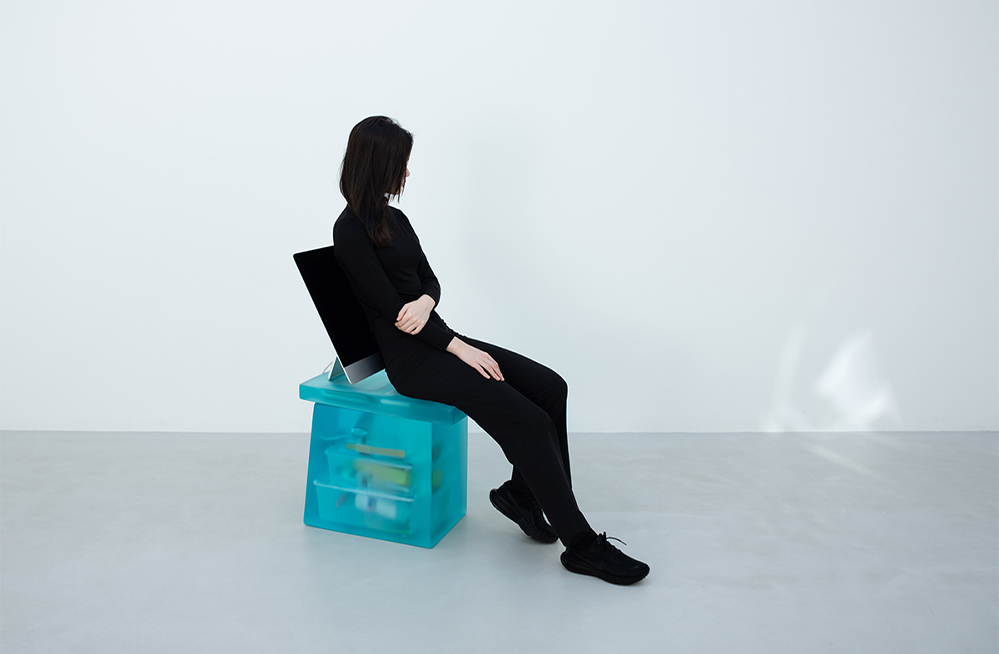
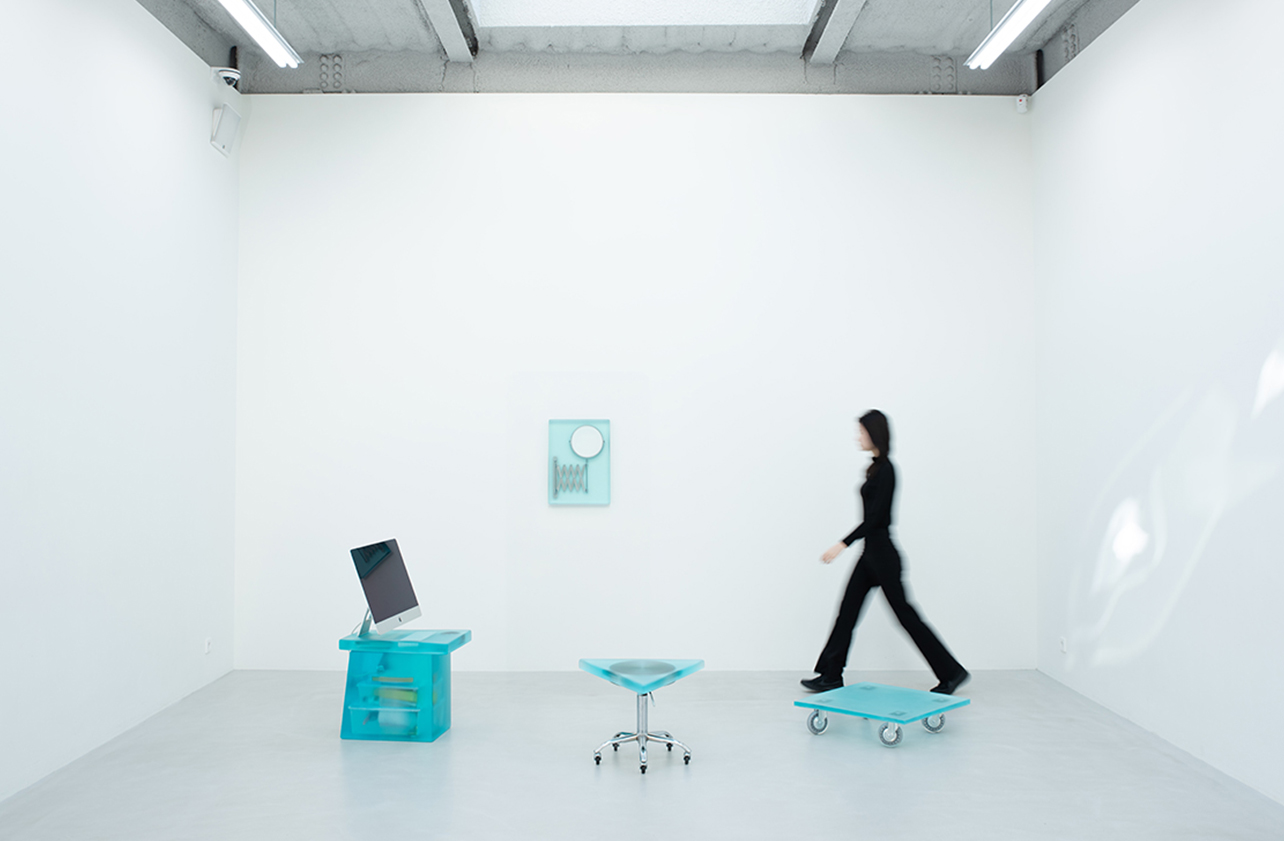
Objects naturally become vessels for human memory. We share countless moments with the things we use daily, yet once they are discarded, we never see them again. Conventional recycling usually dismantles and destroys objects to reclaim materials, erasing the memories attached to them. While such processes are necessary, I wanted to approach reuse differently as an artist. If an object can serve a new purpose while retaining its original form, the memories embedded in it may remain—if only as a faint silhouette.
The resin blurs and distorts the object within, how intentional was that loss of clarity?
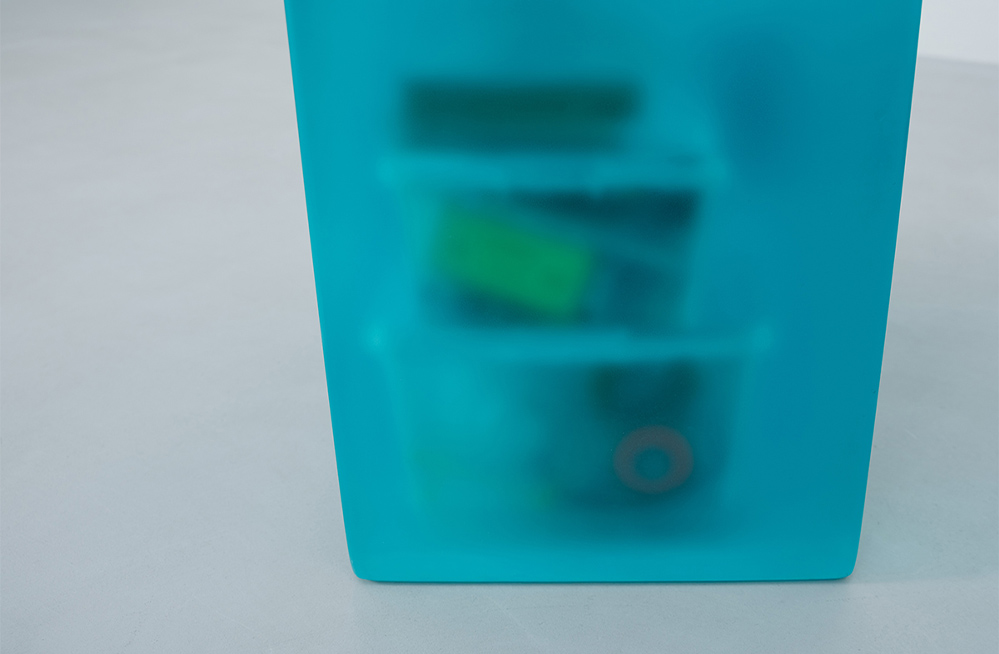
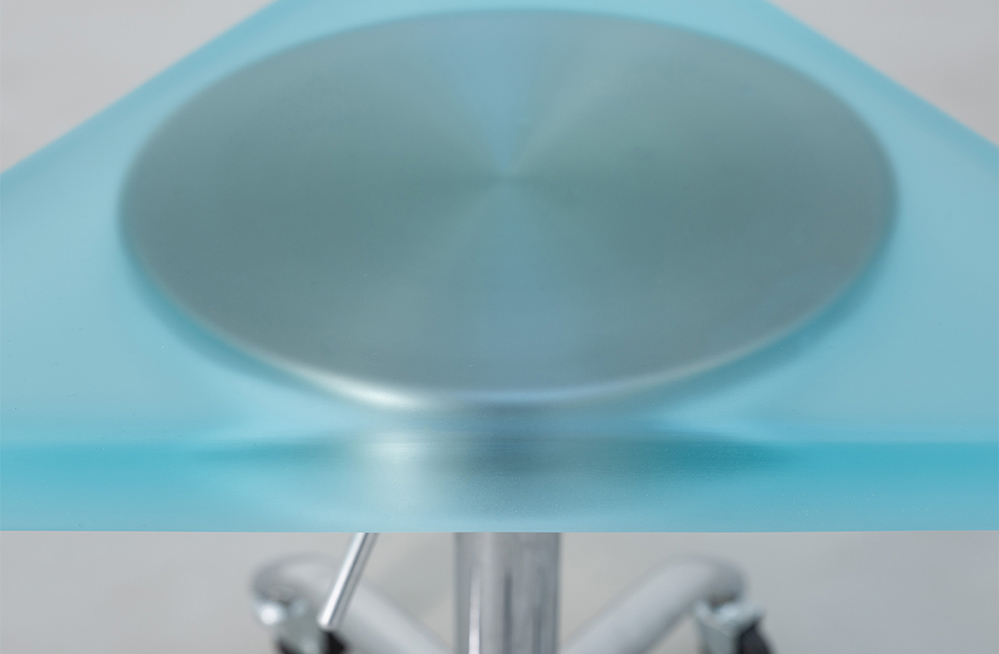
One reason I work with resin is the ability to control transparency. Human memory consists of both vivid and blurred moments. For example, the computer screen we look at every day may remain sharp in our memory, while the underside of the desk or nearby objects feel more distorted. Resin allows me to express these gradients. By adjusting pigment concentration and the level of sanding and polishing, I can create a wide range of clarity and distortion.
You once designed devices for use at Samsung and ADAO, what led you to start using similar objects as material instead?
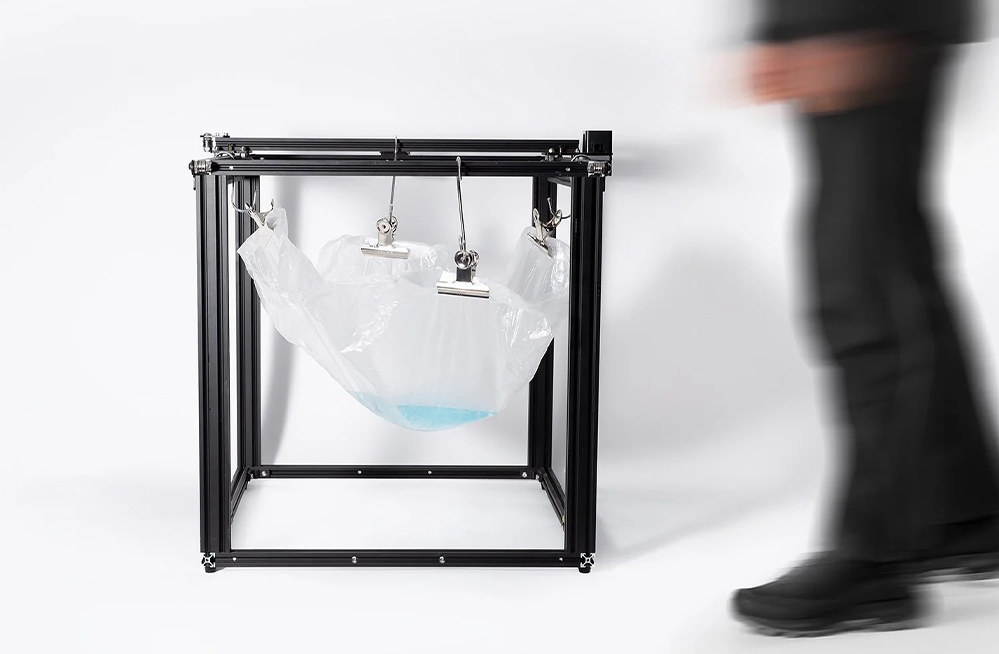
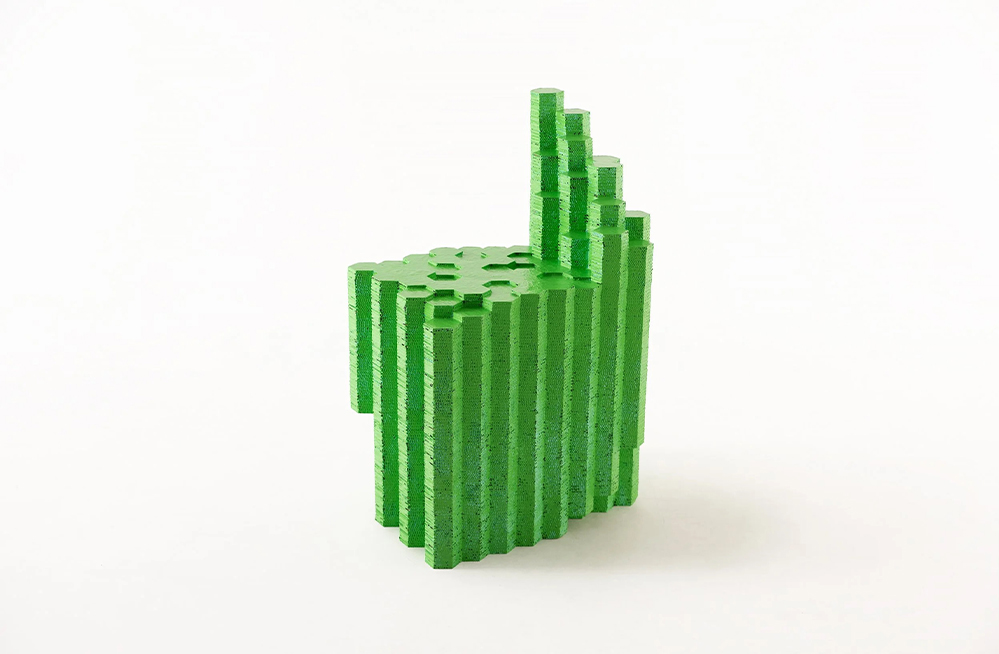
As I mentioned earlier, watching nearly identical products being replaced again and again created a sense of regret. These products are not just materials—they are objects filled with memory. People often discard perfectly functional items simply because their feelings change. This observation became the starting point of Egosystem. Beginning with delivery containers (Birth), plastic film (Iceberg, Icelake), and corrugated cardboard (Strata), the work eventually evolved into using discarded products themselves (Dip).
Finally, what do you hope people think or feel when they encounter your work?
I hope viewers feel both a sense of familiarity and strangeness.
Where can people find you?
One of my upcoming projects involves the iPhone. I am also currently discussing collaborations and exhibitions related to Egosystem with various corporations and private collectors.
Instagram: @studio_egosystem
Website: limwootek.kr