Yann Militon
What’s your name and where are you from/based?
My name is Yann Militon. I grew up in the South of France and I’m now based in Paris.
Can you describe your practice in a few words?
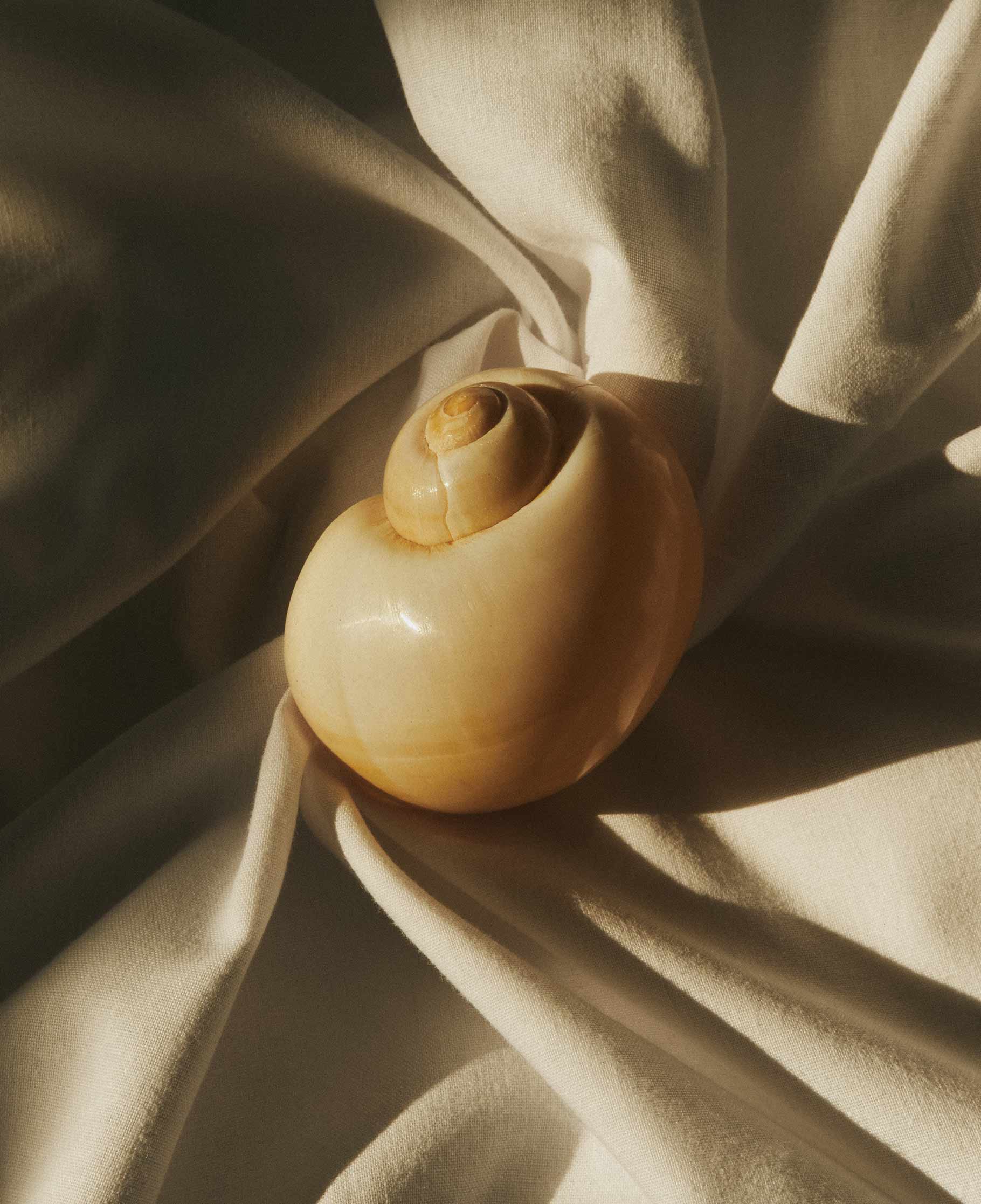
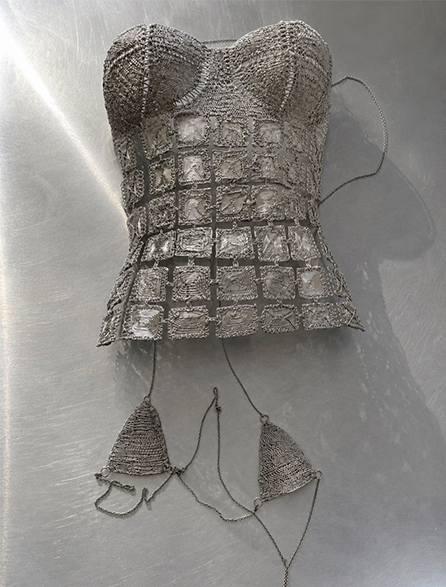
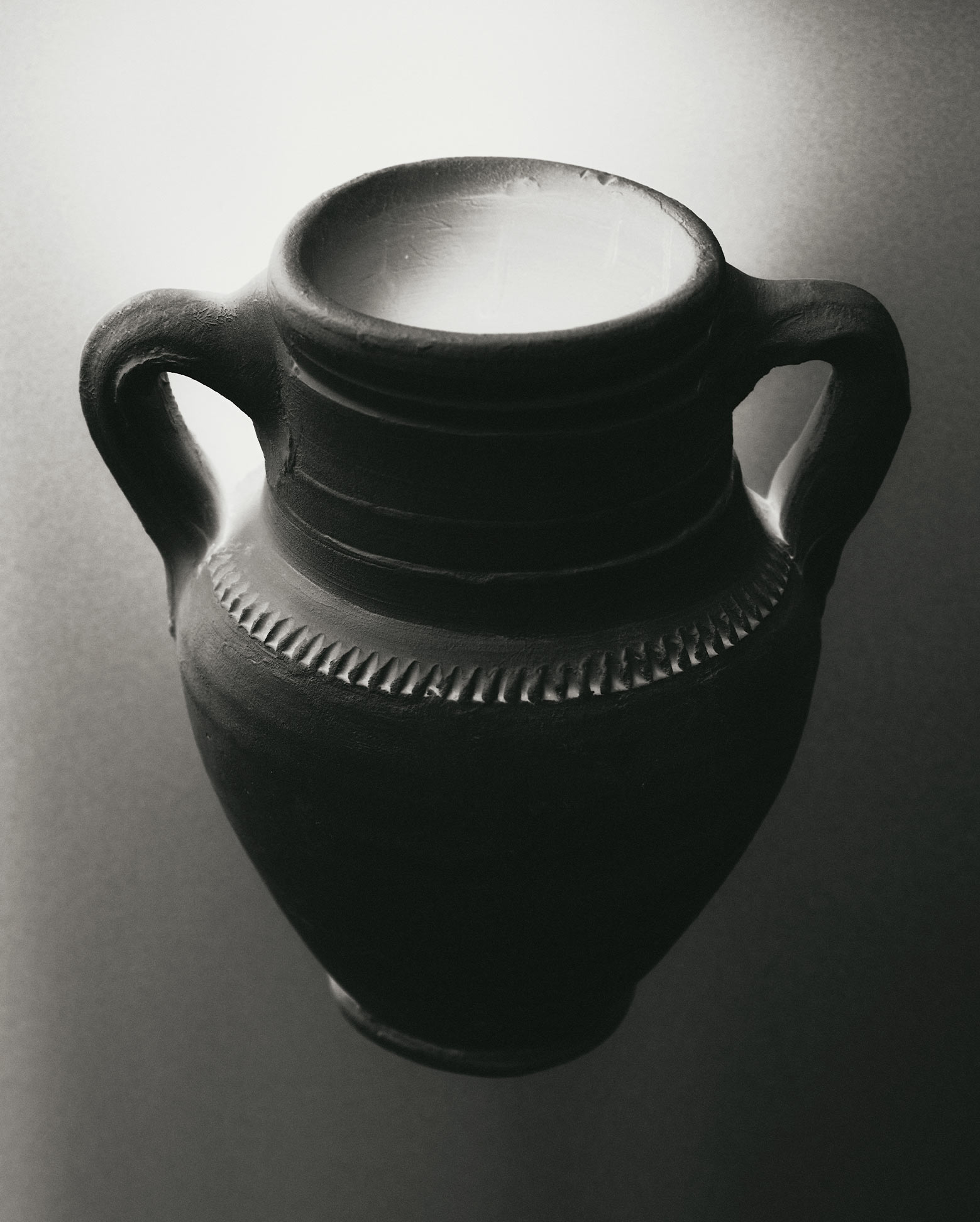
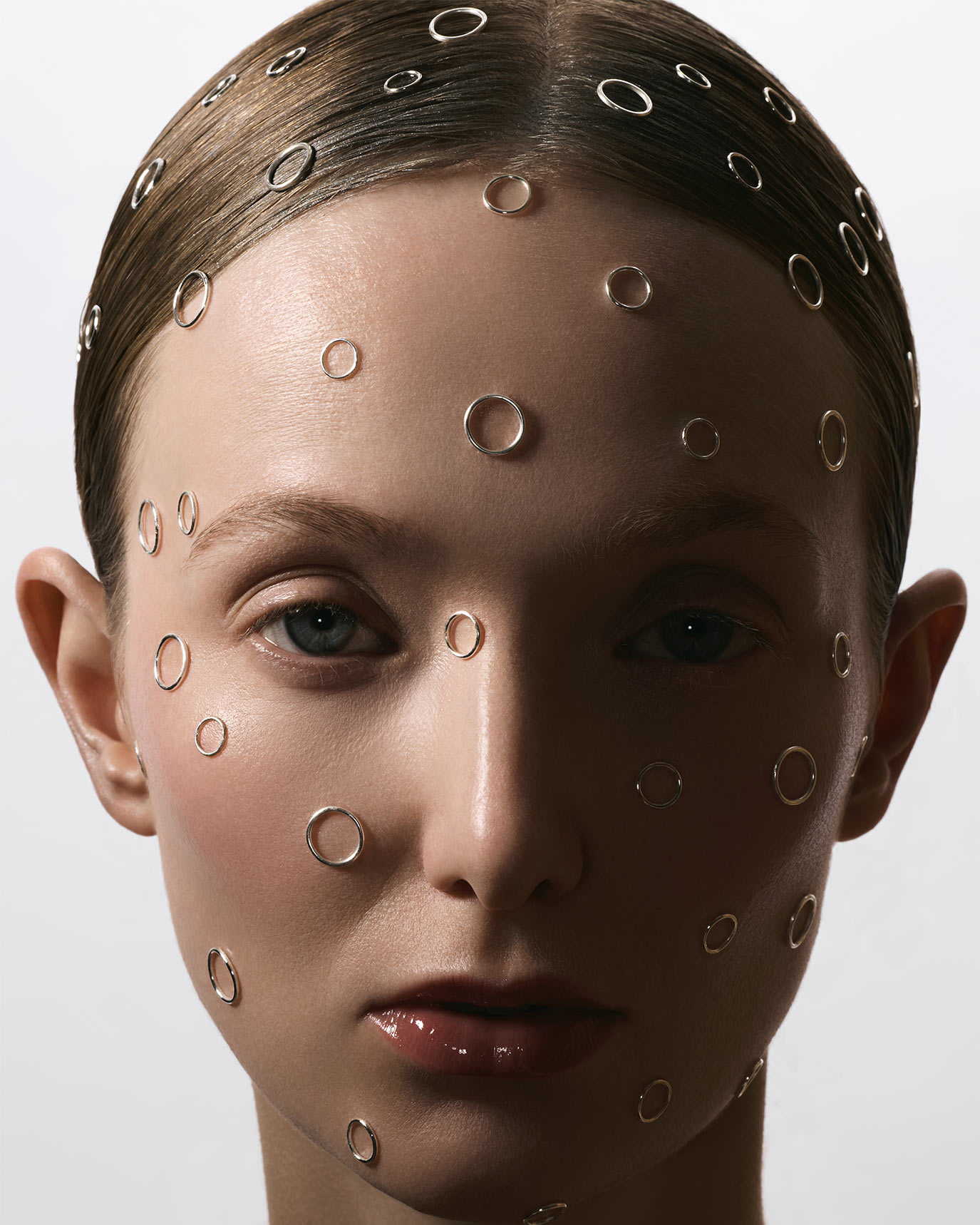
My work moves between still life, beauty and fashion, trying to reveal traces, gestures and tensions through light and matter. I explore how bodies and objects can become landscapes.
You grew up in the landscapes of the south of France, what early experiences shaped your artistic vision?
Growing up in the south meant being surrounded by slow, open landscapes. The light there is slow, horizontal, almost sculptural. Everything felt still: the rocks, the heat, the silence. I think I learned to look before I learned to photograph. Those textures, those long summers, the dryness, the brightness, they formed my instinct for observing surfaces and small details.
You later moved to Paris’s intensity, describing it as nourishing yet unsettling, how does this contrast influence you?
Paris brought a completely different rhythm. It’s dense, fast, overwhelming at times, but I realized that this tension was also nourishing. I think my work sits between these two worlds: the calm of my childhood and the tension of the city. One gives me slowness, the other gives me pressure. Together they shape the way I look and the way I compose images. I need both.
Do you notice recurring subjects or themes you’re drawn to in your photography?
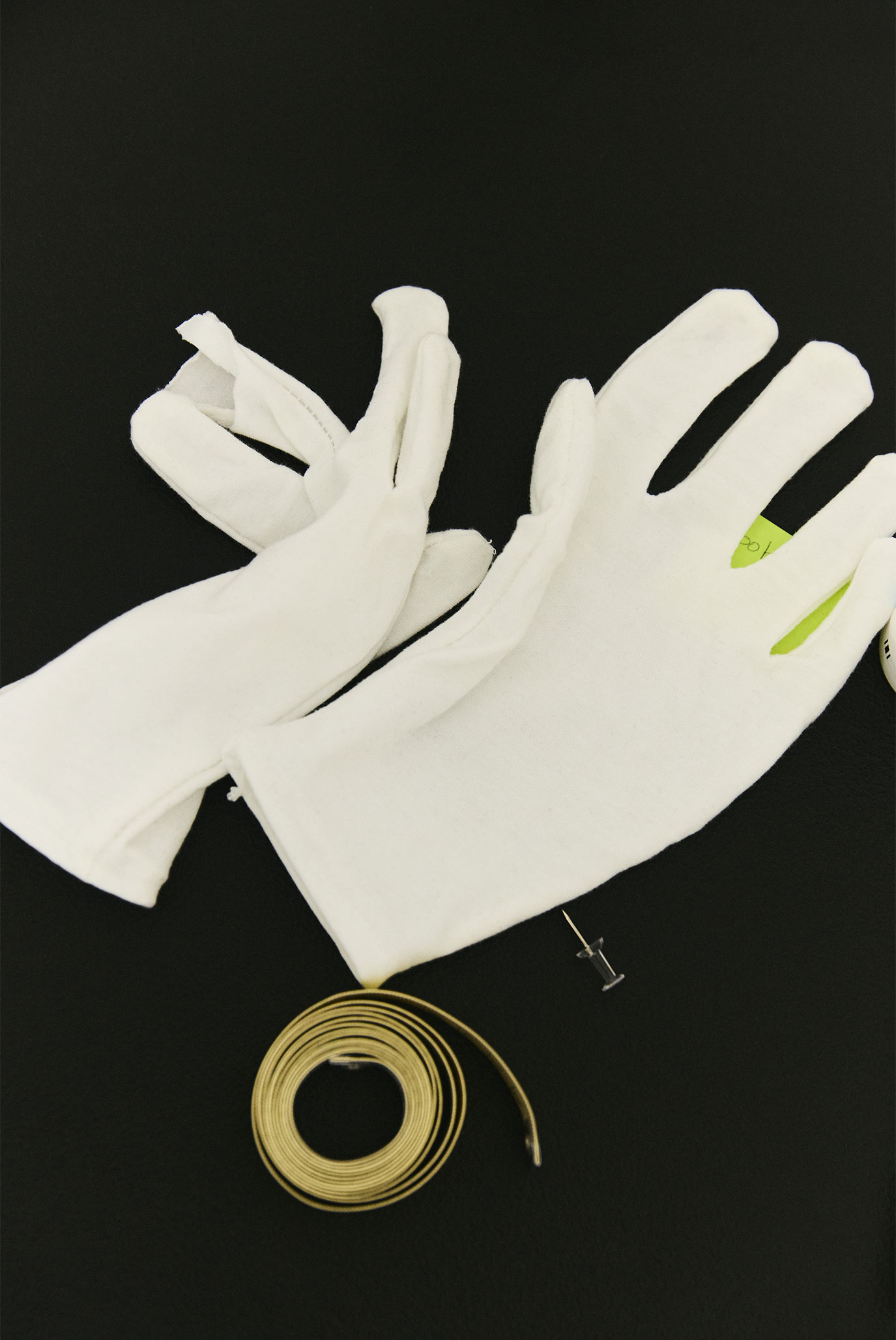
I often return to the idea of traces. What time leaves behind, what gestures inscribe, bodies that turn into shapes, what the body or an object carries without showing it directly. I’m also drawn to contradictions: softness and pressure, beauty and discomfort, presence and absence. I like when an image shifts between tenderness and tension, when something familiar starts to feel strange.
In Réminiscences, you describe memory as porous. What remains when memories don’t form clear images?
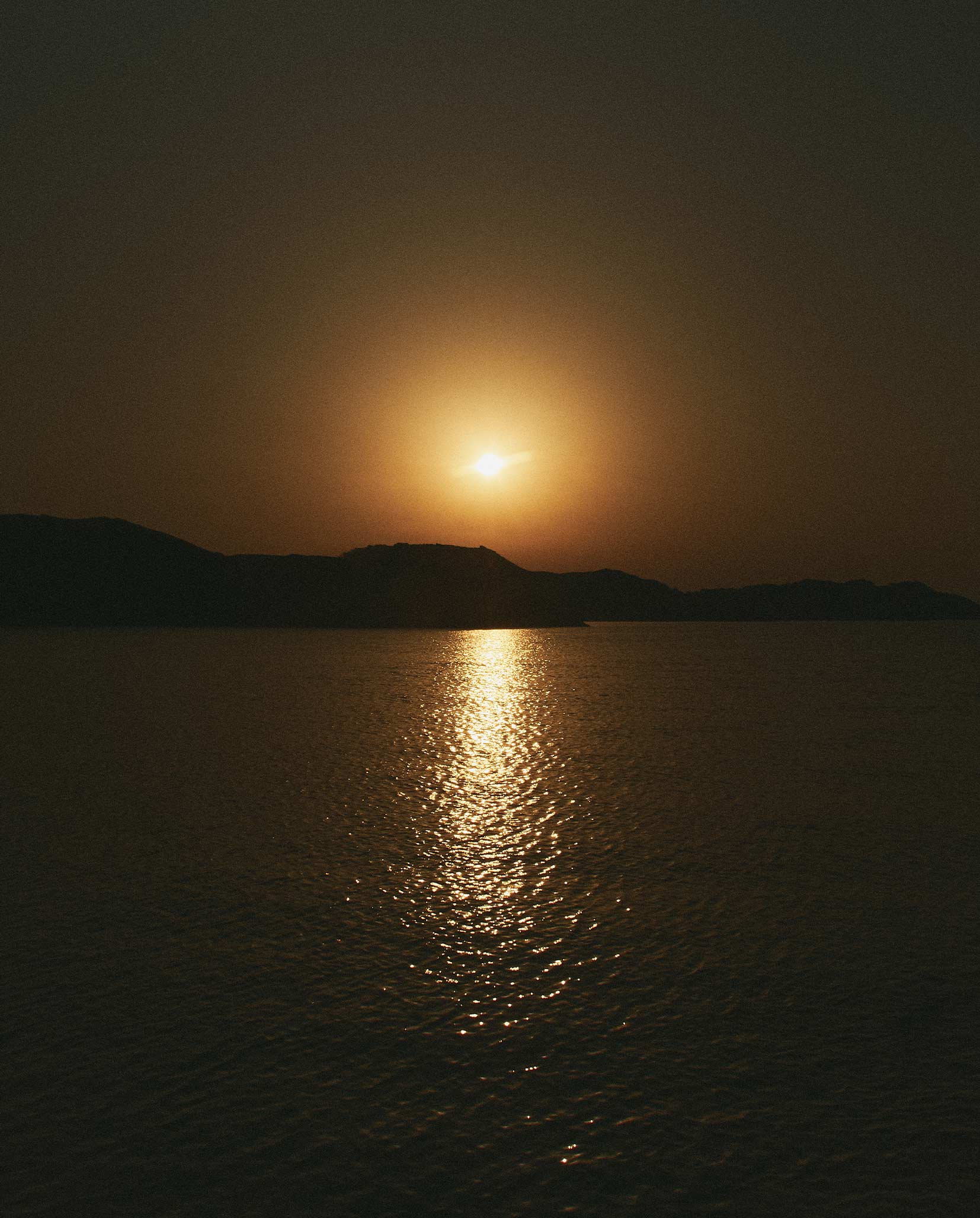
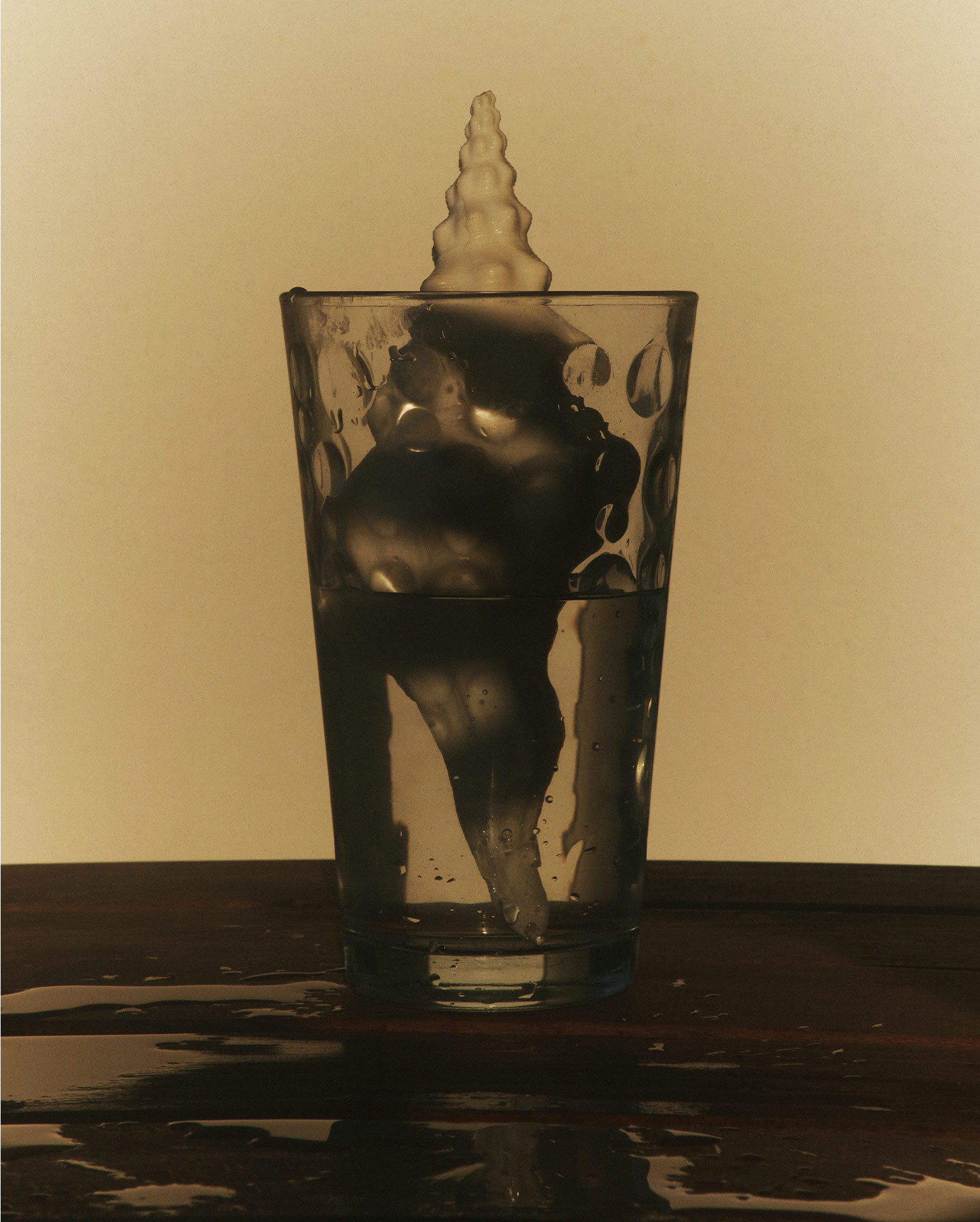
Certain memories stay fluid, unfinished, almost like sensations. I rarely remember things clearly, but I remember light, air, textures, colors and atmospheres. I’m interested in how memory doesn’t preserve, but transforms. It shifts, it erodes, it becomes something else. The series follows that instability.
It was photographed in Paros, which slowed your vision. What does slowness allow you to reveal?
Slowness allows space for details to appear, for small things to become significant. When time stretches, you see surfaces differently, you notice the erosion of a stone, the vibration of light on water. It’s a way of looking that doesn’t force anything. In Paros, things felt quiet enough for objects to speak on their own. Slowness reveals what only appears when you look for a long time.
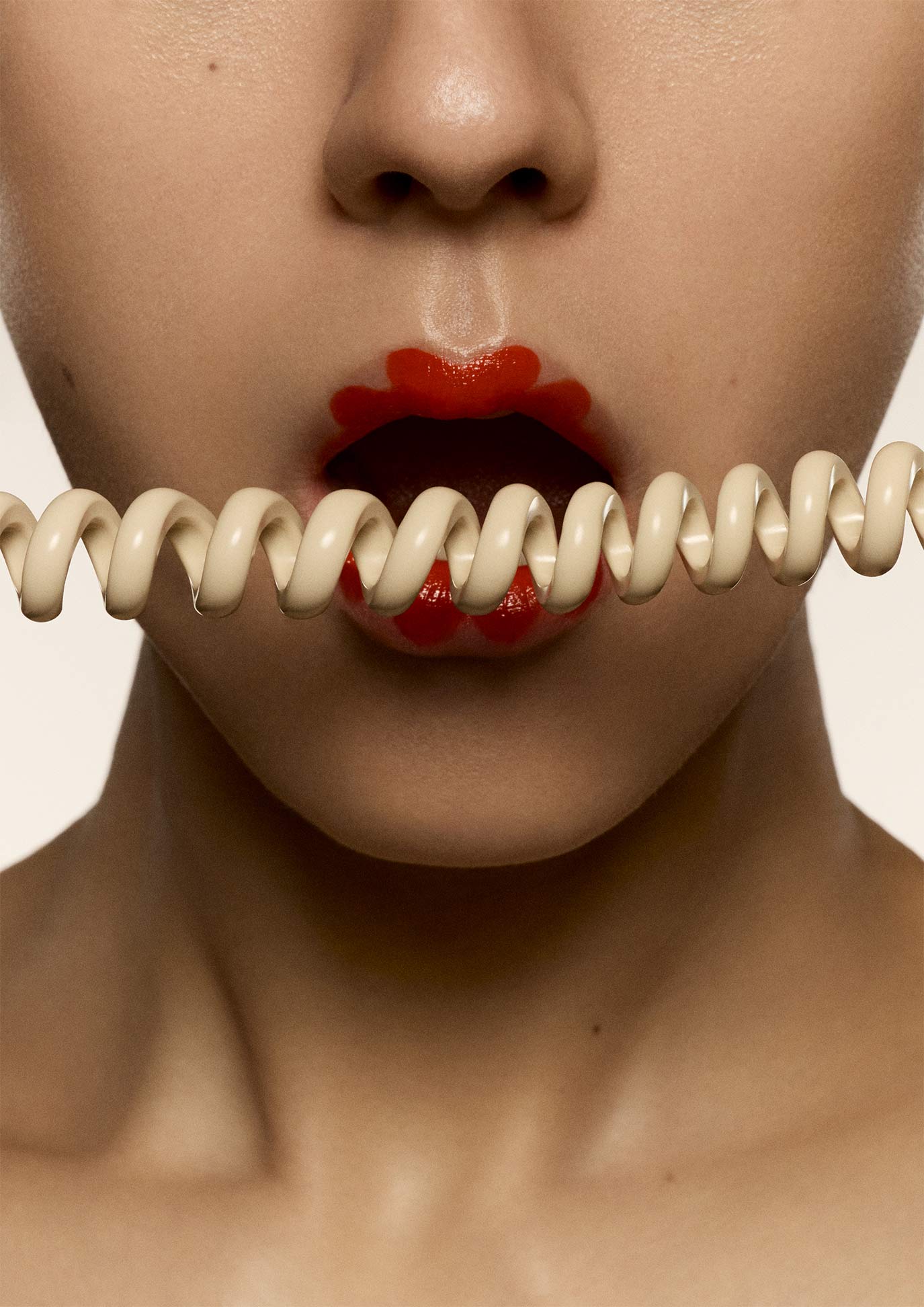
Pillow Talk explores intimacy when faced with distance, a long distance relationship, however it may be interpreted. Do you think physical absence can sometimes bring us closer? When communication tools like phones become the primary form of connection?
I think distance changes the way intimacy is experienced. When touch disappears, words or voices become charged with meaning, and attention becomes sharper. The body becomes something imagined,
reconstructed. In a way, absence forces us to pay attention to what remains: tone, hesitation, silence. It’s another kind of closeness. Pillow Talk is about that tension: desire traveling without touch, connection shaped by sound, distance, and imagination.

How does Under Pressure change the way you think about beauty?
Working on Under Pressure pushed me to see beauty not as something polished, but as something in tension. The skin becomes a surface that reacts, holds weight, resists. Beauty stops being decoration and becomes matter, force, sometimes even discomfort. It’s a more vulnerable way of looking.
Where can people find you?
You can find me in Paris most of the time, and also online:
Website: yannmiliton.com
Instagram: @yannmiliton
Upcoming projects will also be shared there.