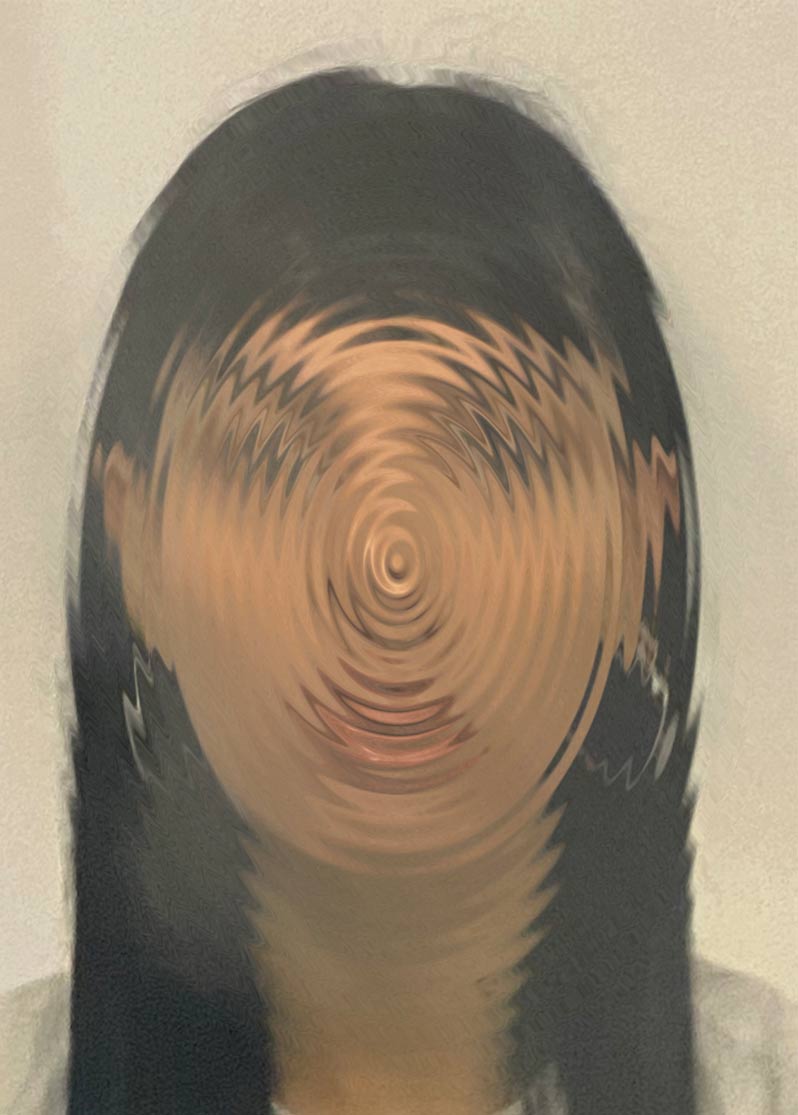
Ylaria Pavone
What’s your name and where are you from/Based?
Hellooo, my name is Ylaria and I currently live and work in Milan, with the constant dream of leaving.
You work with expressive, natural materials like glass, often letting their form speak for itself, what draws you to these materials, and how do they help tell the stories behind your objects?
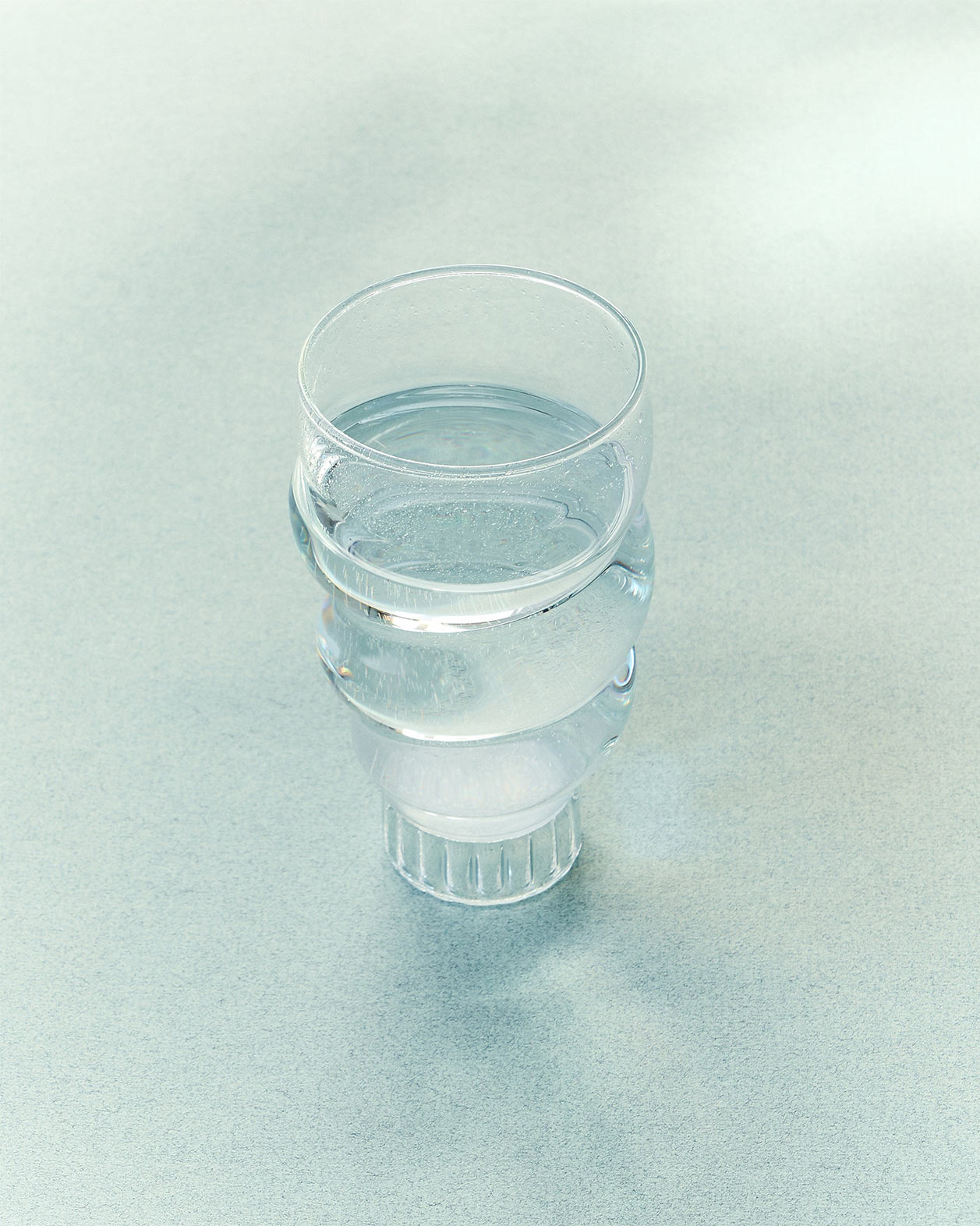
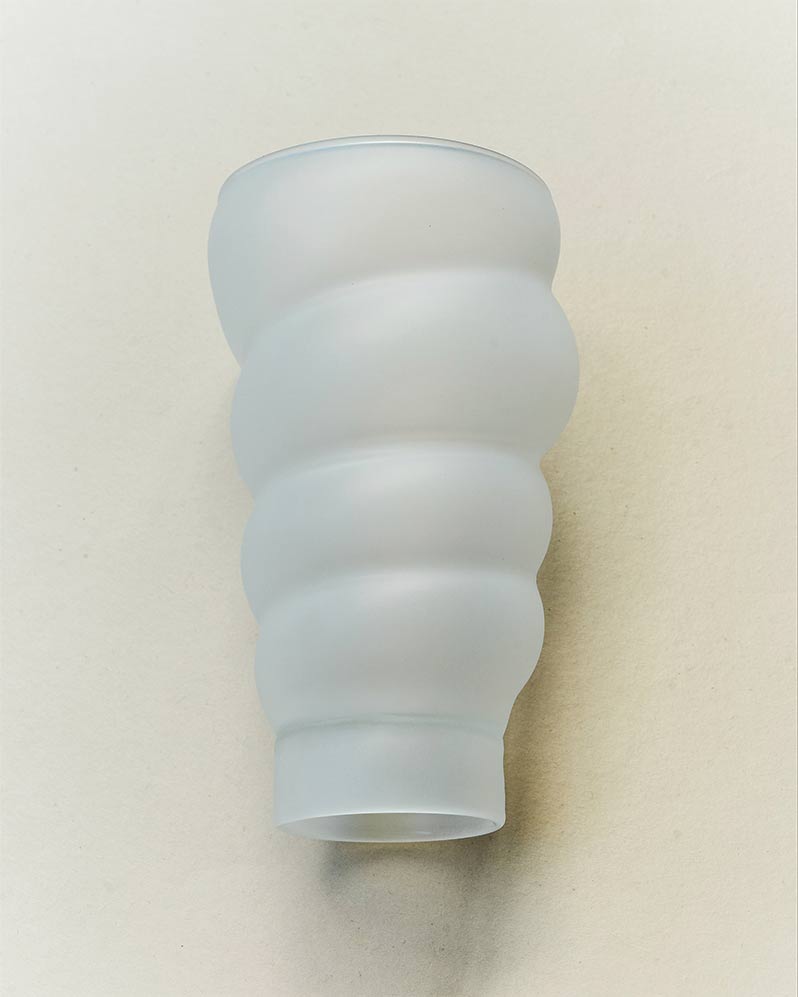
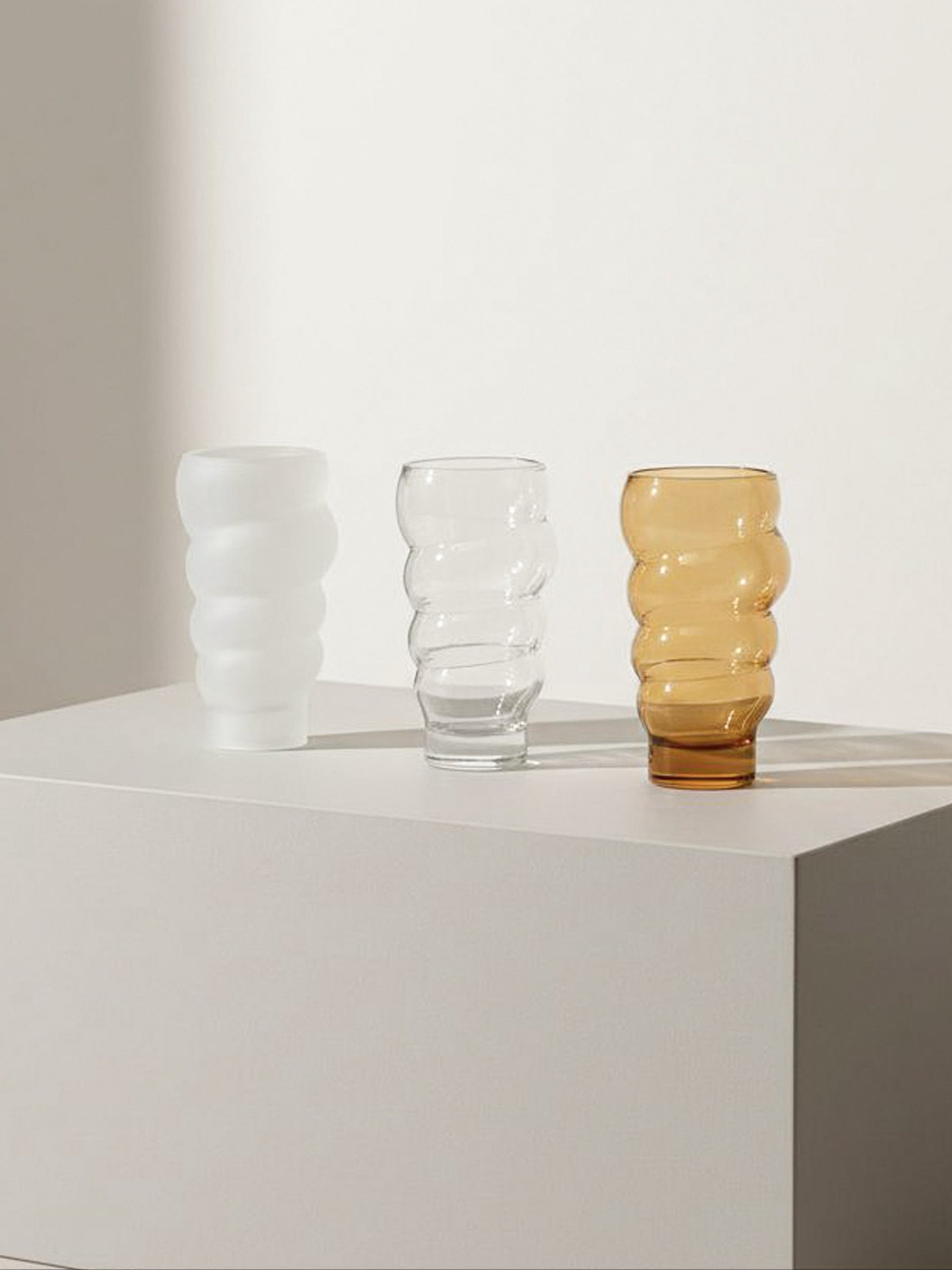
Natural materials are at the center of my work. Often, it’s the material itself that suggests the direction to take, while other times it becomes an obstacle. That’s the case with Paguro: creating a spiral in glass without using a mold is a real challenge. After a lot of research, we managed to adapt an old Italian craft technique to our advantage. For Paguro, I wanted a daily-use object that could also be poetic and symbolic — and there’s no better material than glass to express the delicacy and beauty of daily life.
Has your definition of design changed since you first started working? If so, how?
As a child and teenager, I was obsessively drawn to art, without a real reason. No artists in the family, no creatives. This inner passion brought me closer to design, because deep down I wanted to be something different from an artist — I didn’t fully see myself in that role. I wanted to be maybe something more, but with the same intuition and passion I saw in artists.
However, that first vision was soon challenged by the dominant ideals in the design world, where everything seems to have to be monochrome, measured, and above all extremely functional to be considered “real” design.
Thanks to one of the studios I worked in, I found the freedom to look at things from a different perspective.
I don’t think we designers are artists, but I believe we’re much closer than we often admit. We serve people, of course, and we respond to real needs. But many times, that need comes from inside us first: whether it’s functional, aesthetic or poetic, it starts from a personal intuition.
And this idea of design — more open, human, and less tied to rigid rules — is the one I truly identify with.
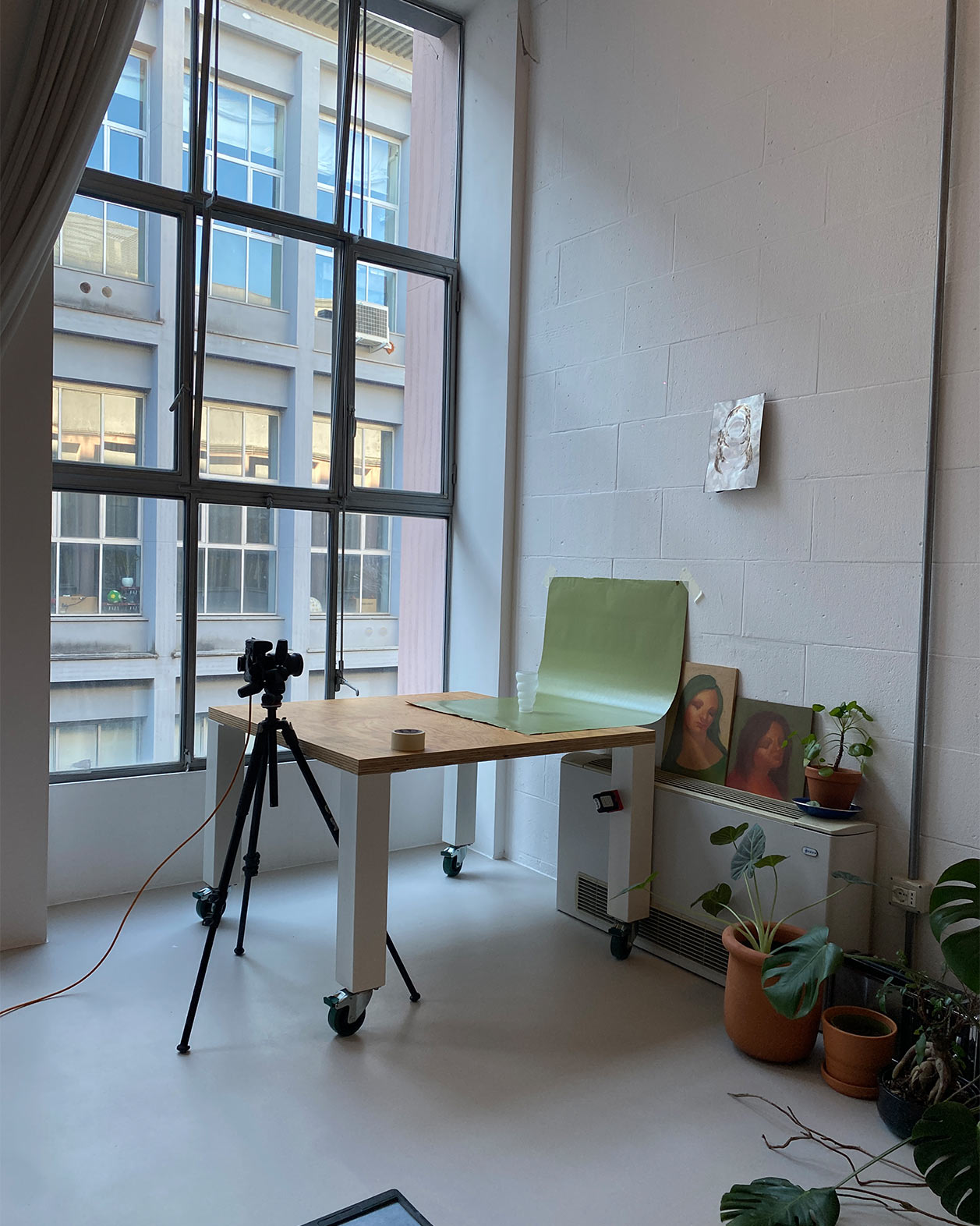
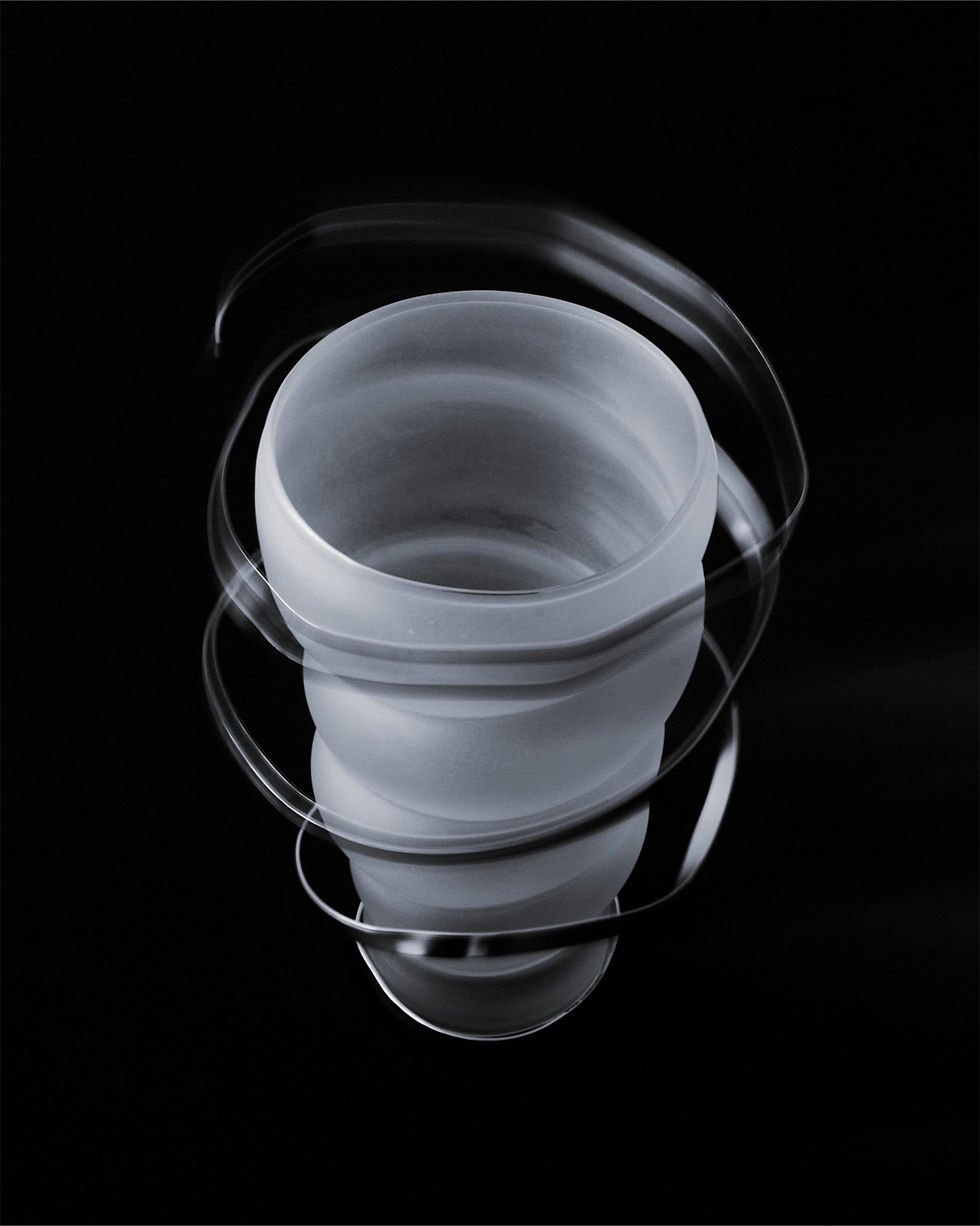
With Paguro, you transform a glass into something poetic and symbolic. How did the spiral become your way of expressing evolution and transformation?
I don’t exactly remember the moment I decided to go beyond the limits of glass shaping.
I only know that Paguro was born in a time when I wasn’t afraid: not of life, not of challenges, not of the future. I designed it with the awareness — almost a vision — that one day it would enter homes, the daily lives of strangers and loved ones, becoming a silent part of their gestures.
I feel deeply connected to this project, not only for its aesthetics, but because it’s the result of detailed research, both on the material and on the production process.
I like to think of Paguro as something potentially infinite: a spiral that could go on for kilometers, without ever stopping. That would be wonderful — and a bit crazy.
Infinity, transformation, evolution, and sensuality: these are the elements I wanted to include in Paguro.
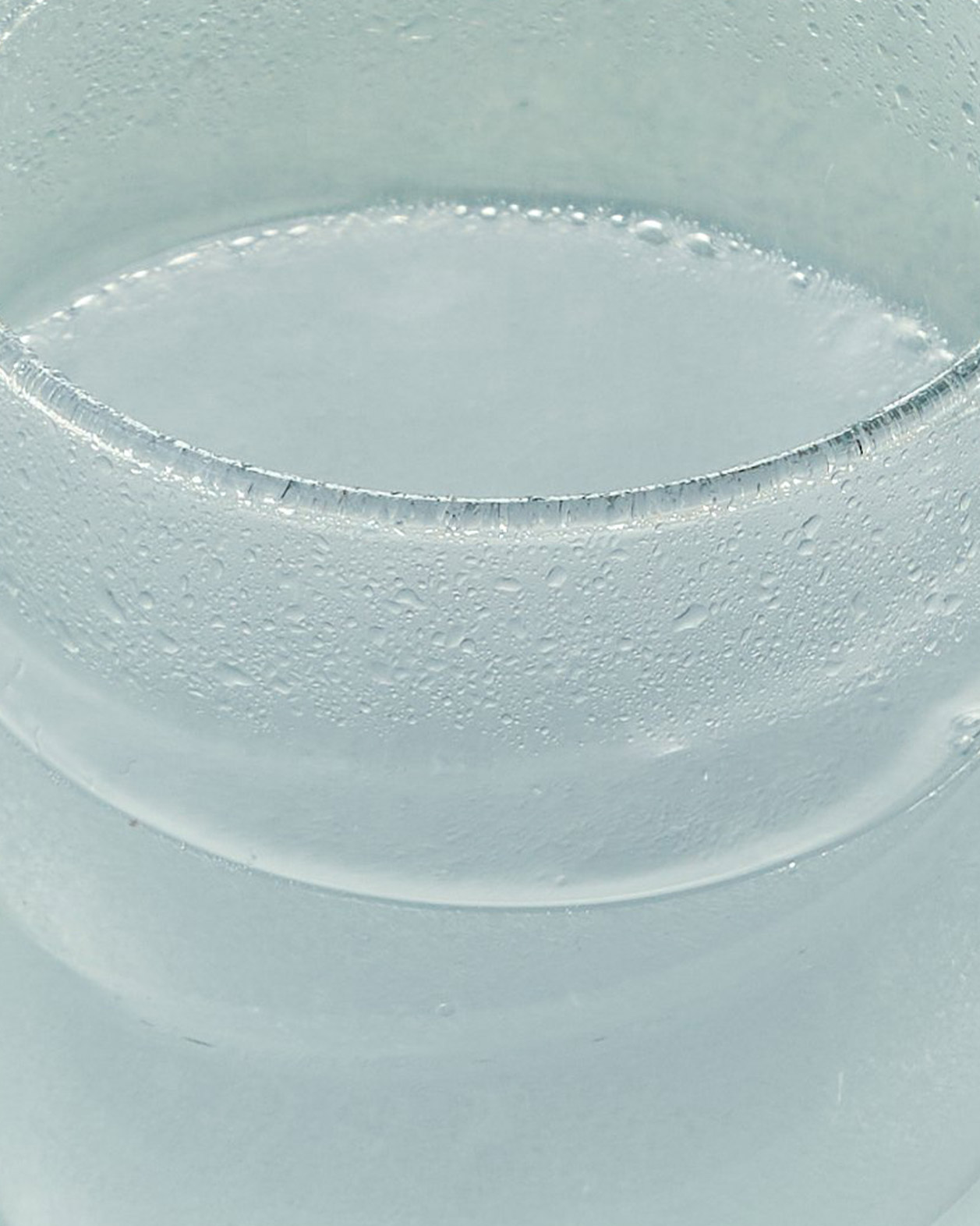
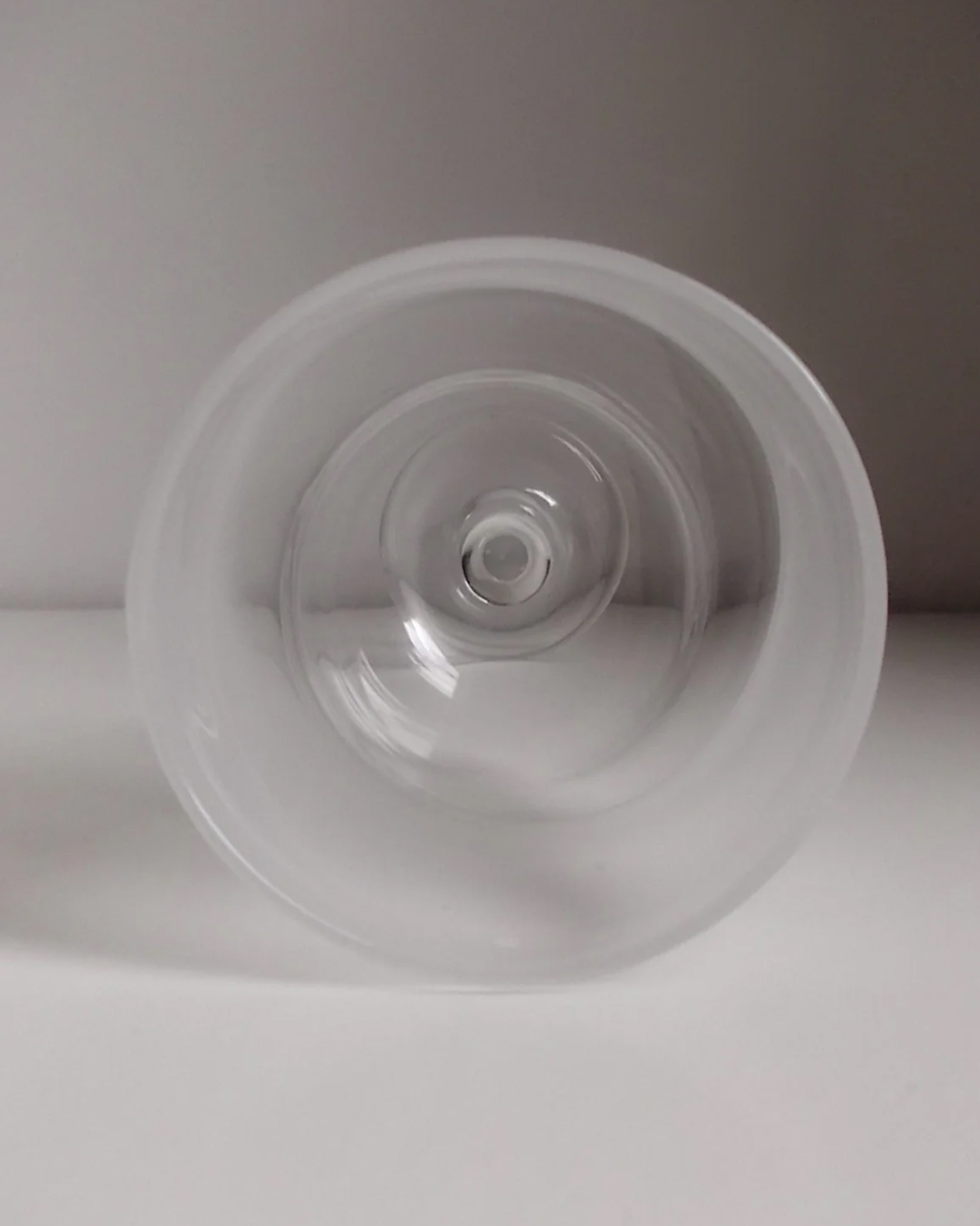
The sea, shells, and waves seem central to this project. What draws you to the natural world as a source of form and metaphor?
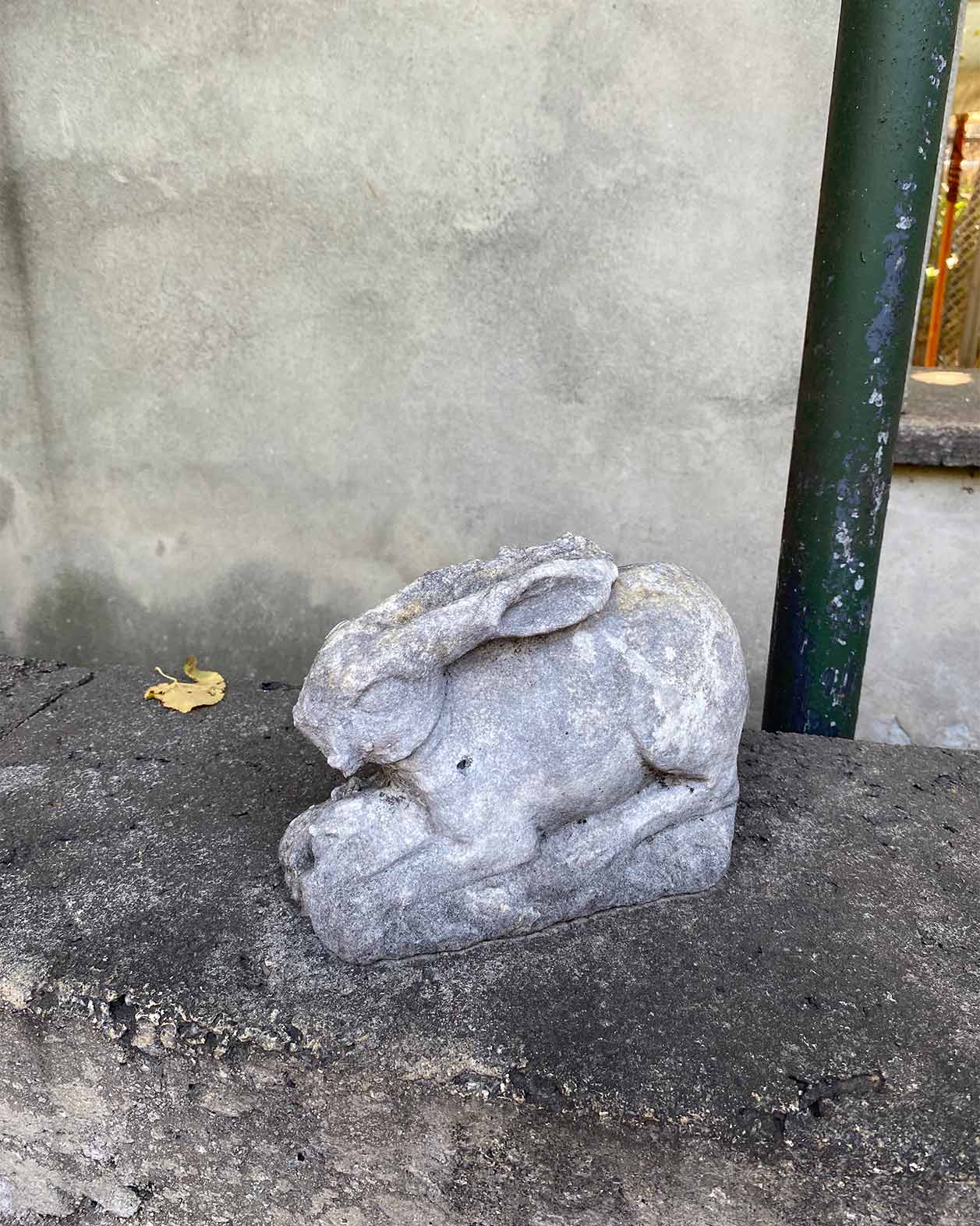
Take the hermit crab for example: its shell is not just a shelter, but a real home that the animal carries with it, fitting perfectly inside. A simple and extraordinary gesture at the same time.
Nature is amazing, and has always been the most powerful source of inspiration for designers, engineers, and architects, who have looked at its mechanisms as a model to learn from.
In this project, it was the sea that guided me: its movements, its transformations, the passing of time that shapes and leaves traces. That’s where my inspiration came from.
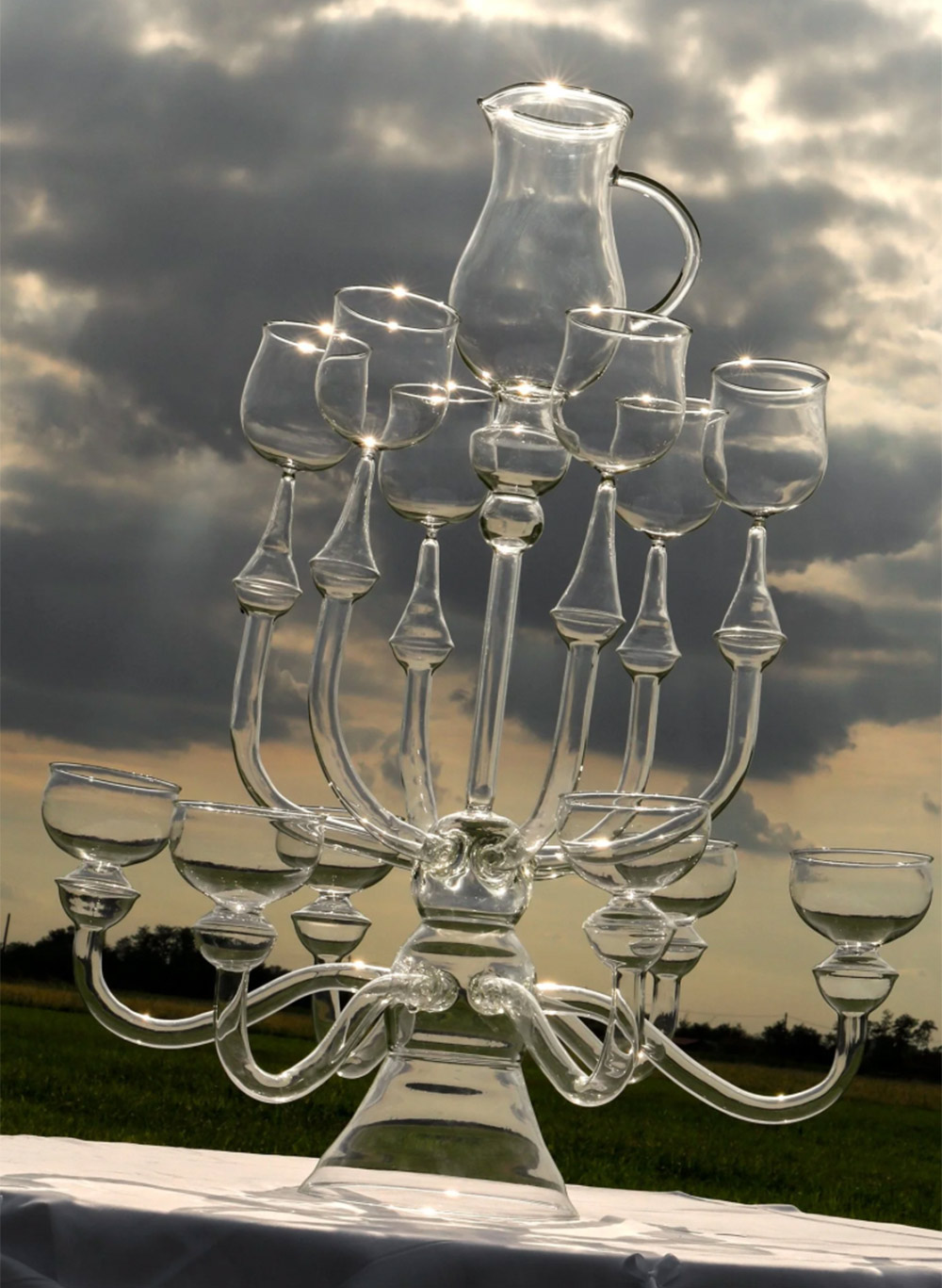
With Dinner’s Ready, you turn the act of sharing into something theatrical. What sparked the idea to make a communal object that’s impossible to actually use?
Dinner’s Ready was created as part of an exhibition project focused on the theme of antithesis — contrast.
The heart of my work has always been telling stories about daily gestures, and in this case I imagined an elegant, spectacular, almost theatrical dinner. A dinner that suggests abundance, luxury, and sometimes even exaggeration.
Visually, I wanted to create something surreal, with dramatic lights and settings.
It’s not an easy project to explain or understand right away: it needs to be experienced in the right context.
It’s a glass sculpture that, beyond its shape, speaks about something we all relate to: the need to share.
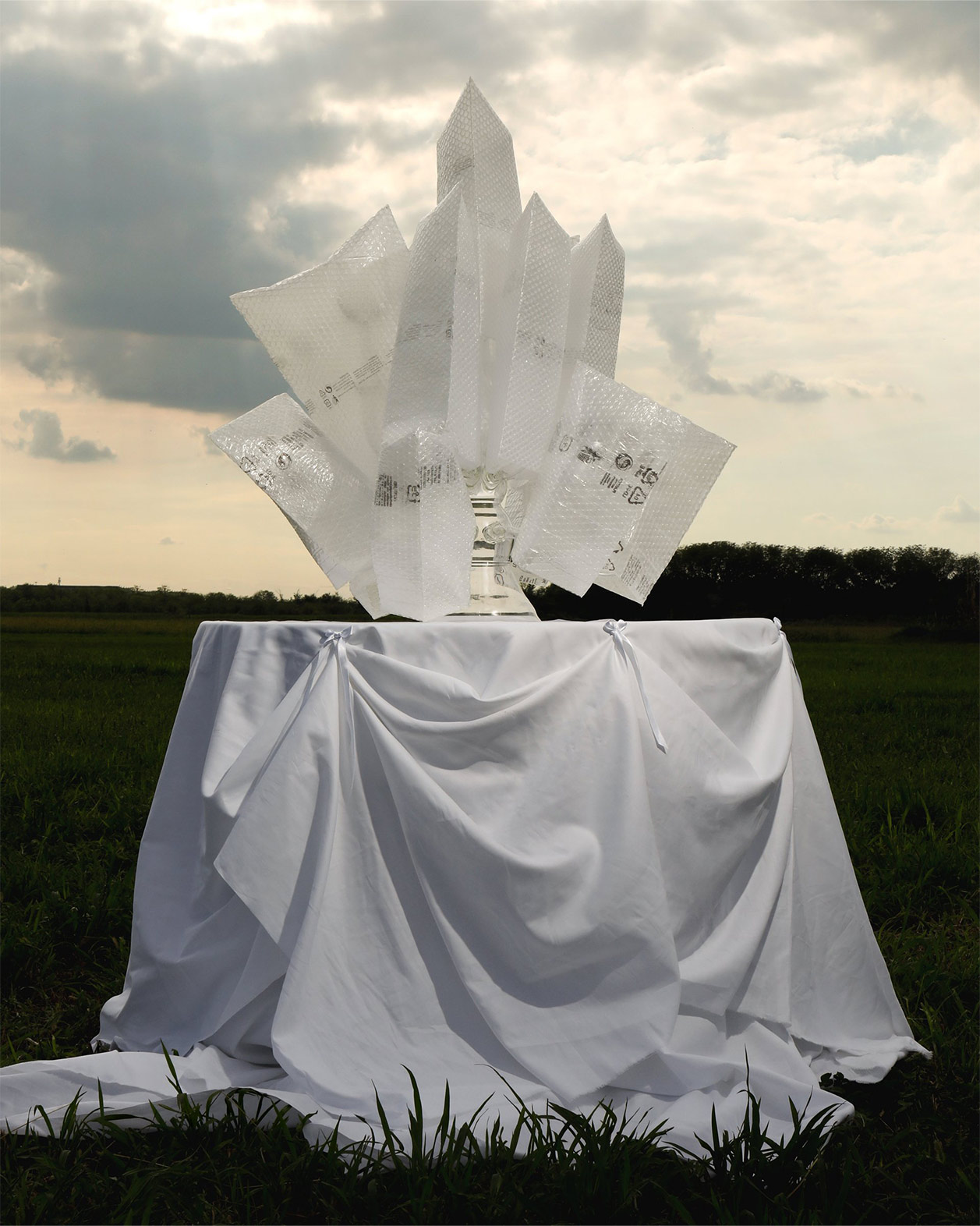
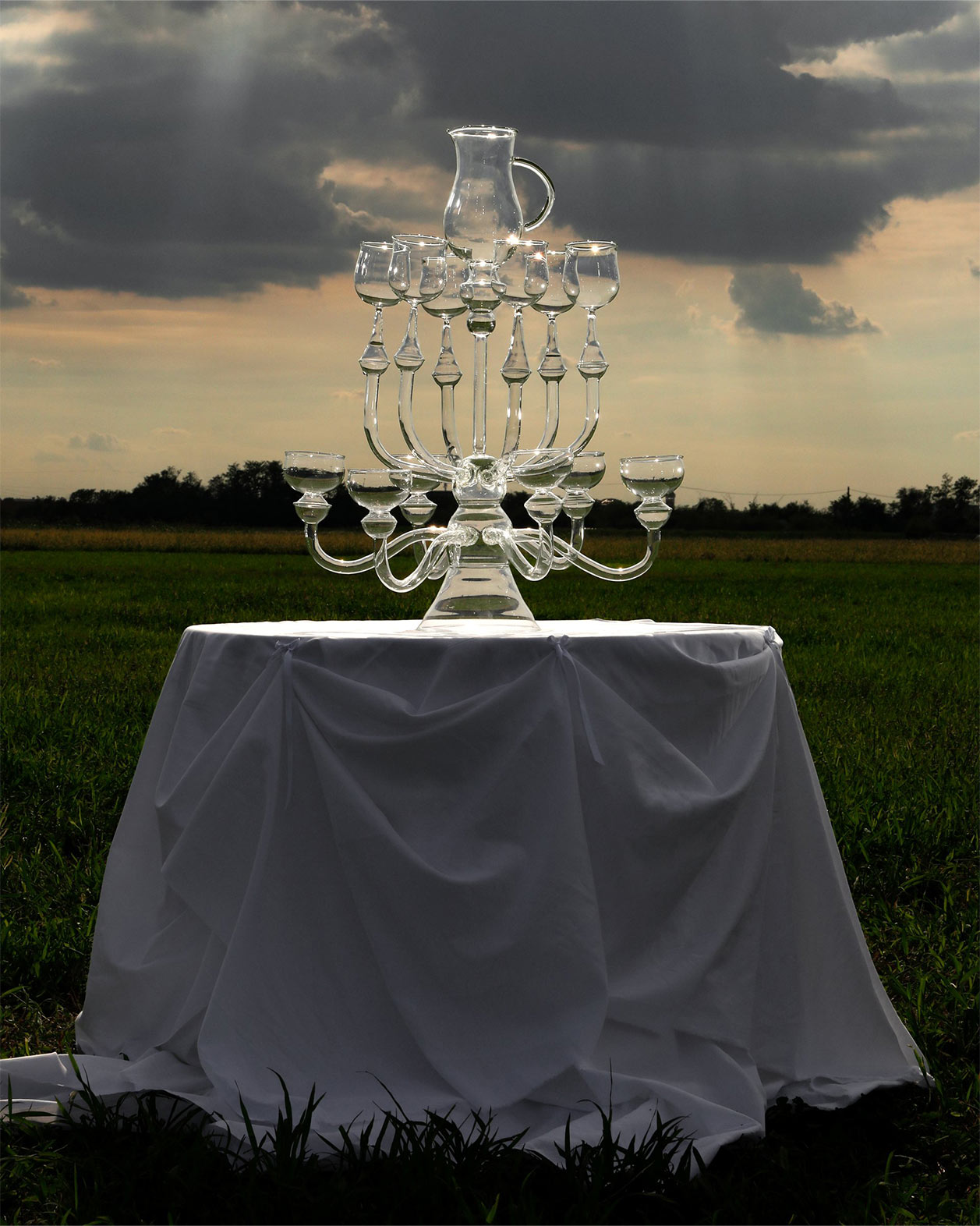
You’re inspired by the small gestures of daily life. Is there a particular gesture that recently caught your attention and made you want to design around it?
Since the beginning of this year, I’ve fallen in love with a material that I really want to bring into people’s daily lives.
I like working either starting from gestures or from materials, and then leading them to perform gestures.
I can only say that the gesture I’m interested in exploring today is the one made with a teaspoon.
Everyone eats ice cream in their own way, uses the teaspoon to stir coffee in Italy, or to eat ramen in Japan.
I’m fascinated by the idea of creating a collection of “tests” using a single material that represents the union of the gesture itself.
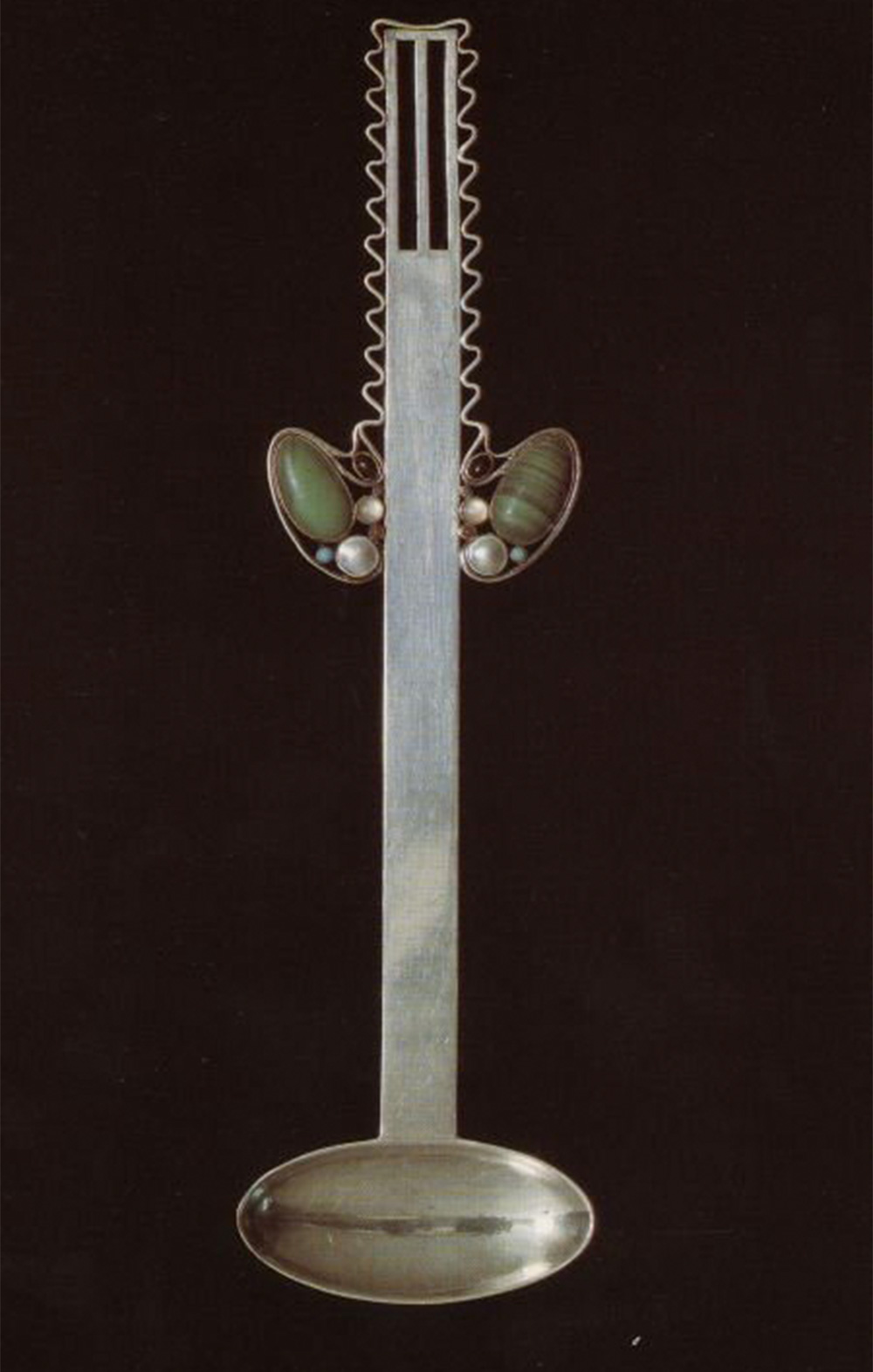
You mention that it’s important for you to express yourself in every project. How do you know when a design truly feels like you?
What makes a project important to me is the research. I love this work because it never stops teaching me. I’m someone who doesn’t get bored — I see boredom as a loss of opportunity — and I’m grateful to this job and to all the things it helps me discover every day.
I believe our work gains depth when we know all the possible ways something could be done differently — and yet we choose the one that everyone can see, touch, and have.
You seem to care deeply about detail. Is there a tiny detail in a piece that most people might overlook, but you love?
The details in my projects are more about the story than the aesthetics.
I think every designer knows how to create an aesthetically pleasing object — but for me, what gives value to the detail is always the story we try to tell.
In Dinner’s Ready, for example, beyond the aesthetics of each bowl, each glass, and the central jug, I tried to think about the detail of how they come together — which, to me, had to recall the elegance and culture of glassmaking.
What kinds of stories or feelings are you drawn to telling through objects right now?
Right now, I feel the need to talk about love.
Love for things, for passions, for dreams. Love for the simple things that make us happy.
For the past few months, I’ve been fascinated by one simple and instinctive gesture: eating ice cream with passion.
I still don’t know where this inspiration will take me, but I hope the project that comes from it will make me proud — just like the works I’ve created so far.
Where can people find you?
My website is ylariapavone.com, or you can find me on Instagram on my professional profile where I share not only my projects but also inspirational images: @ylariapavonestudio.