Zélig Davoult.
What’s your name and where are you from/based?
My name is Zélig Davoult. I’m from a small town in northern France where I spent my childhood, and I moved to Paris three years ago to join the IFM Bachelor of Arts program.
Can you describe what you do in a few words?
I’m a fashion designer (or aspiring to become one). I create garments and try to convey messages through my designs.
Your work clearly speaks volumes—when did you realize fashion could be such a powerful tool for expression?
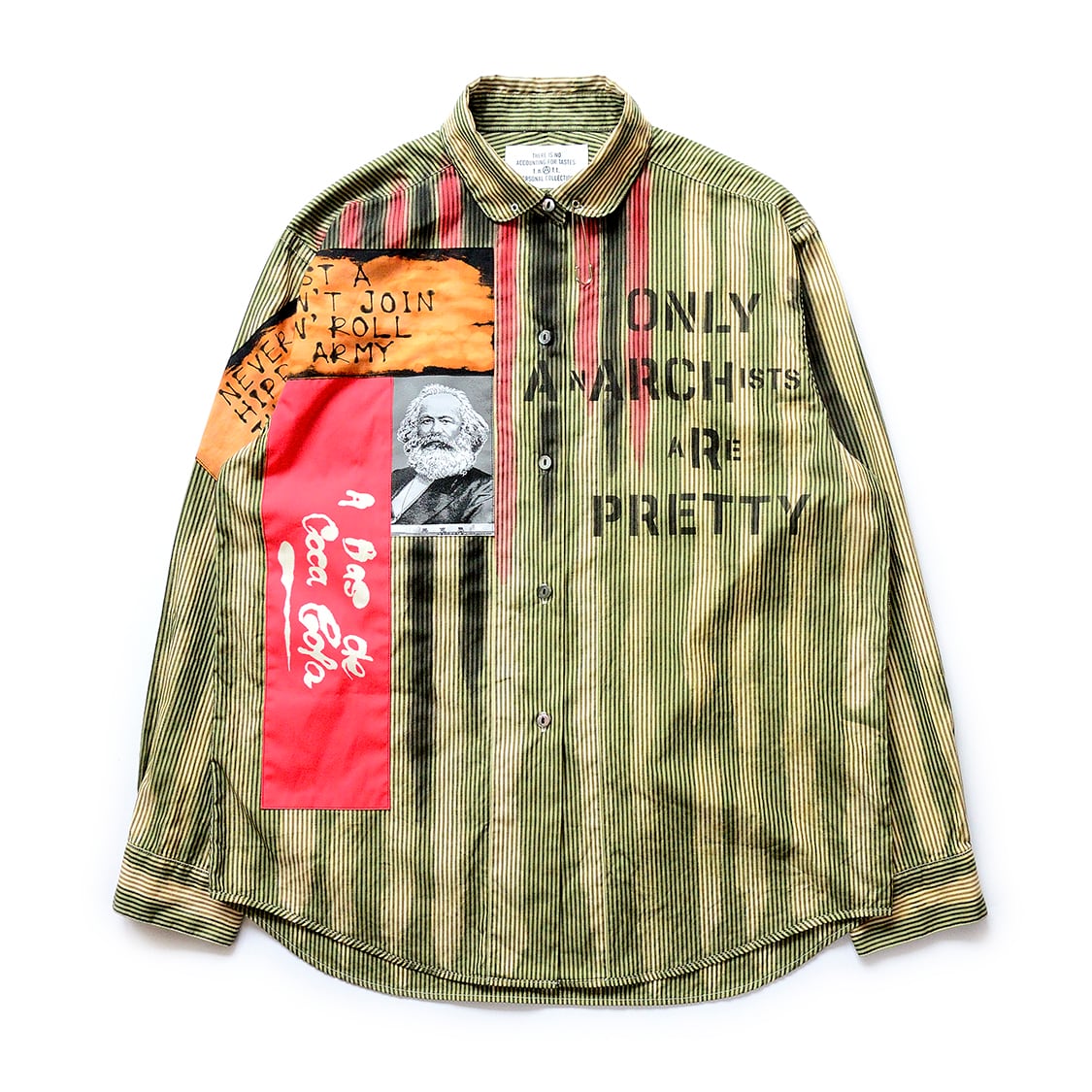
Almost as soon as I became genuinely interested in fashion as an art form. I remember watching a documentary about Vivienne Westwood and seeing her Anarchy Shirt—simple in shape but covered in bold graphics opposing the system—and falling in love with it. That was the exact moment I understood I wanted to do fashion—and that I could do it in a political way.
How do you see fashion functioning as a form of resistance or political expression today?
It’s nearly impossible to dress without making a political statement. Every outfit signals your social sphere or the one you aspire to. What some see as “homeless chic” actually underscores a real social divide that mirrors political issues. Fashion is a space to express who you are and what you believe.
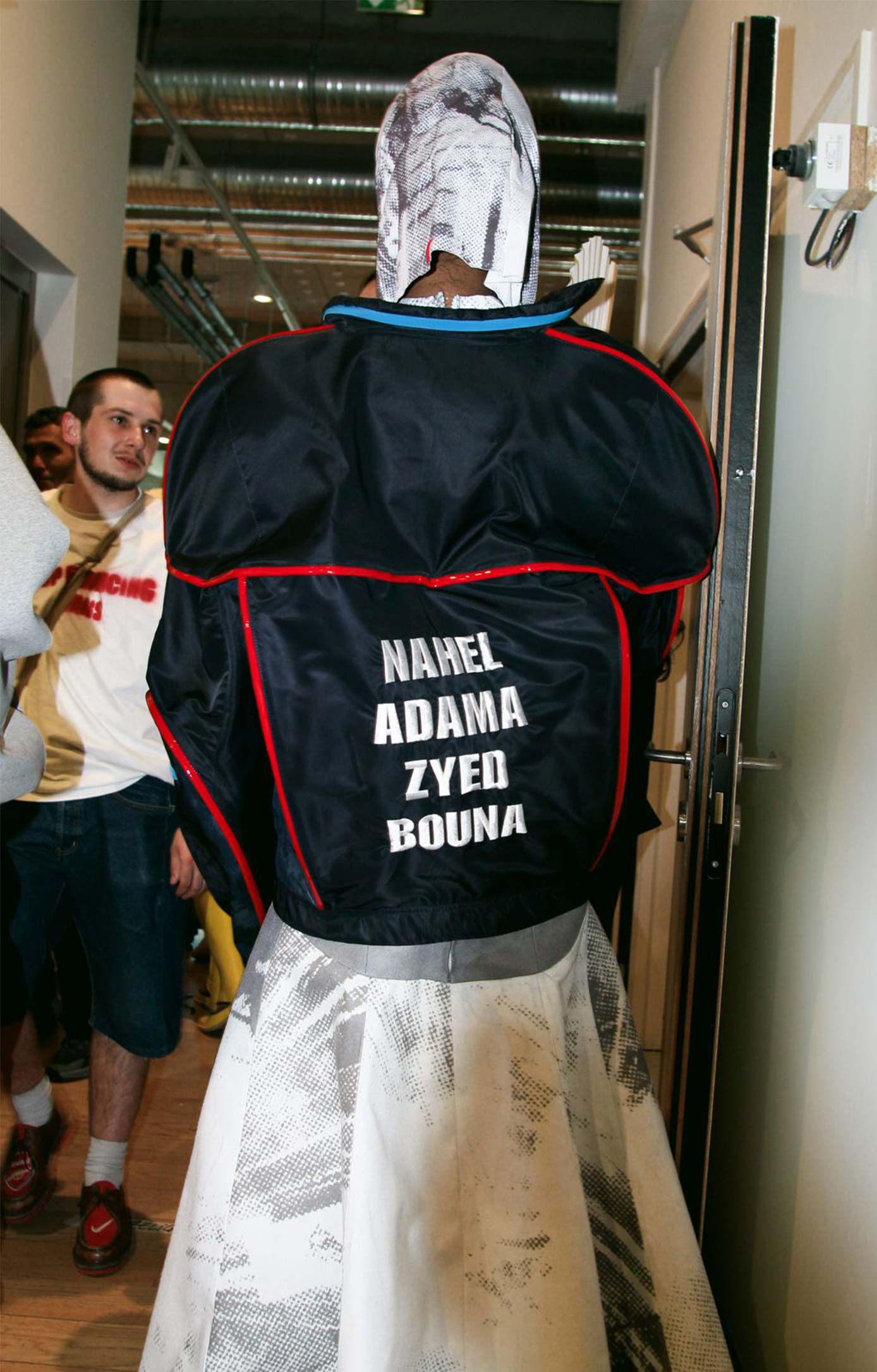
Many of your works hide the face—through cloth, shadow, or positioning. What does this concealment represent for you?
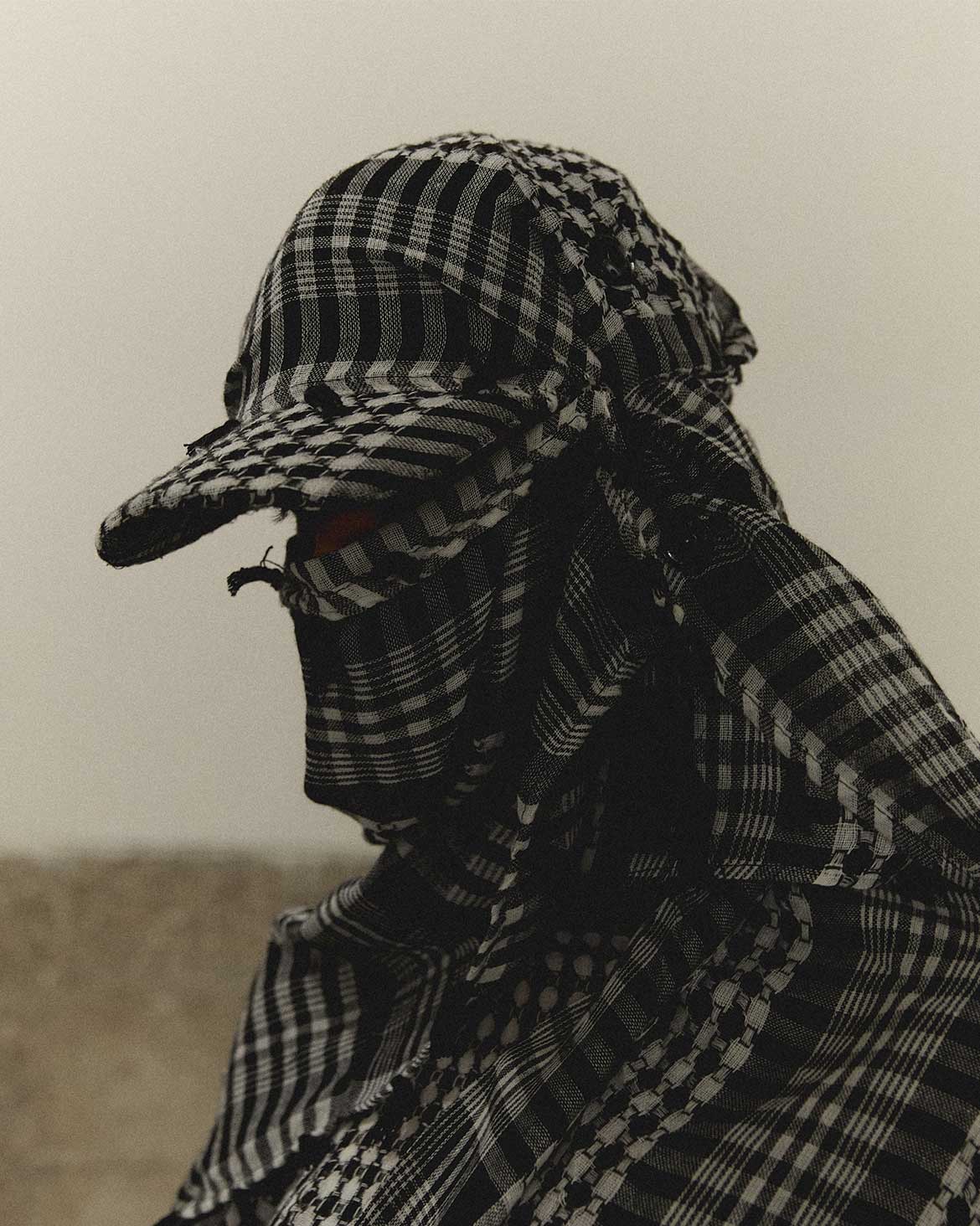
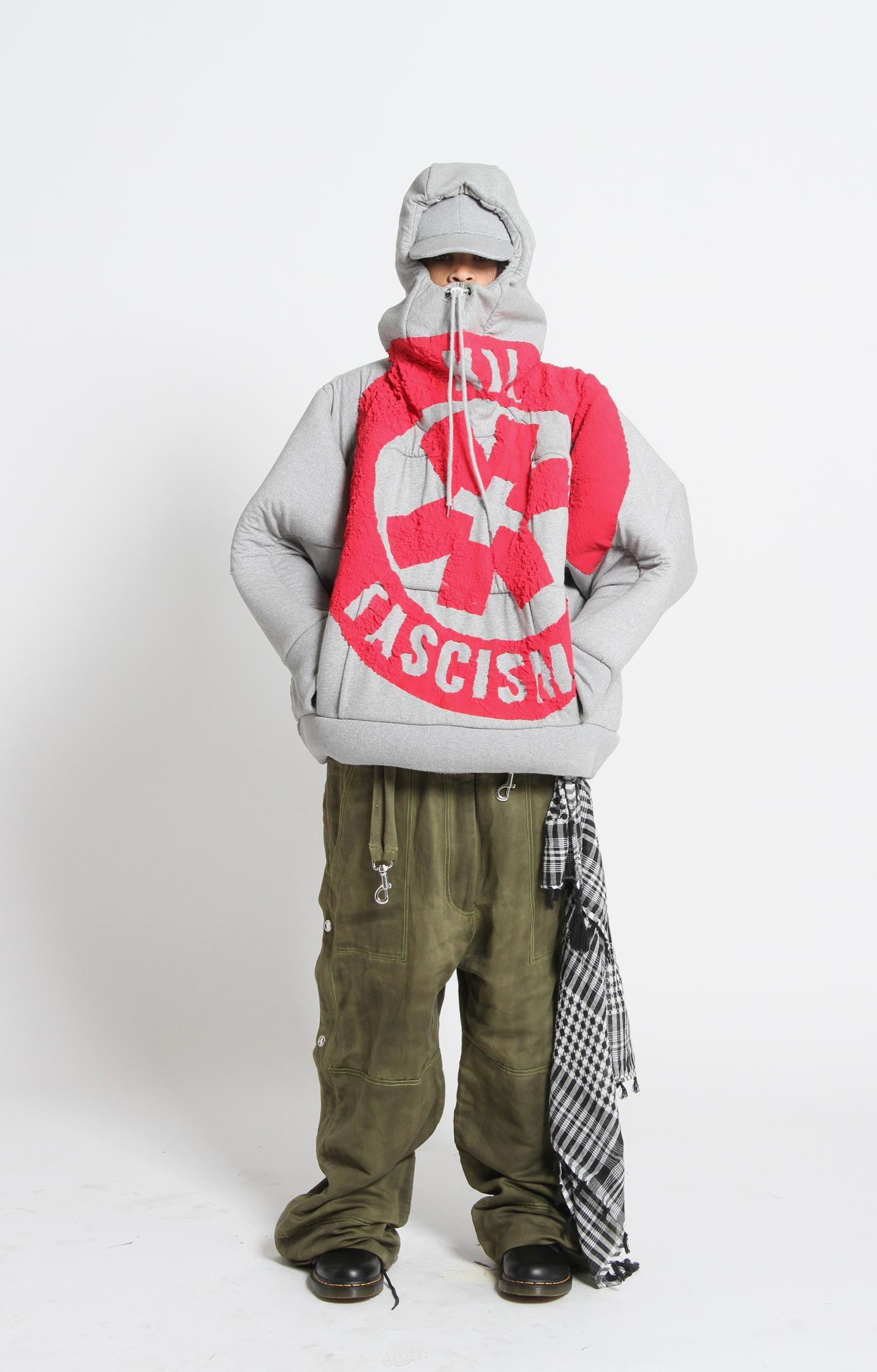
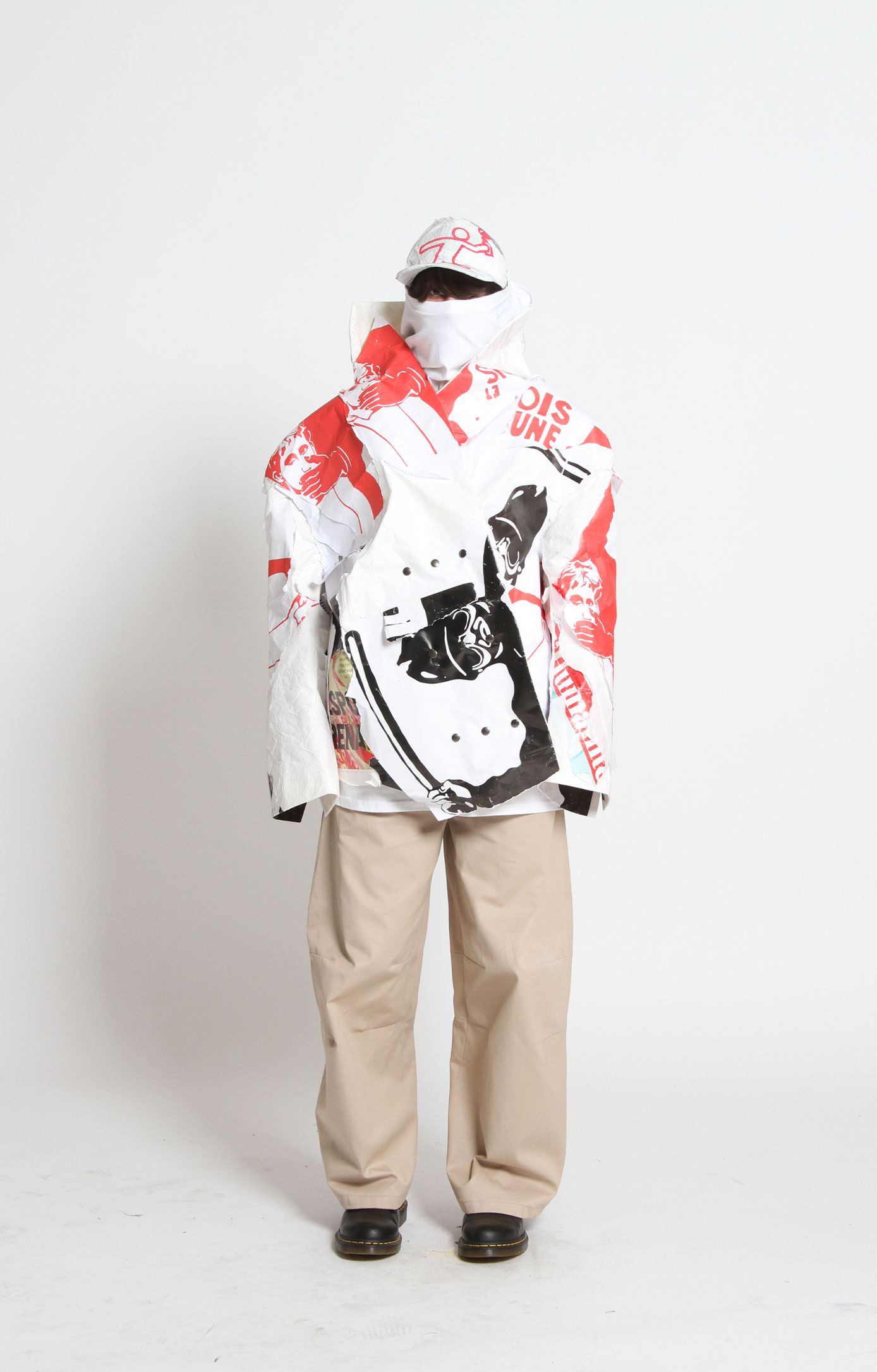
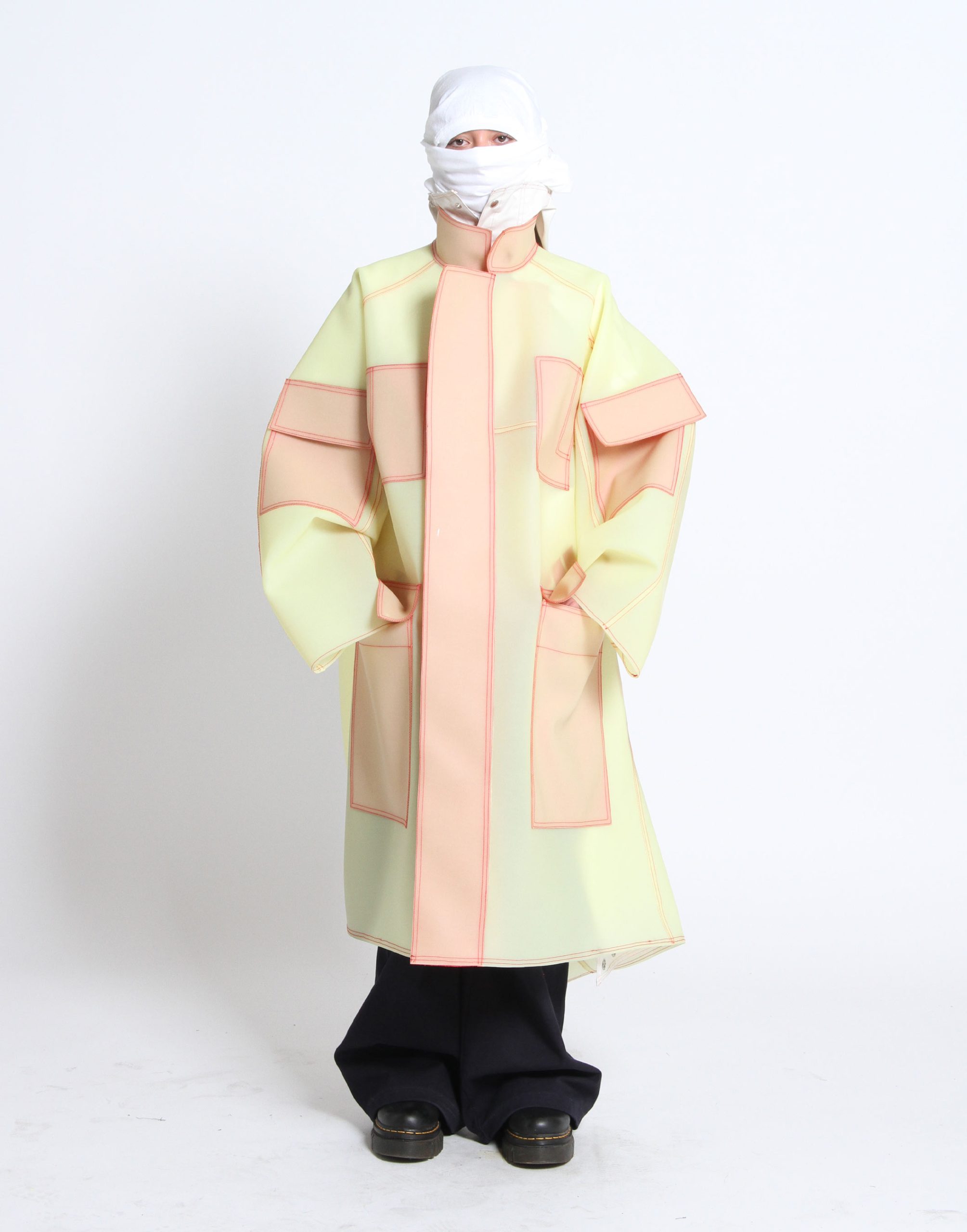
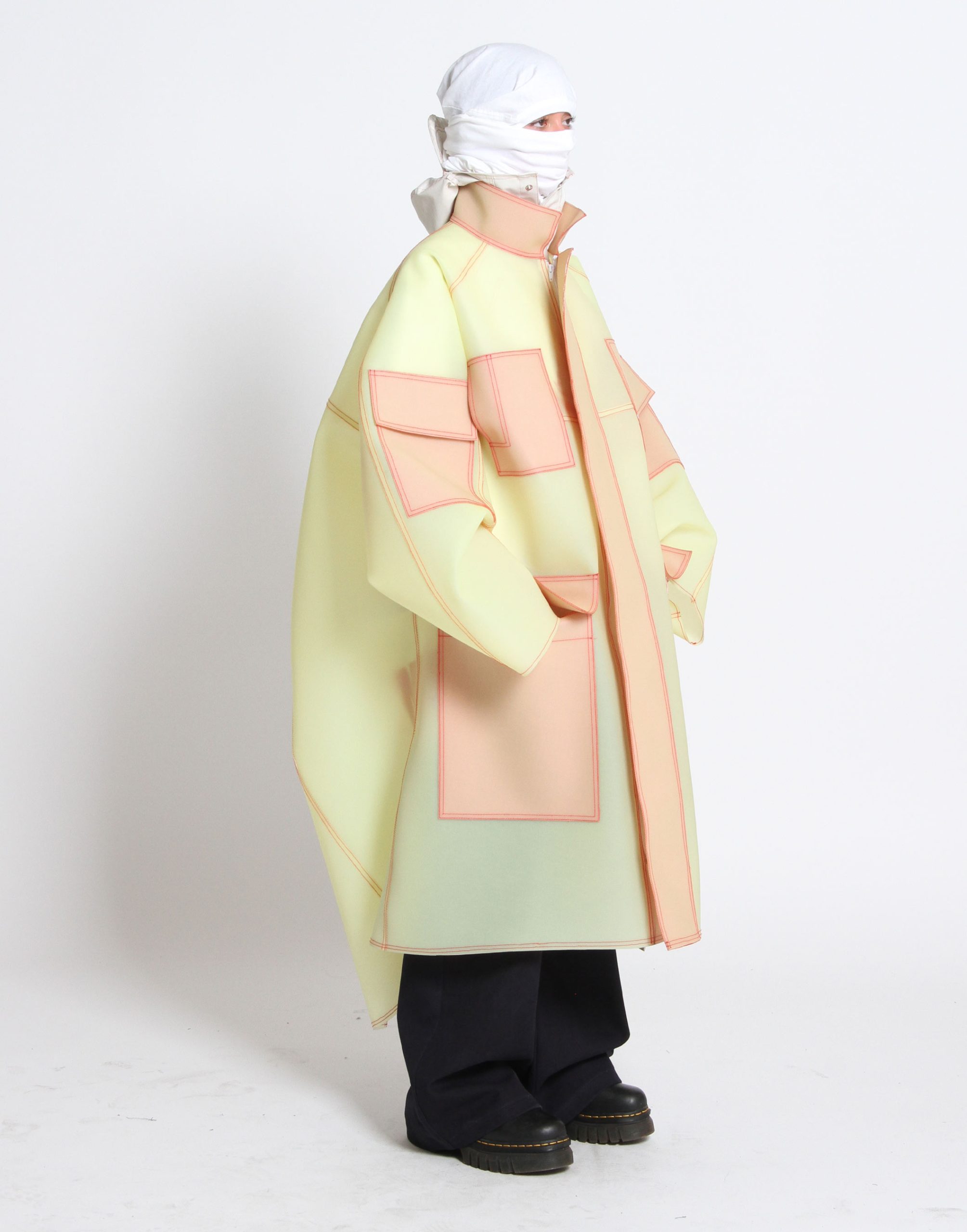
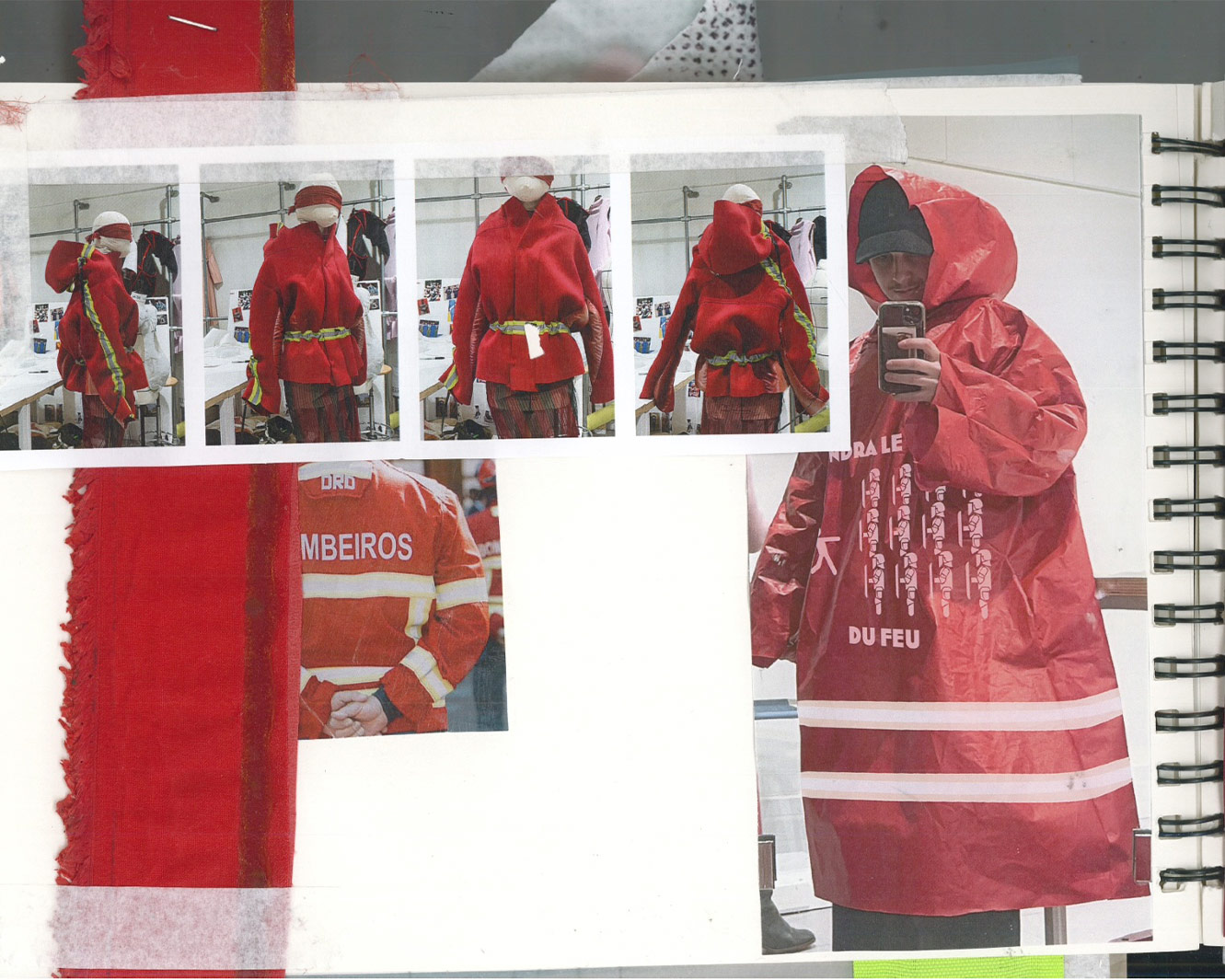
It’s very important to me. I love erasing individual identity through my silhouettes—it reinforces the idea of collective resistance. In my last collection, I wanted viewers to focus on the messages rather than the person wearing the garment. Inspired by street protesters, I aimed for a uniform effect, underscoring unity in struggle.
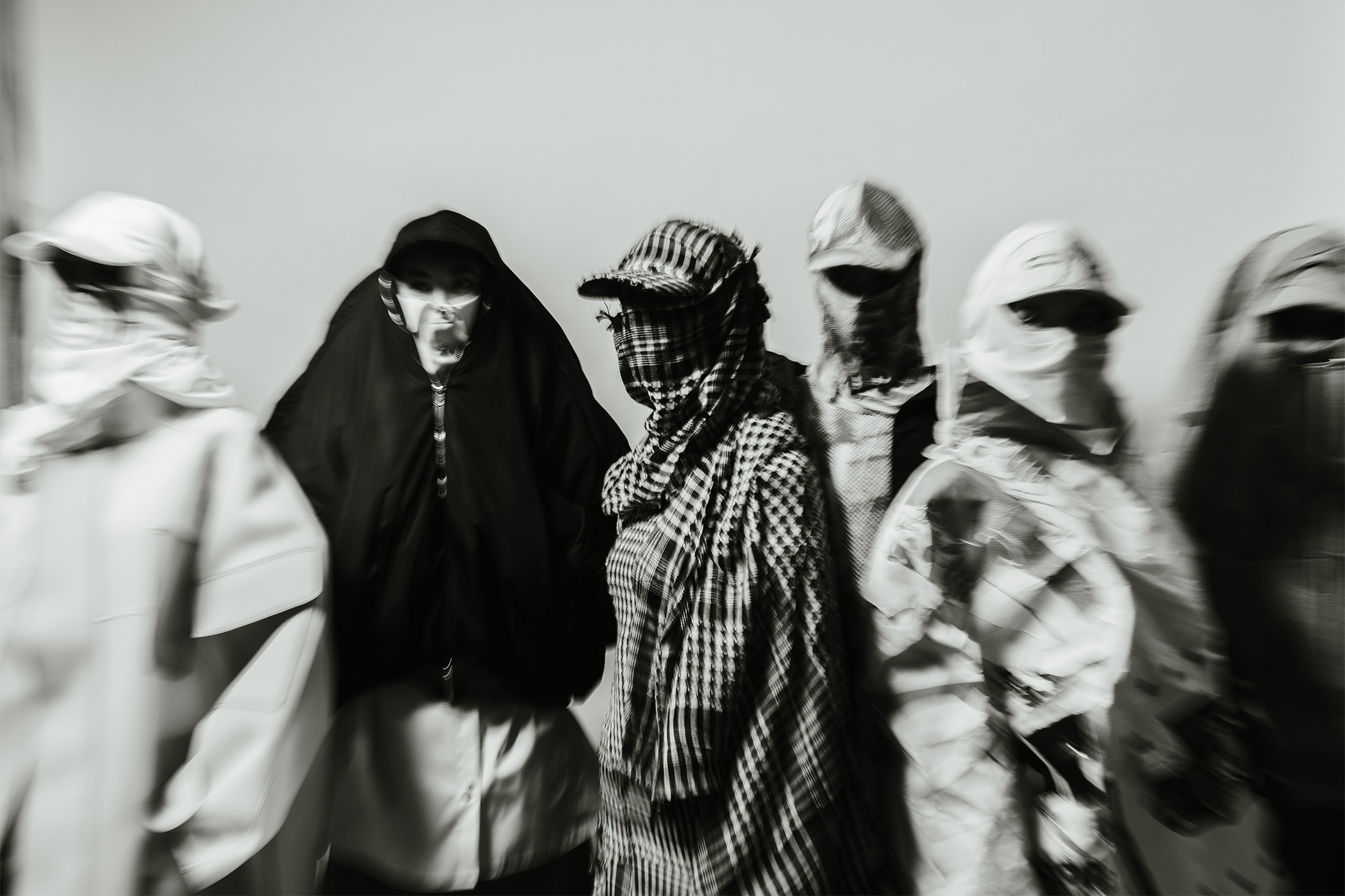
The keffiyeh appears as a recurring motif in your work. What does it symbolize to you?
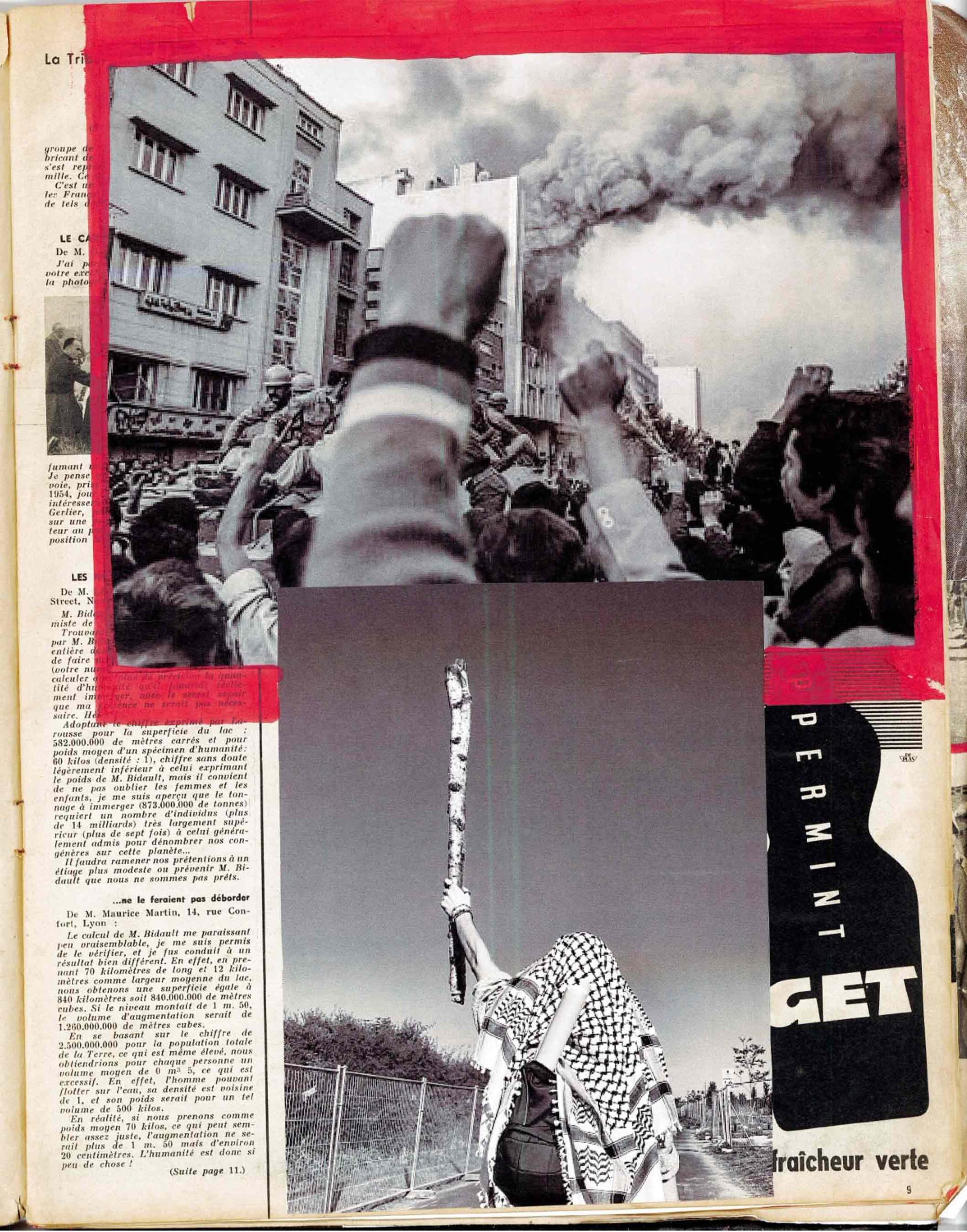
Resistance. When I was developing my collection, the genocide in Gaza was under‐reported, so it felt necessary to shed light on the situation in the way I know best—through fashion. The keffiyeh was the clearest way to illustrate that point.
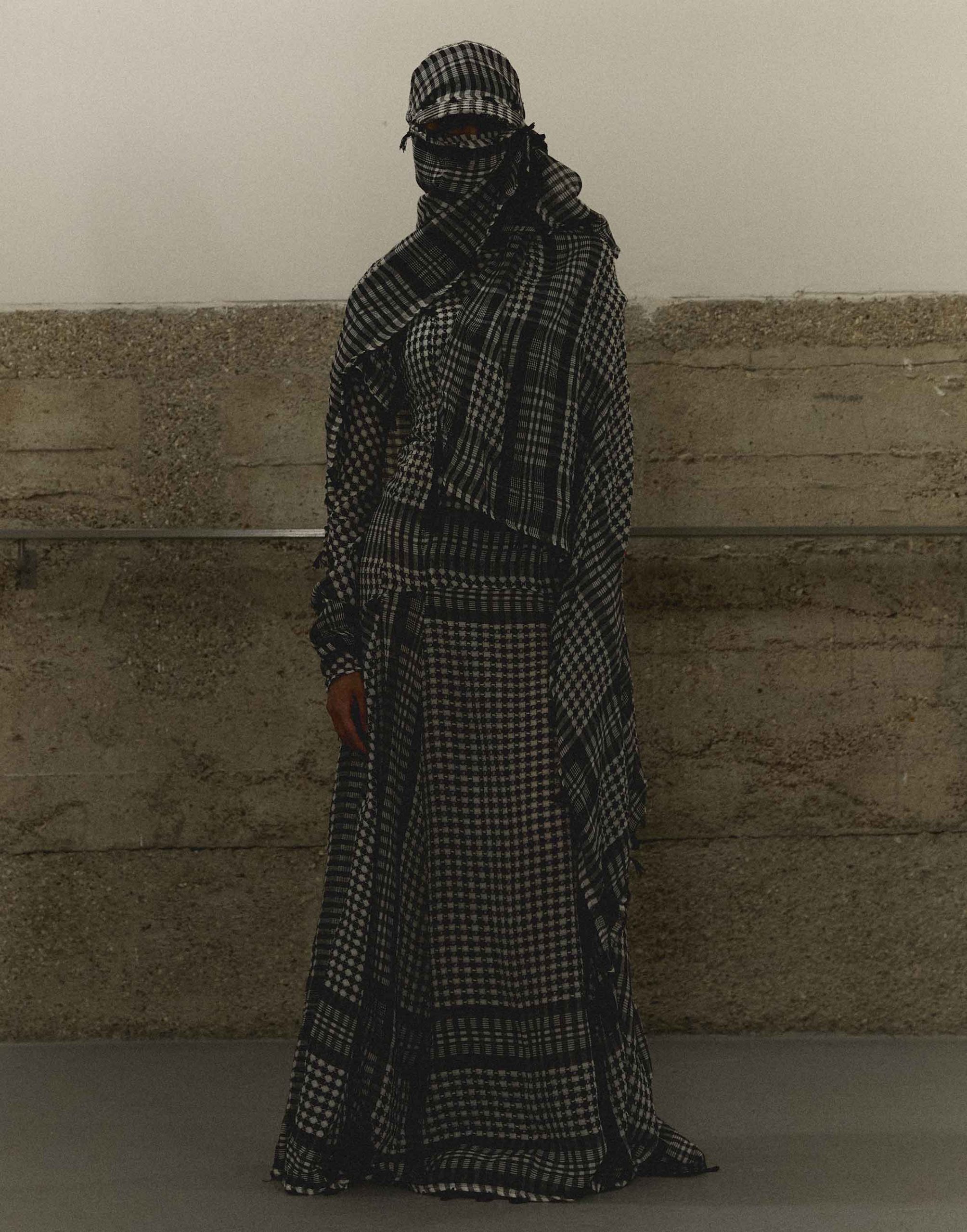
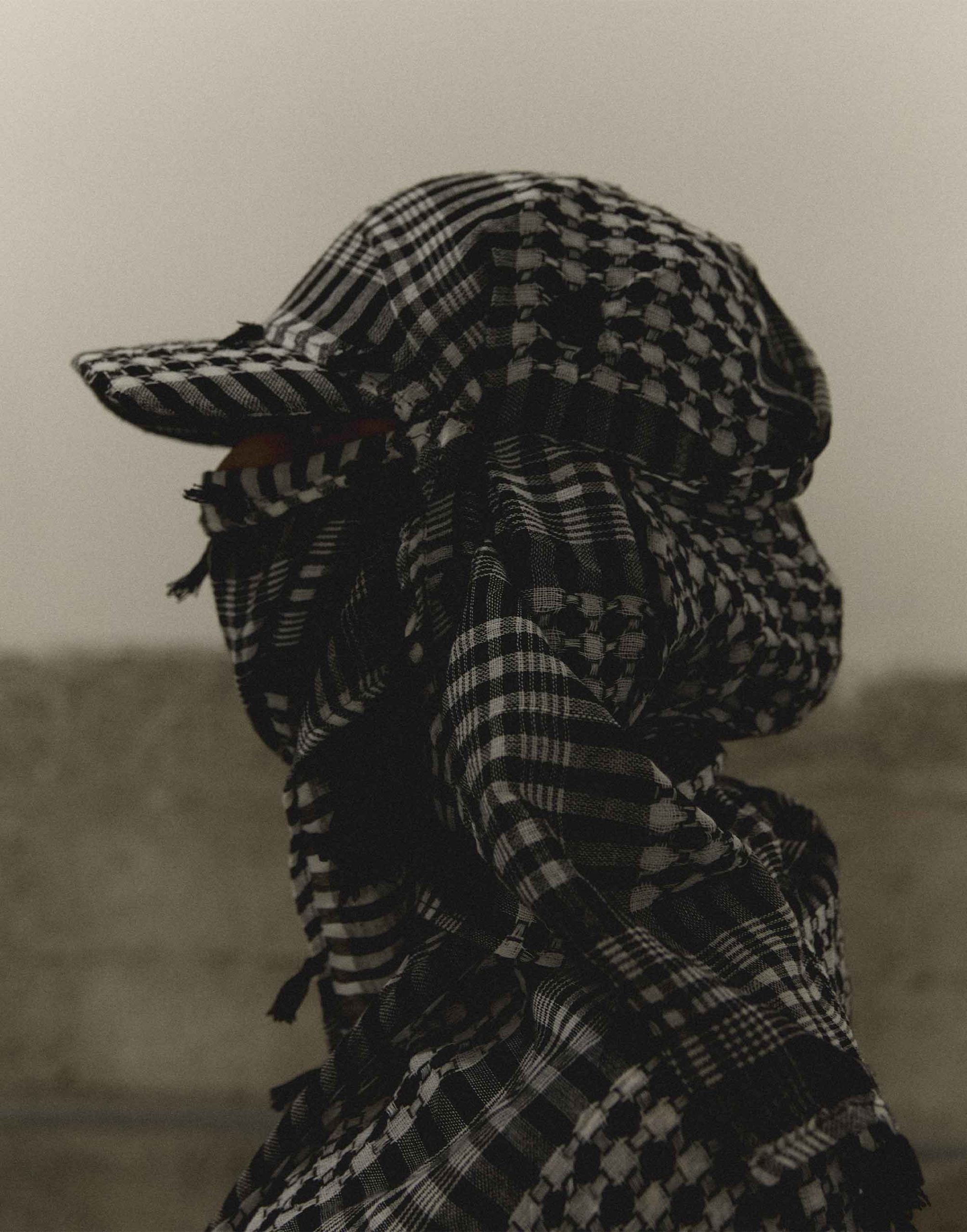
You use oversized silhouettes and heavy layering—how do these sculptural forms relate to your ideas?
Protection. Beyond the obvious messages, I wanted to create “riot wear”—garments shaped to evoke protest gear. Even before this collection, I imagined my models hidden and protected by their outfits. For instance, the hoodie isn’t made from classic fleece; I developed a thick, reinforced fleece to suggest a bullet‐proof texture.
What kind of research or personal references shaped this collection?
It may sound strange, but this collection is shaped by my childhood. My parents were deeply committed to social and political resistance, and I was raised in that environment, attending protests on their shoulders. I also drew on childhood movies and books—Star Wars, Dune, Spider‐Man—which subconsciously influenced the superhero‐like postures and masks of my silhouettes, as if they were real‐life heroes.
You include subtle but powerful symbols, fabrics, gestures, textures. Could you walk us through some hidden details people might overlook?
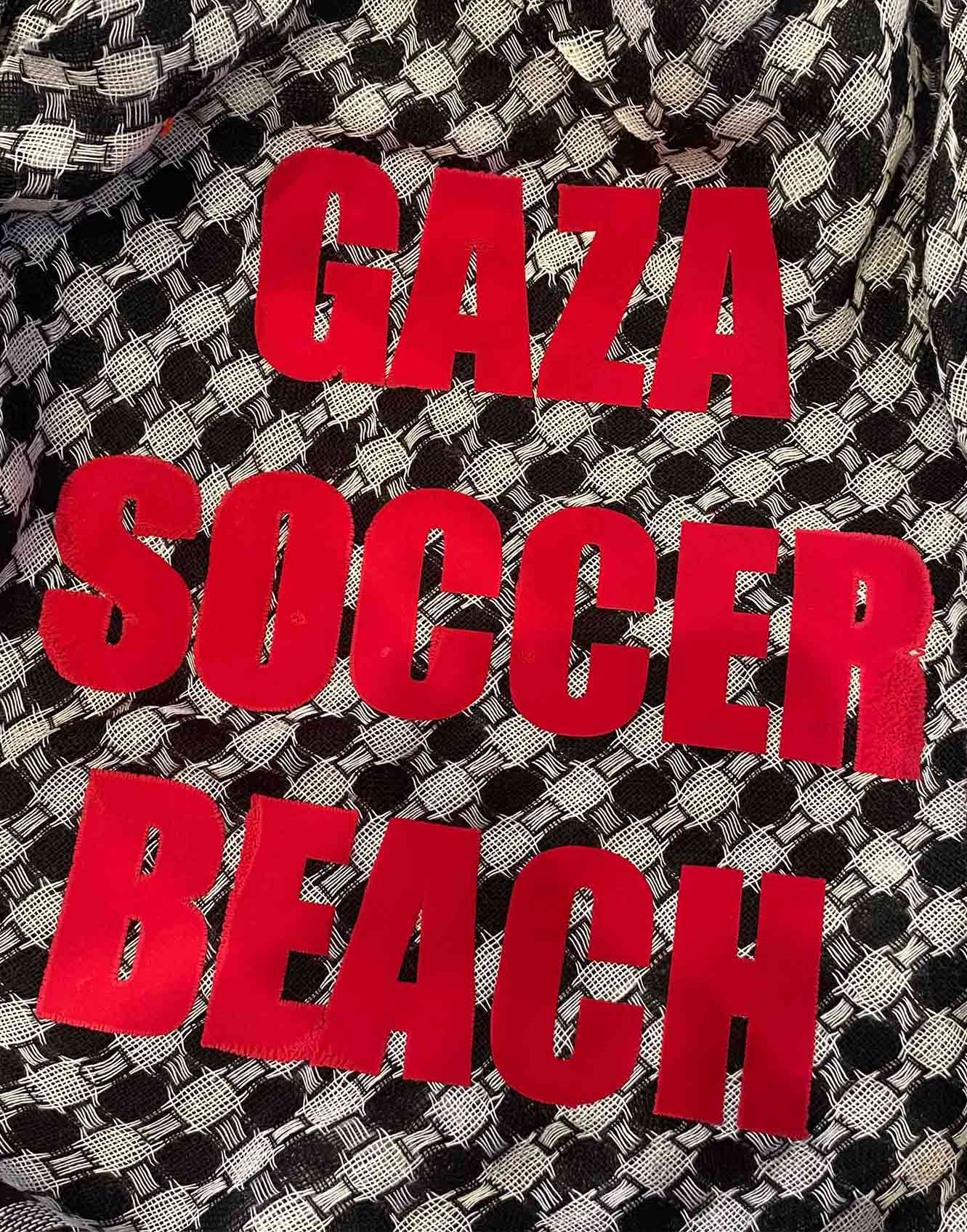
On the keffiyeh dress, there’s a small red print on the back reading GAZA SOCCER BEACH, referencing Médine’s song. The raglan sleeves mimic a football jersey, linking the graphic to that inspiration.
My firefighter parka inverts the traditional red‐and‐yellow color scheme to suggest that firefighters bring fire—metaphorically sparking revolt—instead of extinguishing it.
Are there specific artists, filmmakers, or thinkers that influenced how you approached this body of work?
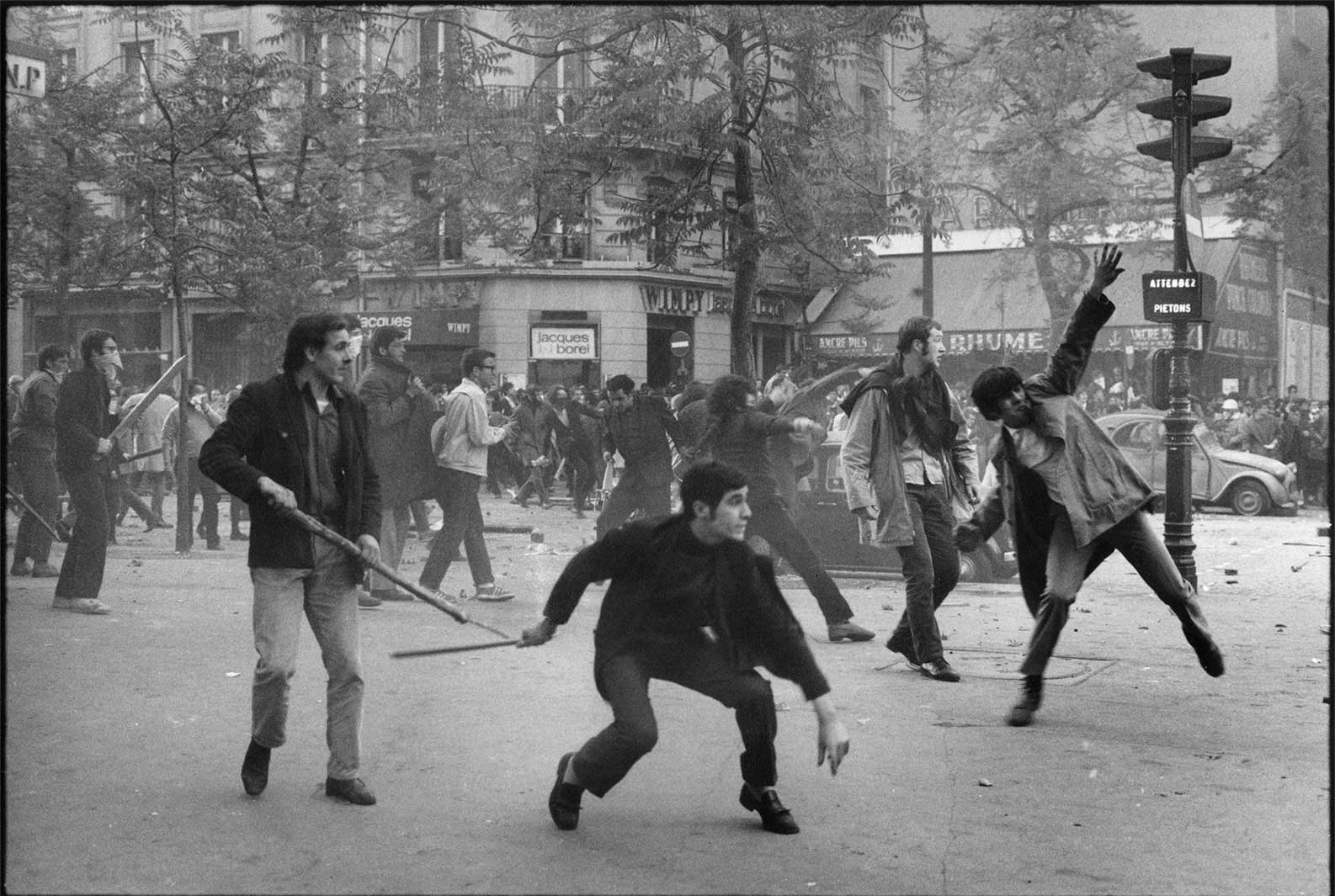
Yes. Vivienne Westwood’s punk‐political stance first showed me how fashion and activism can merge. I also drew inspiration from documentary photographers like Bruno Barbey and Sebastião Salgado, whose images of social struggle shaped my visual narrative. Writers such as Edward Said and Angela Davis influenced my understanding of power and identity, while musicians like Médine and Public Enemy inspired my use of slogans and lyrical references in textile prints.
Where can people find you?
You can follow my work and process on Instagram @zelighd. I’m also preparing presentations of my collection at upcoming design festivals (dates to be announced) and will share progress on new projects —focused next on under‐reported conflicts and still these ideas of protest—through my digital channels.




