Adam Gobran
What’s your name and where are you based?
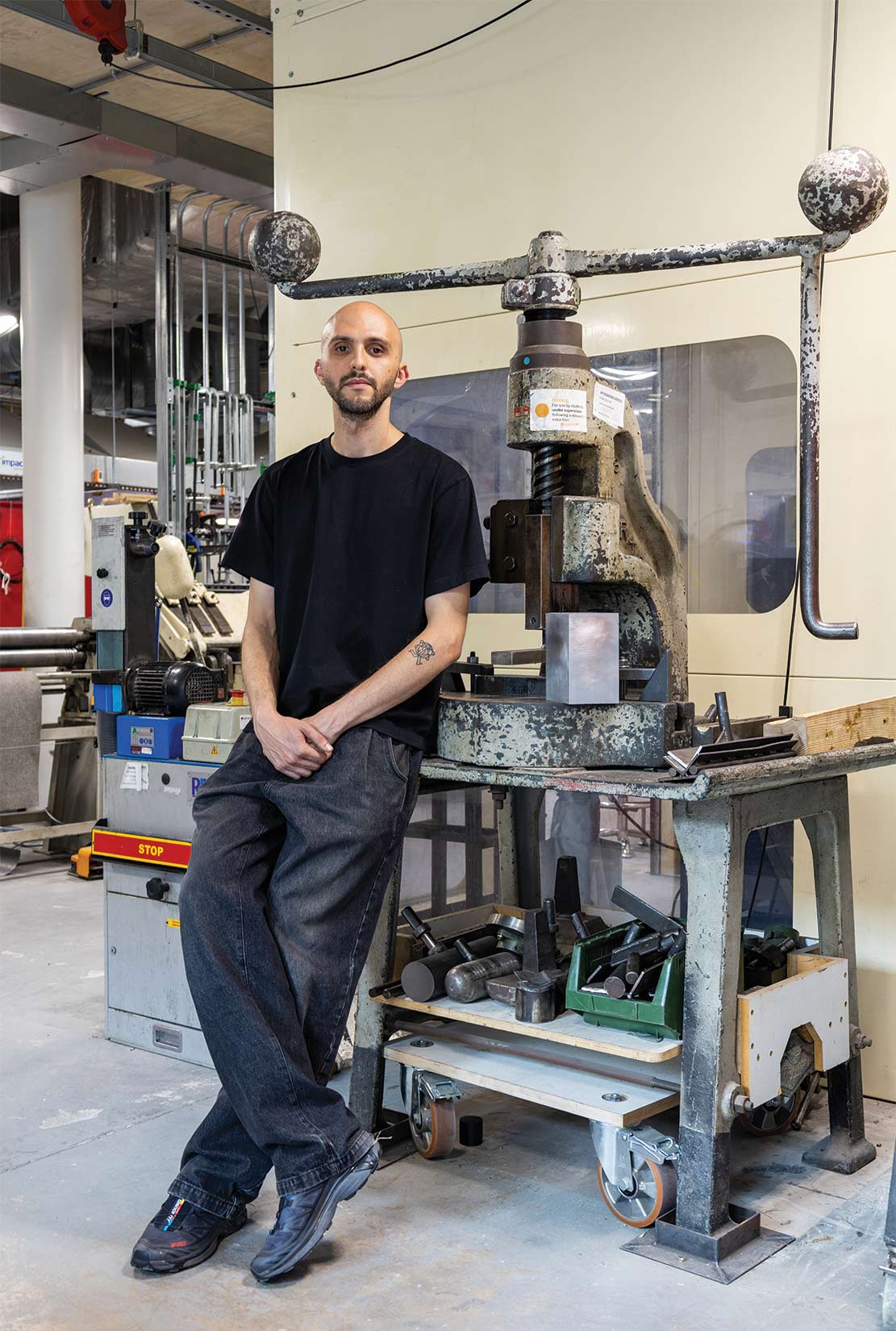
My name is Adam Gobran. I grew up in Cairo, and have recently moved to London after a long period in New York.
Can you describe your practice in a few words?
This feels like a hard question to answer since my practice feels relatively young and changing quite quickly. I make furniture and objects, and I would describe my practice as experimental and process-driven. As I do not come from a traditional art or design background, I’m often drawn to unconventional (and sometimes nonsensical haha) fabrication techniques.
How did you first become interested in making things?
I taught myself to code at a very young age and used to experiment with all the different ways you could build a website. In a way, making stuff on the web was my creative and visual starting point. Even back then though, I was always interested in the inner workings of the framework or programming language I was using. I eventually shifted to art and design as I became drawn to more expressive and hands-on modes of making, but my obsession with tools and trying new processes remained.
Being from Cairo, is there anything you saw being made back home that you recognise in your way of working?
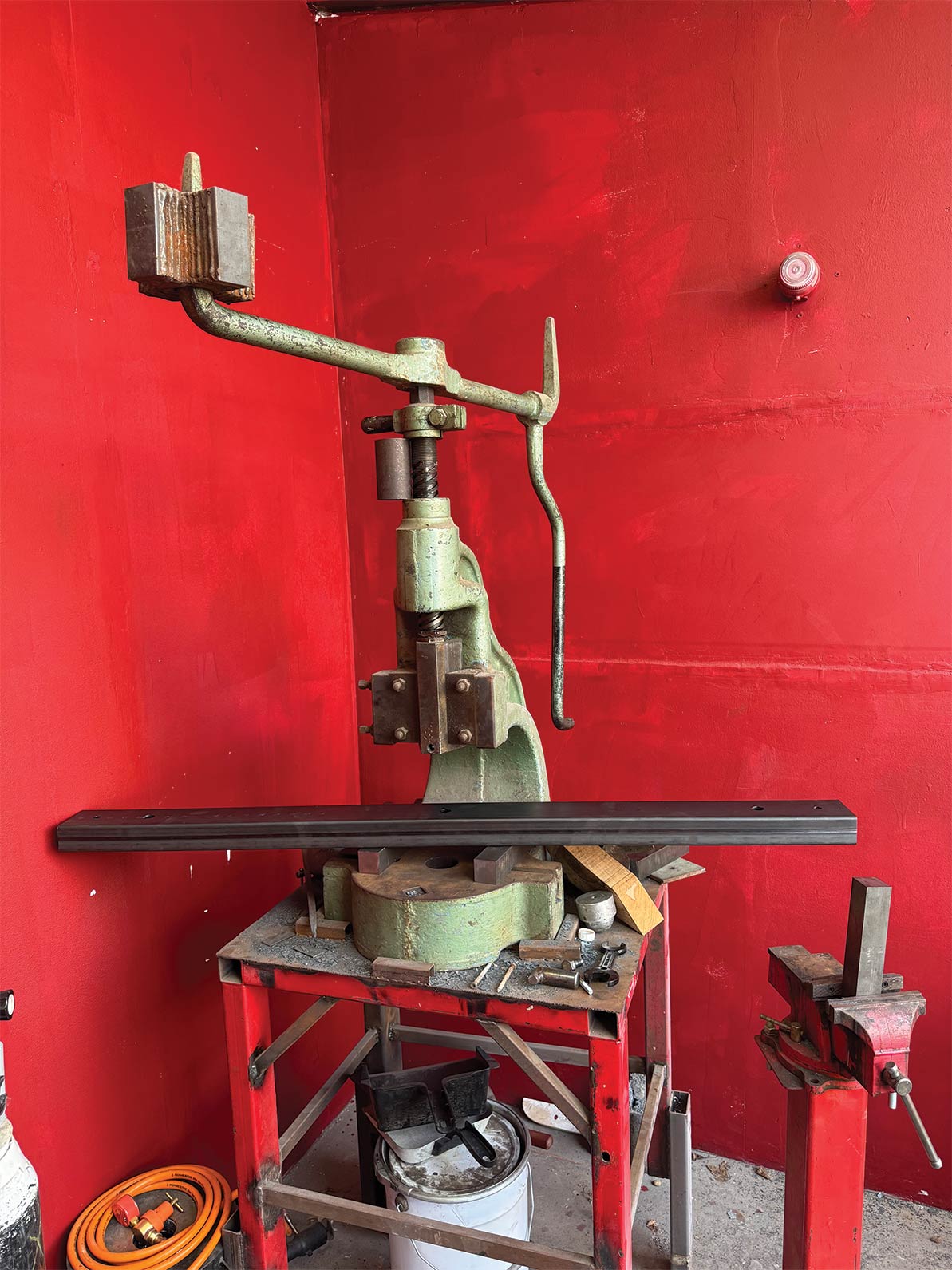
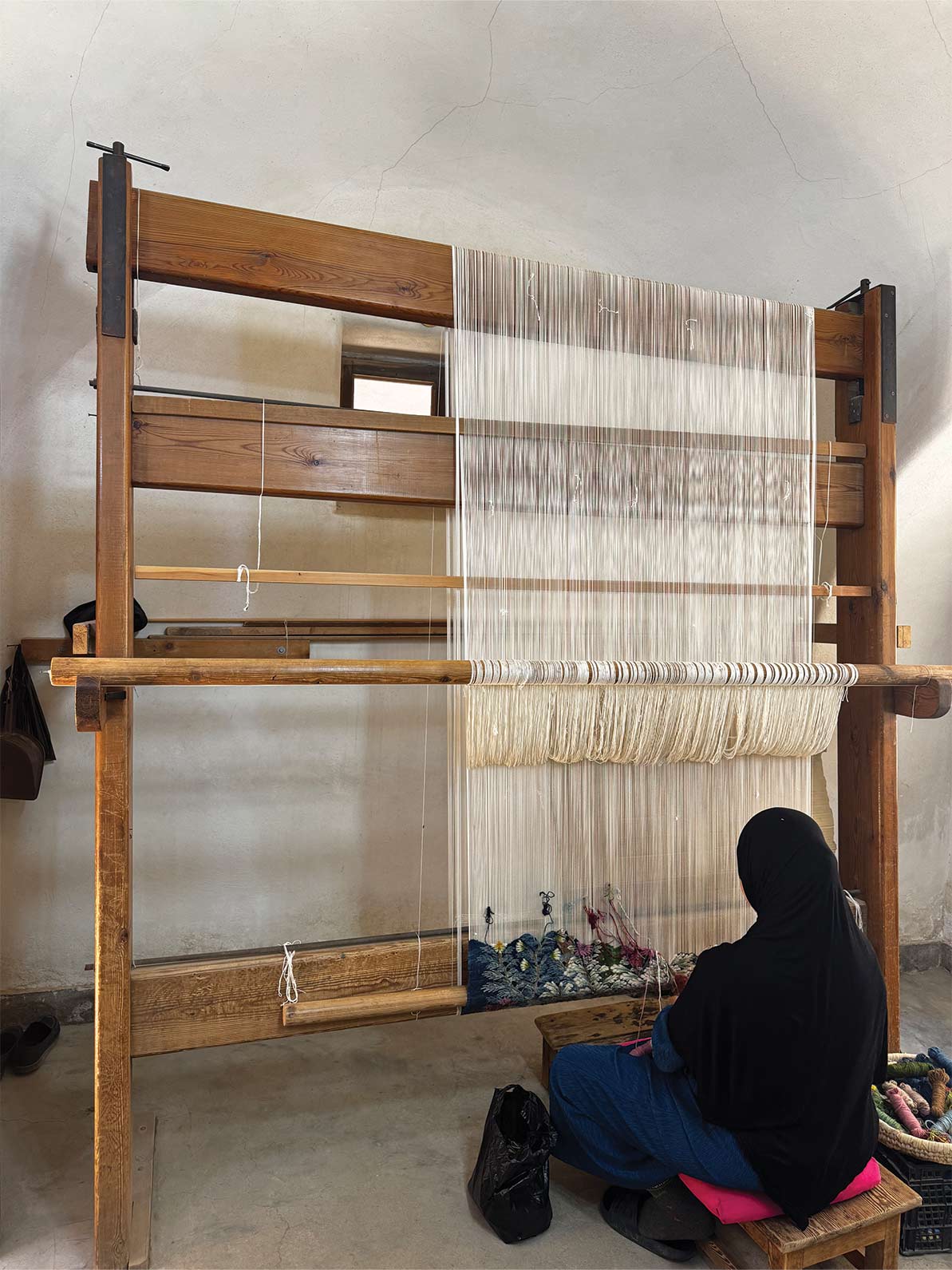
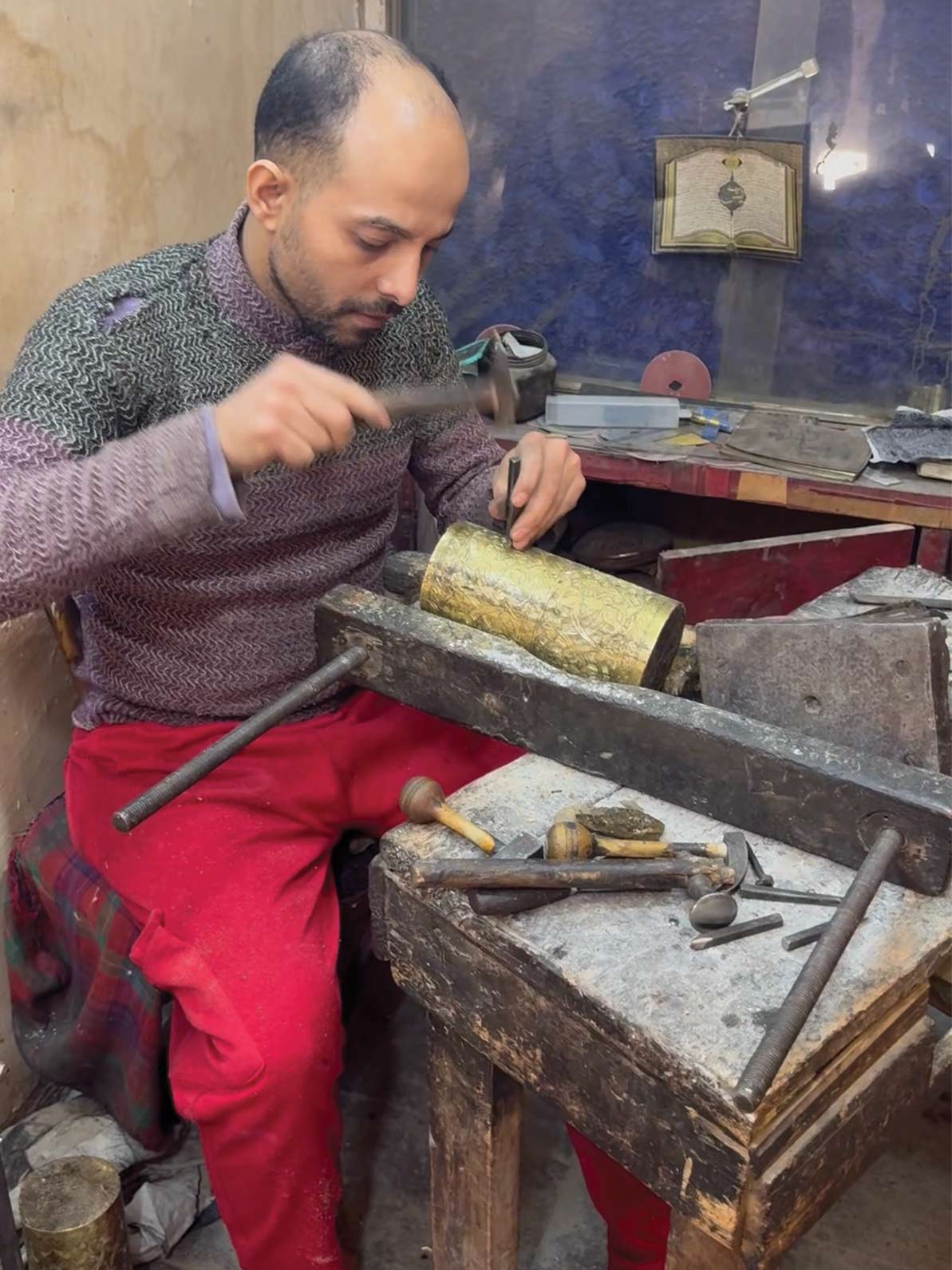
I would say it is less a specific thing and more of a way of working and a way of life. Cairo is a beautifully chaotic place, and to me, you do not navigate it by having a structured plan, but rather a loose idea of what you want to do and making sure you stay present and open to wherever that might take you. The most traditional forms of craft that I’ve observed are also very intuition based, you will not find many rulers lying around. I feel that I (either consciously or subconsciously) adopt these mindsets into my practice in some way or another.
Where does a project usually start for you?
A project almost always starts with a small-scale material experiment. These are born from choosing a production process or machine, and applying it to a chosen material. The experiments are largely intuition based, and come from hours of messing around in the workshop. Once I have an experiment that I feel has potential, I work to figure out how it can grow into a larger-scale, functional object. The experiment comes before the idea of the final piece though, and sometimes, the experiment is the final piece.
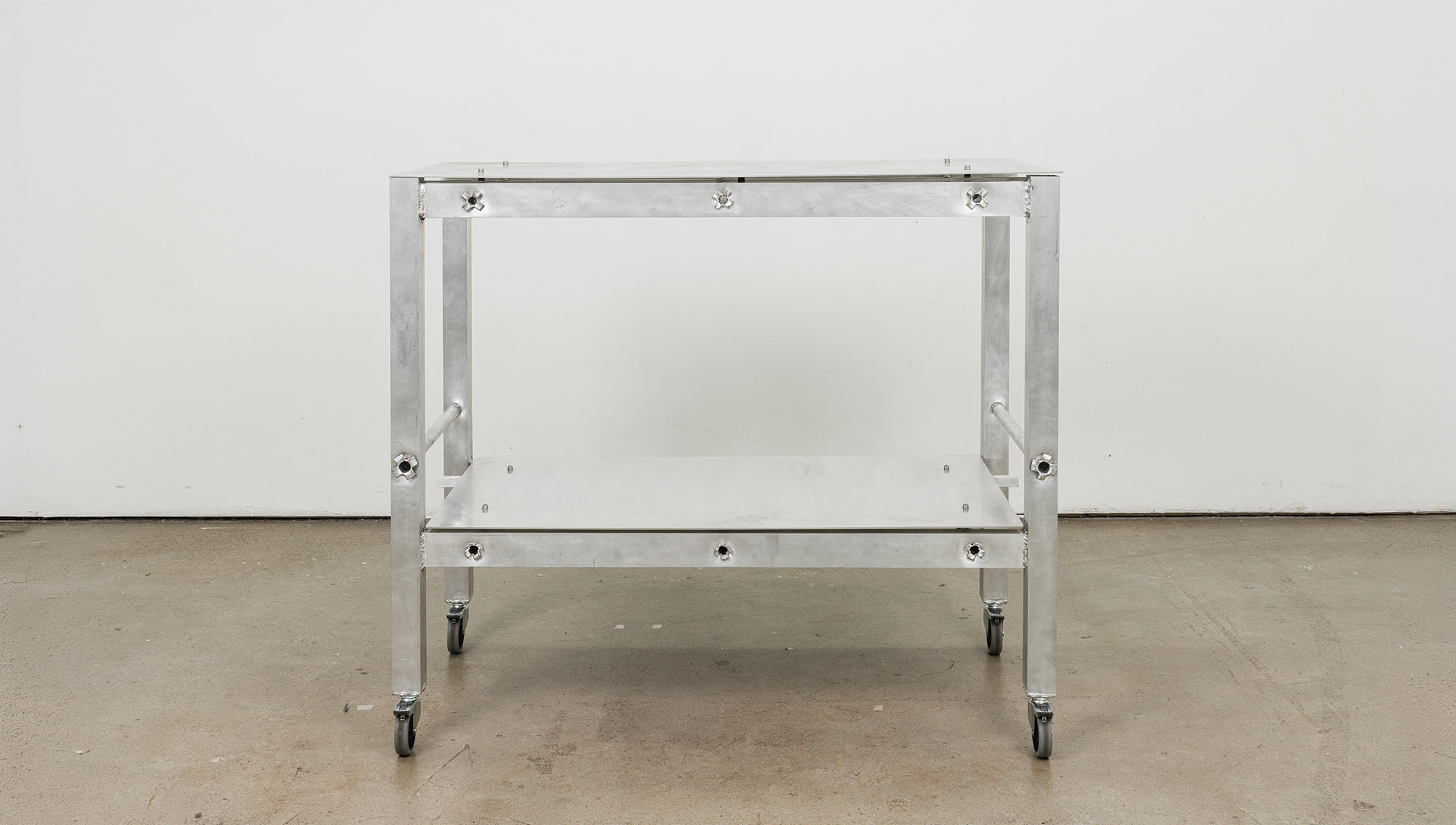
For the planters and the ashtray, you built the tooling before the objects themselves. What role does making tools play in how you explore a technique?
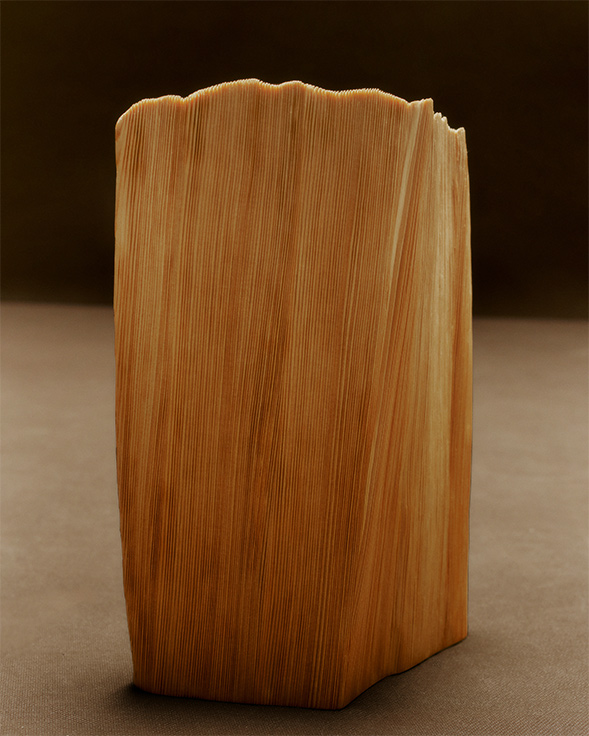
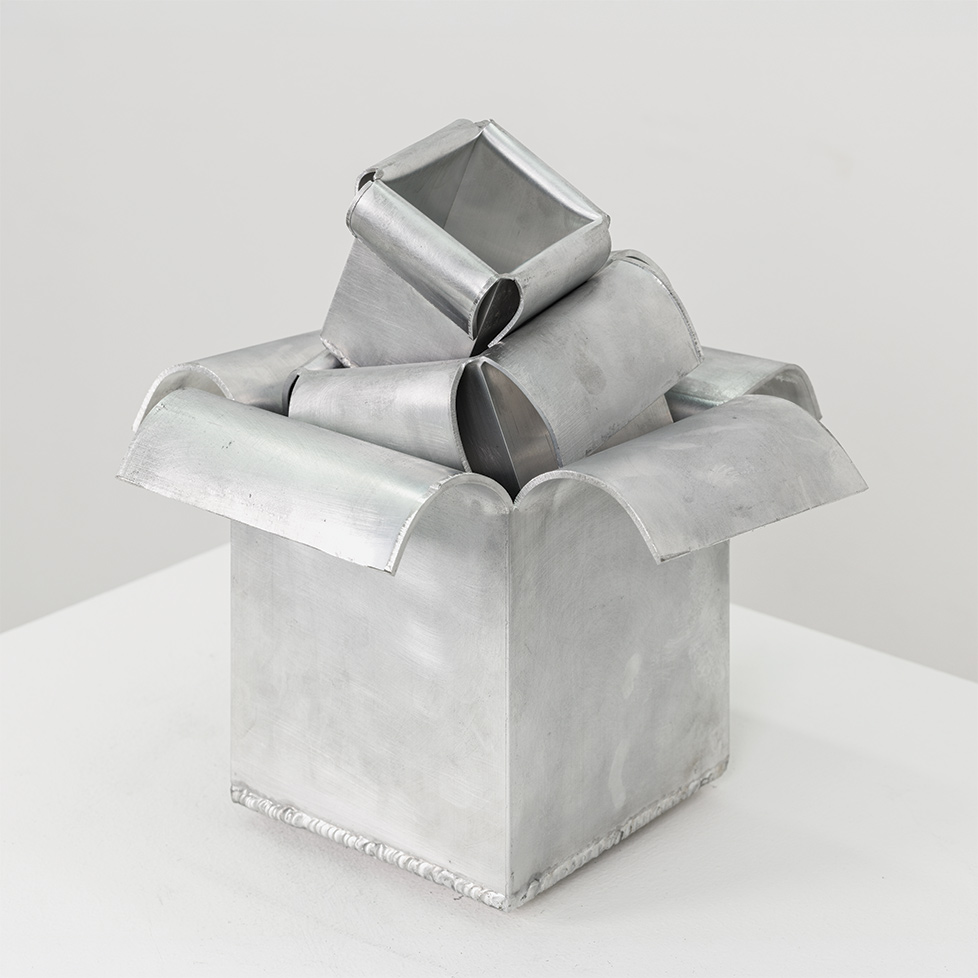
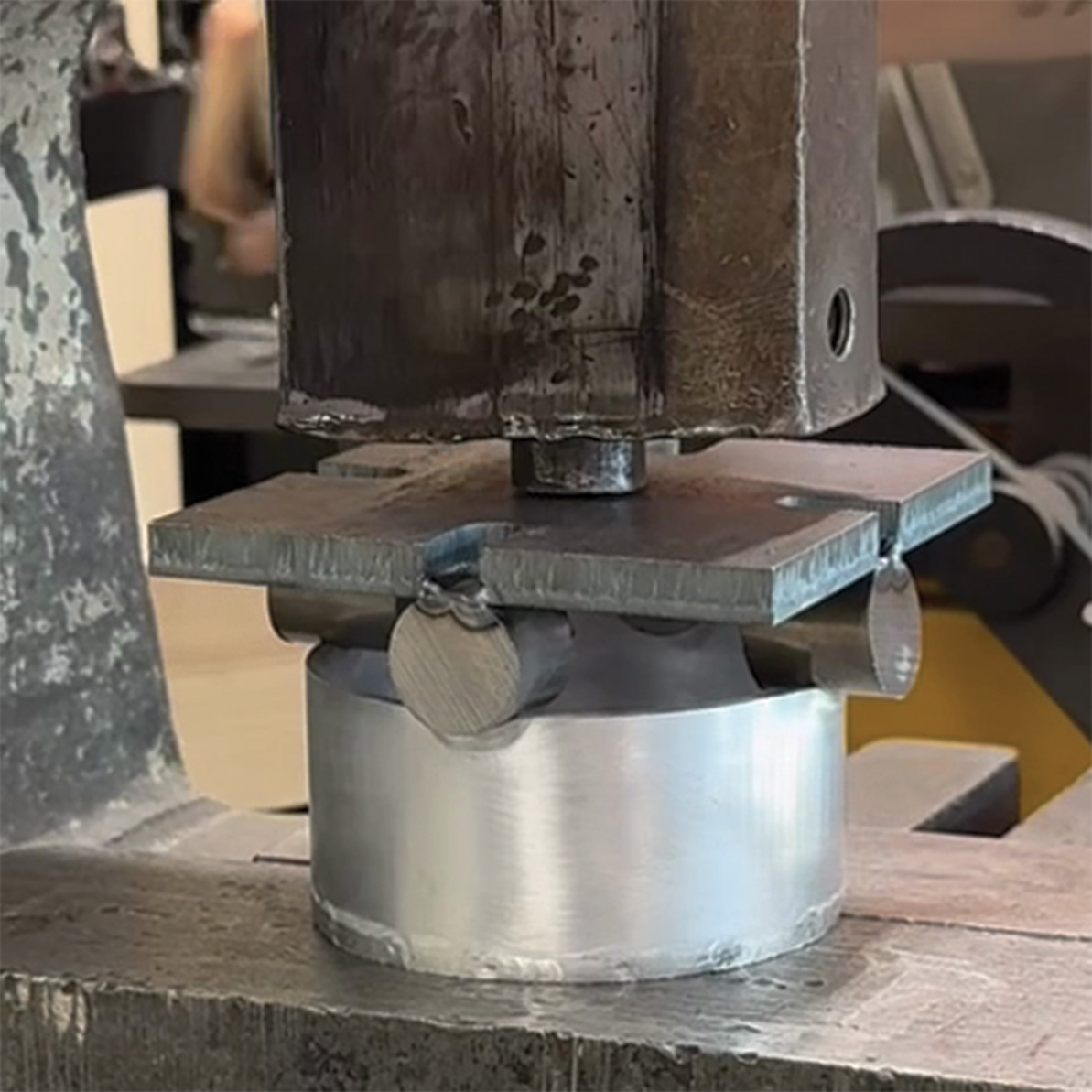
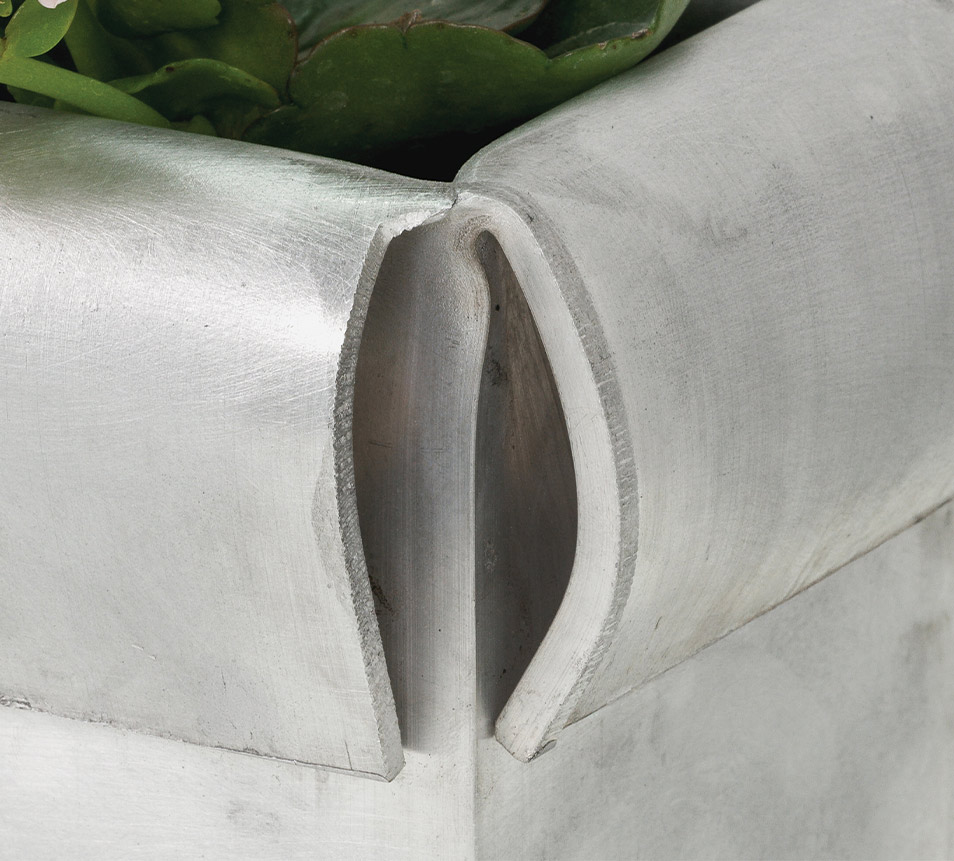
Making and modifying tools helps me stay committed to the process I’m exploring as much as possible. The most challenging aspect of my practice is the uncomfortable space between experimentation and a potential outcome, and it’s easy for me to get caught up in wondering if or when an experiment will resolve itself. Focusing on the tool sometimes helps me navigate this. I’ve actually attached some photos of one of my favorite experiments that has not quite grown into a functional object yet. I called it a ‘Pleated Smiley Tube’. Maybe it will resolve soon though
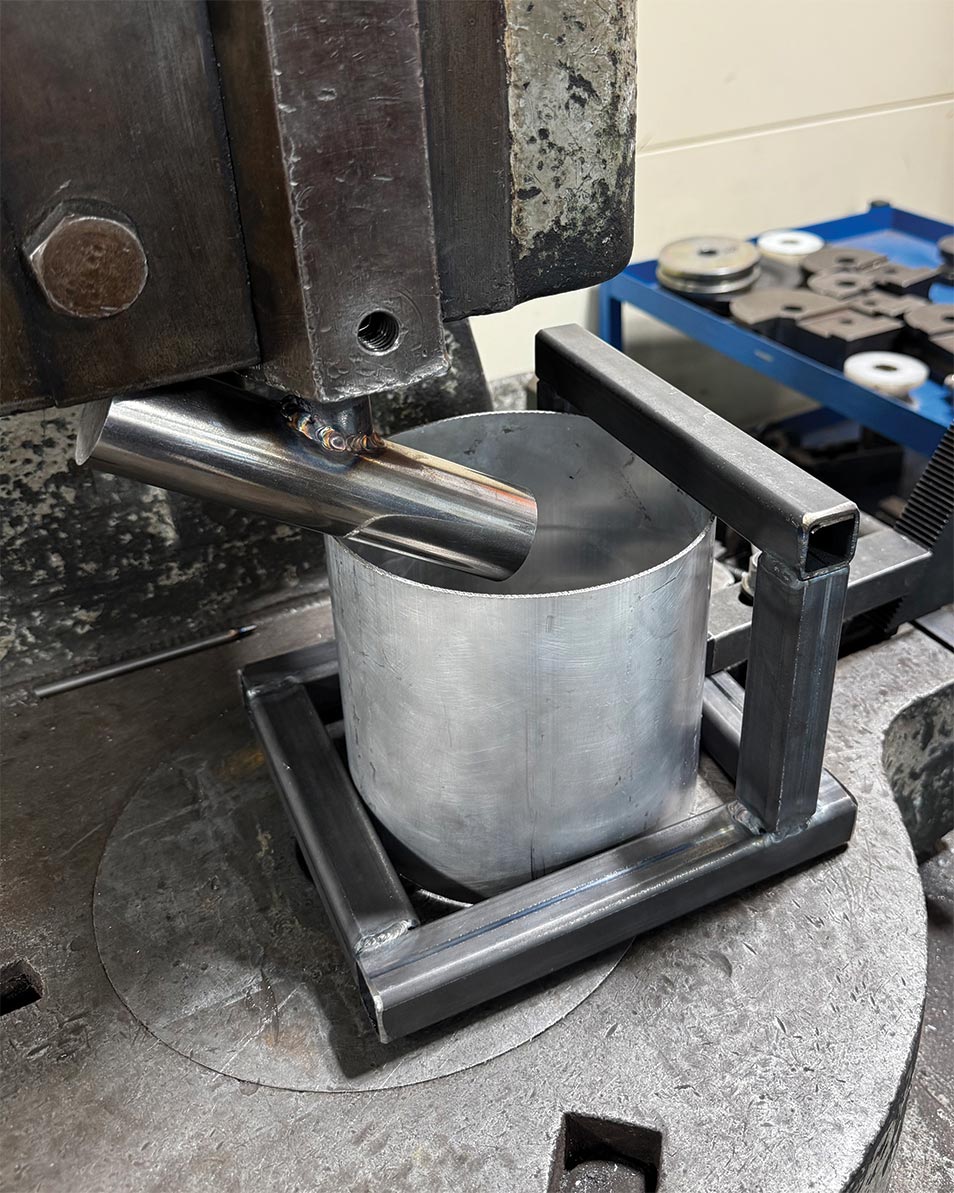
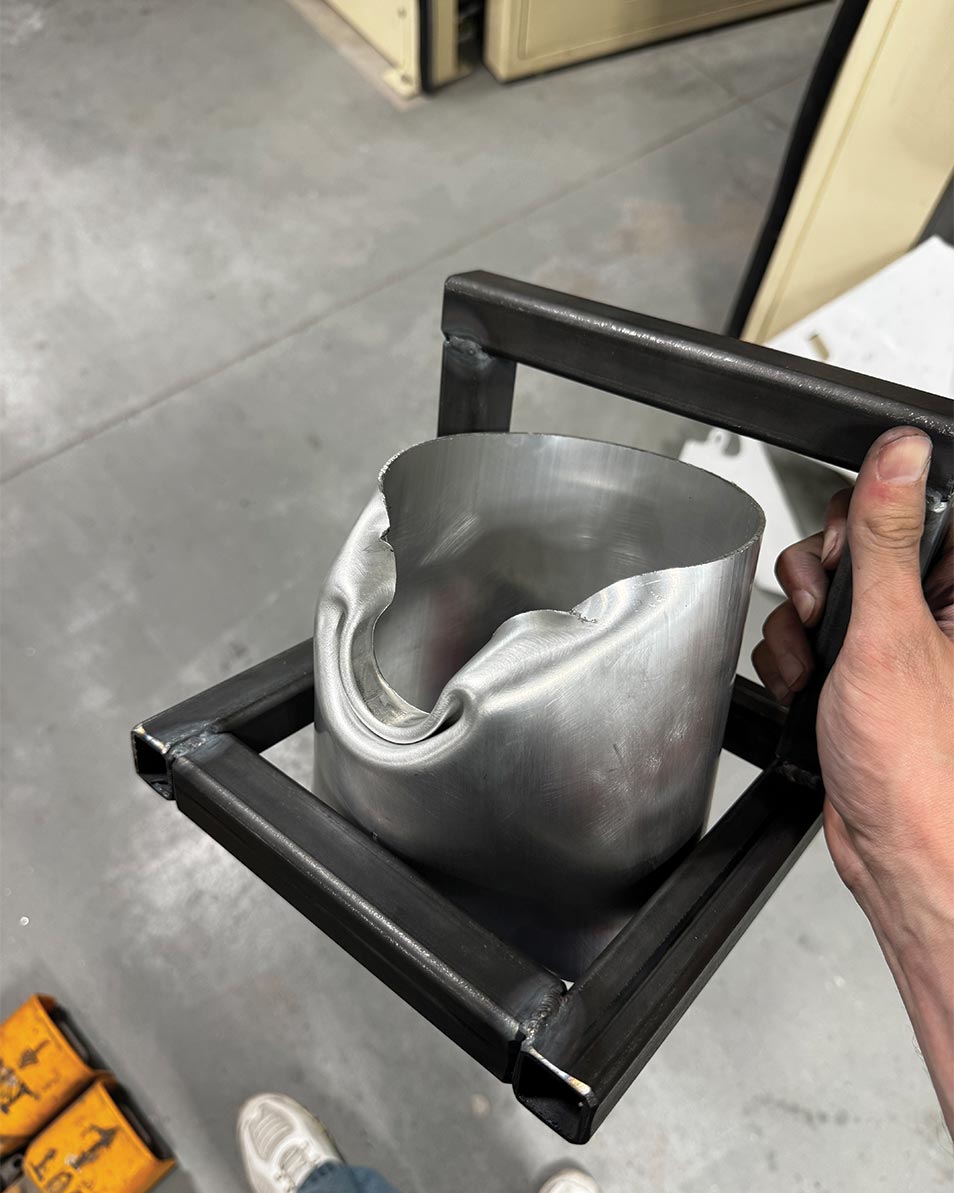
Almost everything is aluminium, what made you work with this material?
I began experimenting with pressed metal, and aluminium, being much softer than steel, responds to pressure interestingly. It also takes on scratches and scuffs in an unpredictable and varied way that I think fits well with my practice at the moment.
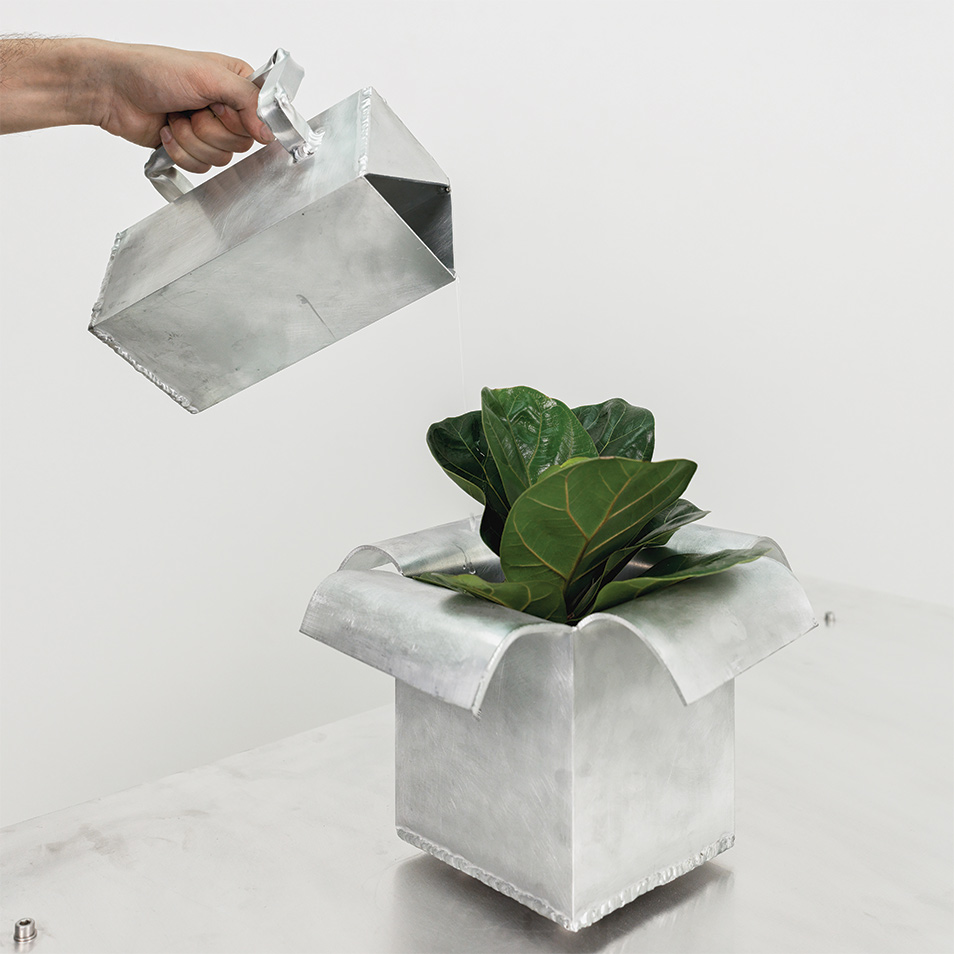
Can you tell us about a piece that felt like a turning point in your practice?
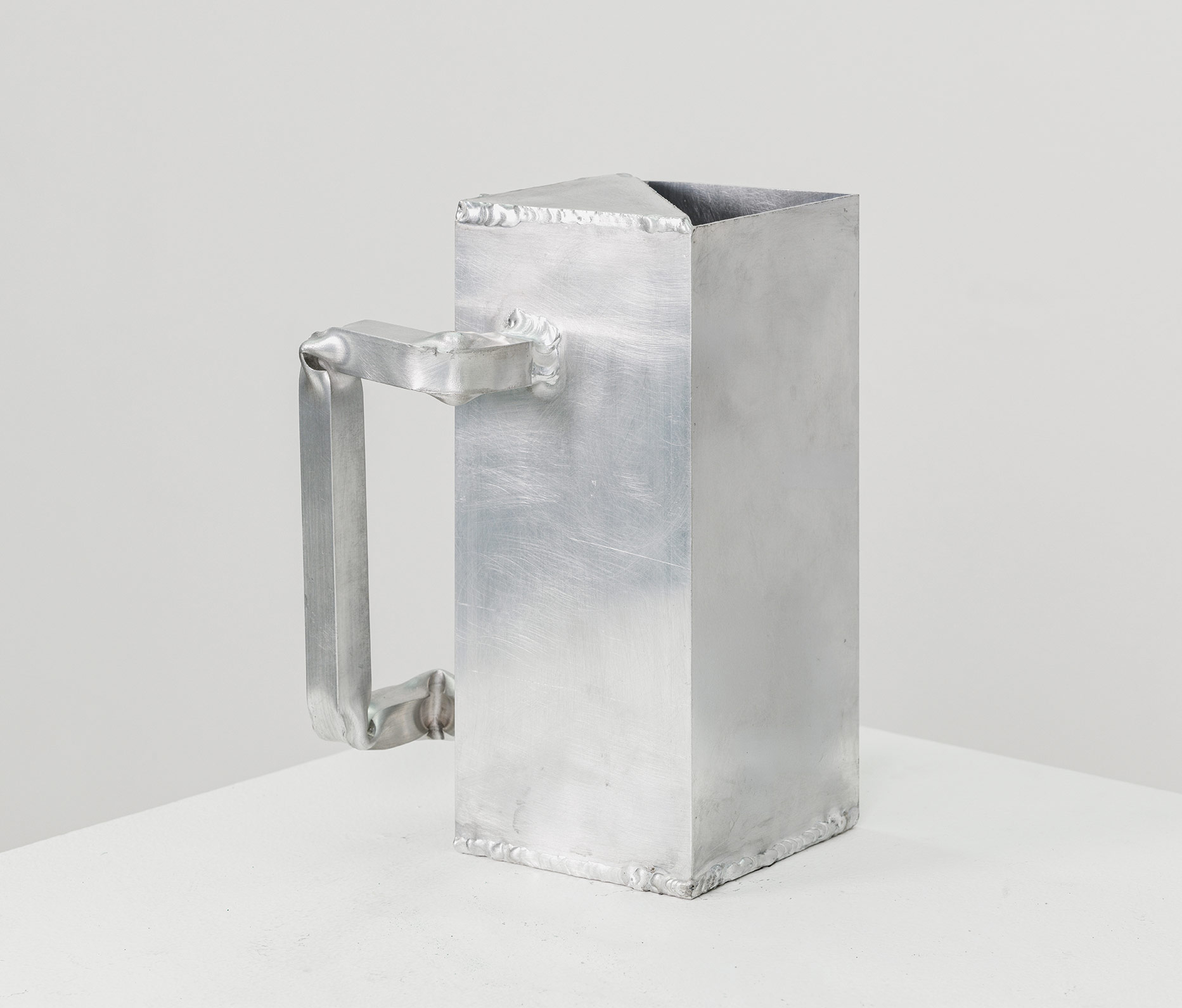
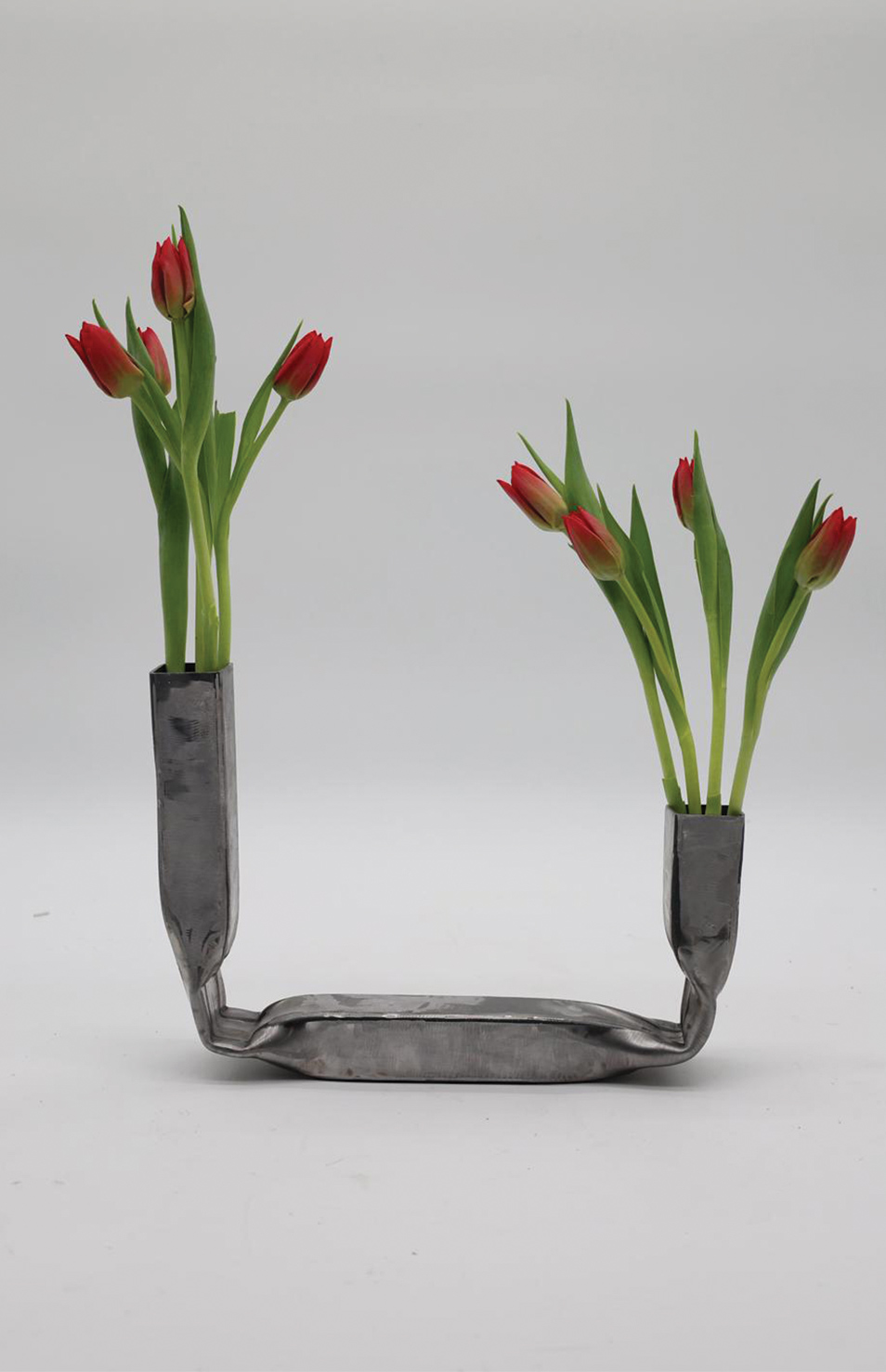
It would have to be the vase. This was initially supposed to be a table leg for another project I was working on, and the limitations of the press in my workshop didn’t allow for me to flatten it in the way I needed. After a bit of hammering, the press experiment eventually resolved into a functional object. From then on I feel that my practice has committed itself to experimentation before all else.
Your statement talks about a strong sense of imperfection, what intrigues you about imperfection?
I think there are already a lot of high-gloss, industrially produced objects out there, and while they are relevant and serve a function, I think their level of resolve doesn’t leave room for people to connect with how or why they were made. Prior to making objects myself, I felt quite disconnected from the modes of production that are used to make everything around us. “I’m intrigued about what conversations can be had when we put processes at the forefront of an object’s story…” In my experience, this usually means there are traces of imperfection that naturally arise from the technique I’m using. My hope is this gives the object more character, and in turn, that this will encourage people to feel more connected to it, and finally, take better care of it.
Where can people find you?
I’m currently showing one of my pieces at Design Everything’s “With Limitations” show at Aram Gallery. I’ll also be debuting some new works with a studio called CARE in early October. I am on Instagram, and also have a website where I have my full collection of spatial and object work https://adamgobran.com