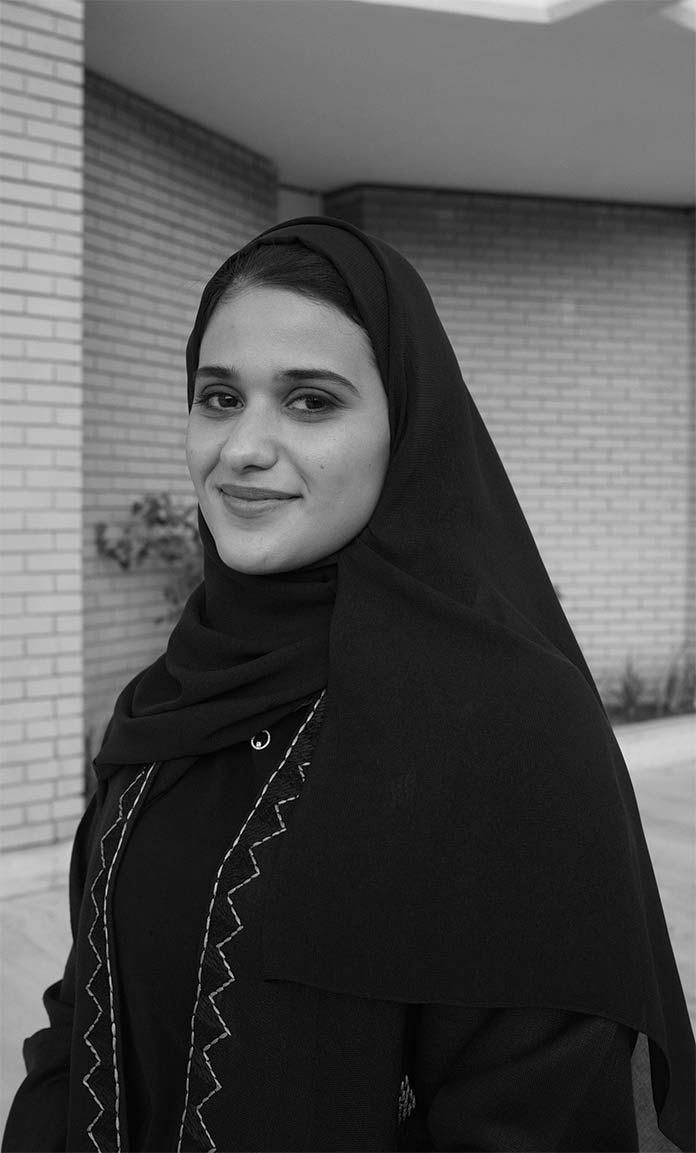
Jude Zahid
What’s your name and where are you based?
Hello! My name is Jude Zahid, and I’m currently based in Jeddah, Saudi Arabia.
Can you describe your practice in a few words?
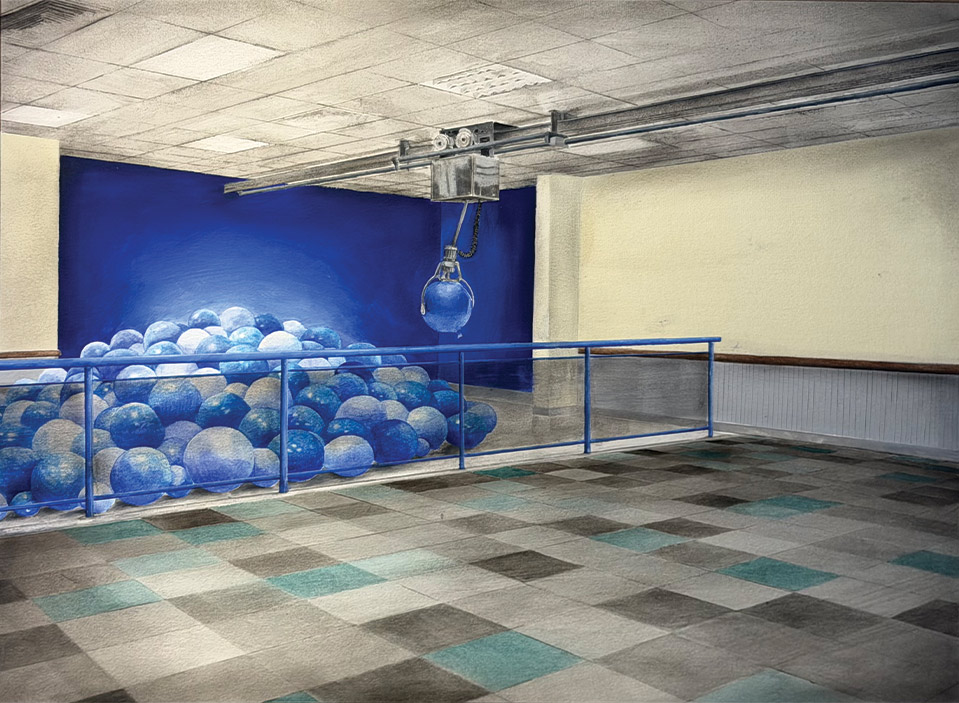
In my practice, I explore themes of memory, quiet introspection, and the uncanny within familiar, everyday spaces.
How did you begin thinking creatively, and how did painting find its way in?
Expressing myself through art was a foundational part of my childhood. As I grew older, my drawing skills evolved, and I began to actively cultivate those skills. My painting practice took root more gradually during my early college years, as I explored it in my spare time. Although my bachelor’s degree focused on traditional crafts rather than painting, I always had a strong desire to paint, and following that urge is ultimately what shaped my artistic path today.
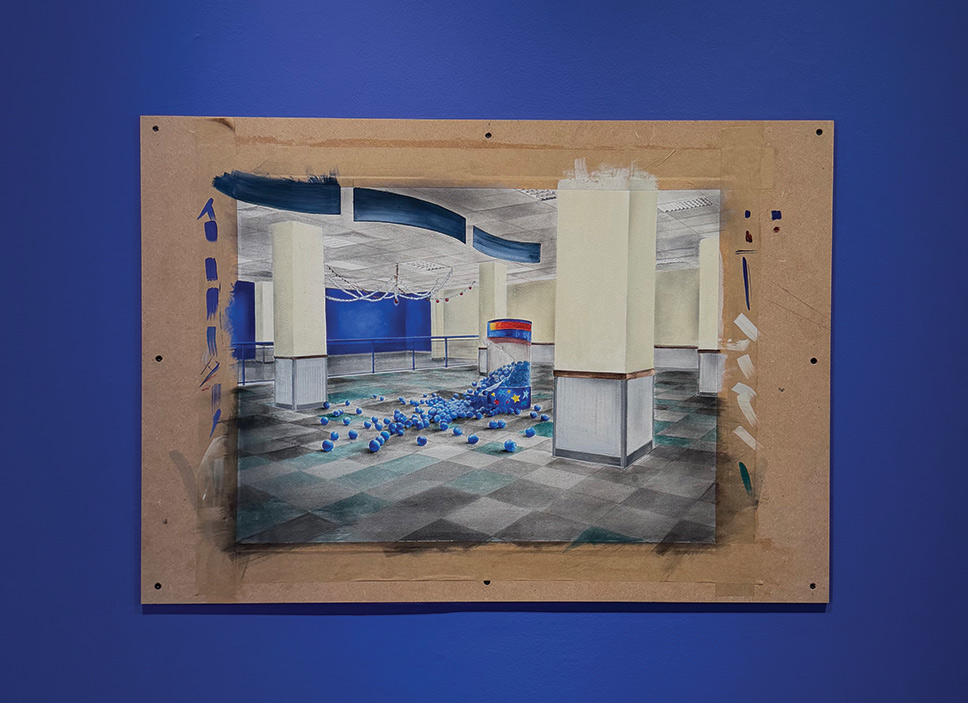
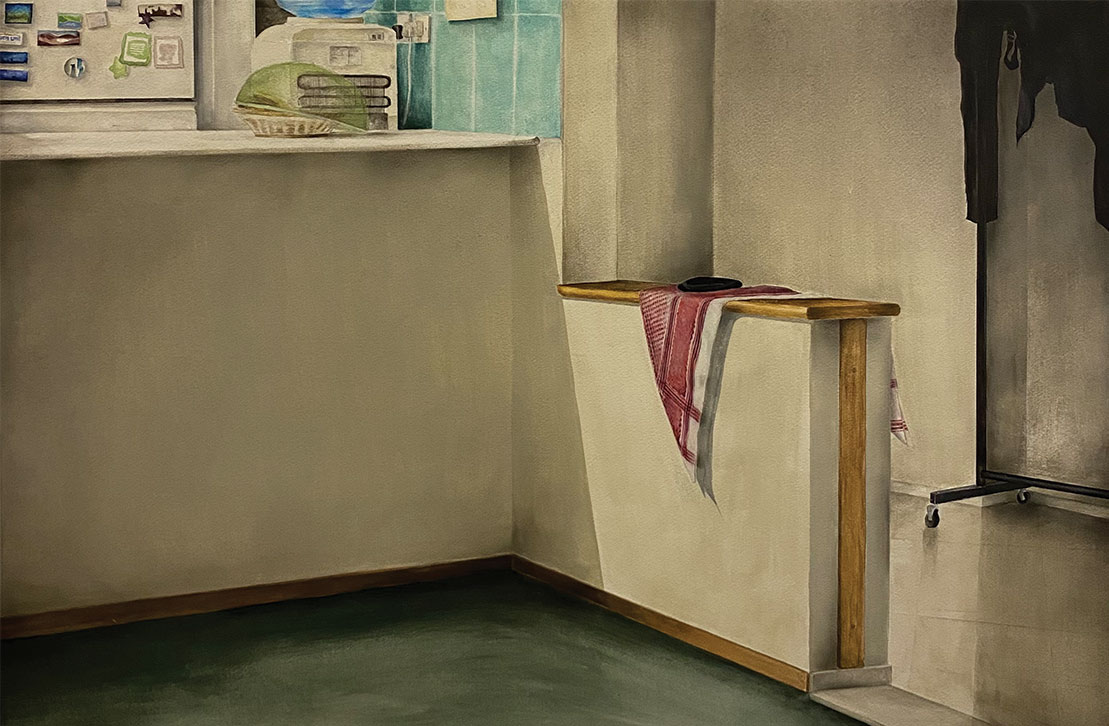
Almost every work is a corner of a room. What is it about a corner that keeps catching your eye?
I am naturally drawn to corners because I enjoy working with perspective. For me, a corner acts as the physical and psychological foundation of a painting. It feels intimate, yet it invites a deep sense of contemplation. Visually, I like how a corner gives the eye a starting point and allows it to move outward into the rest of the space.
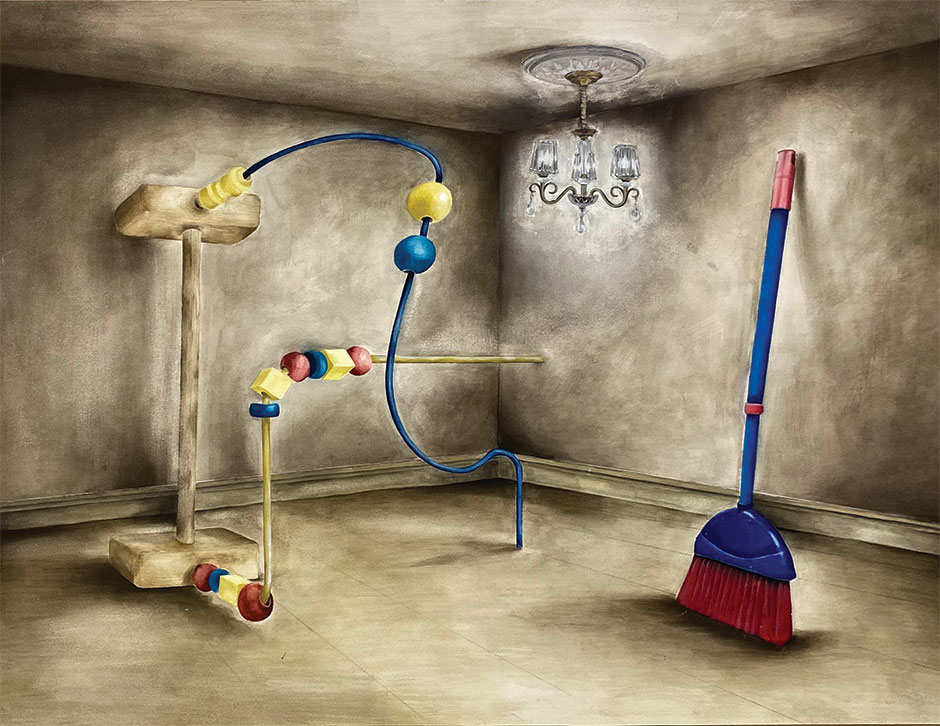
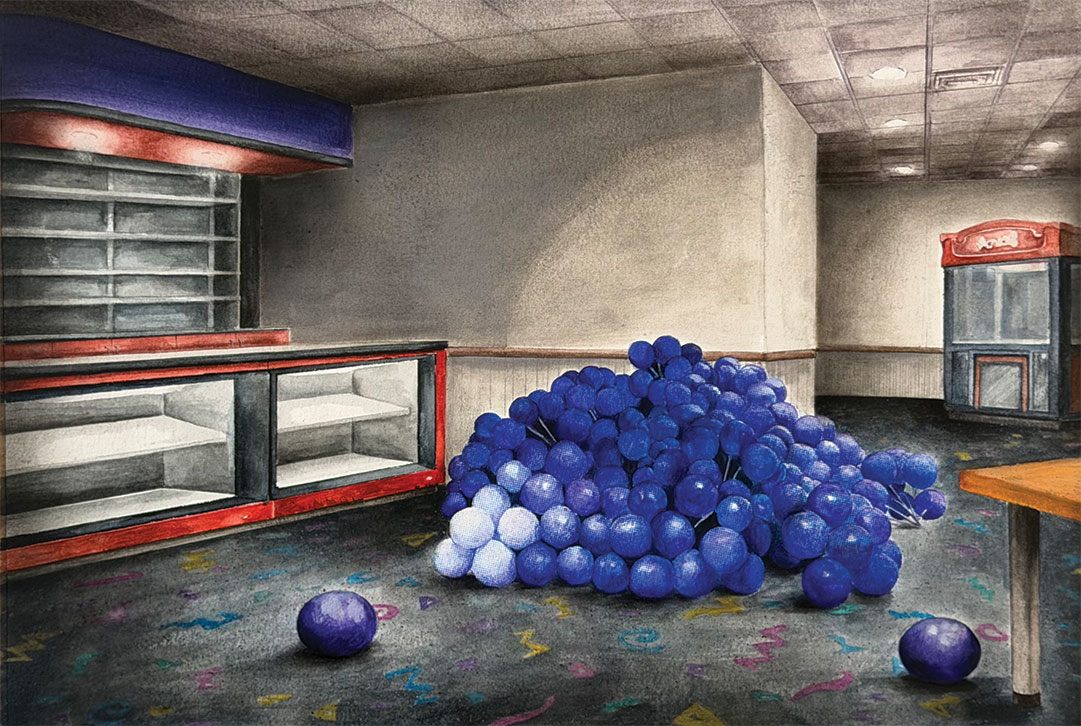
You paint a lot of specific objects in your scenes, is there one that feels especially personal?
Golden Hour, specifically, gave me the room to process.I remember how often this scene has reappeared, and how this empty room at that specific time of day felt like a recurring memory.
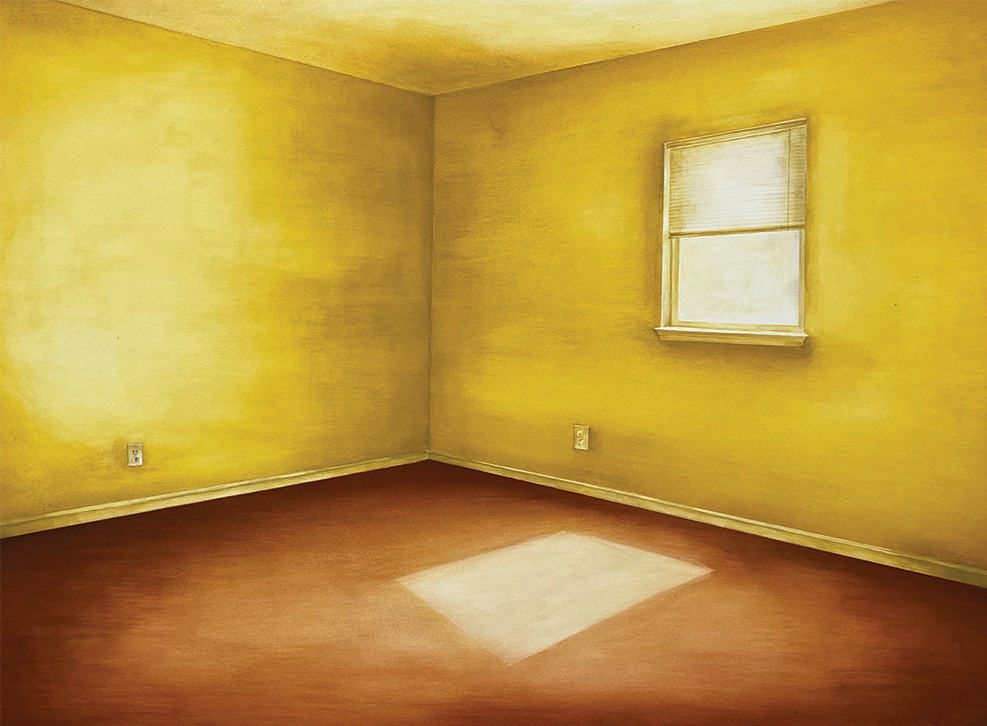
You describe collecting fragments and then cutting or layering and distorting them in the studio and being interested in what happens when something is taken out of its original context. What do you think happens to an object once it’s out of where it came from?
Because these objects remain present in the space when unoccupied, they can carry traces of human presence and experience. When I remove or shift them from their original context, their meaning can change too. This manipulation allows me to explore the different layers of meaning these objects can hold beyond their original purpose.
You’ve said you want to leave space for viewers to bring their own memories. Has anyone told you something they saw in a piece that you’ll never forget?
I’ll never forget meeting this lovely lady at my degree show where I exhibited the series As It Was. She teared up when she saw the painting Severance because she never thought she’d be pulled back into that specific memory. She told me that seeing the cleaning spray and the sink in this room together let her look at the story differently after all these years, and she was so grateful for it. It was such an amazing moment because it was her experience with the piece, not mine, not anyone else’s. I really enjoy how a painting can turn into someone else’s story.
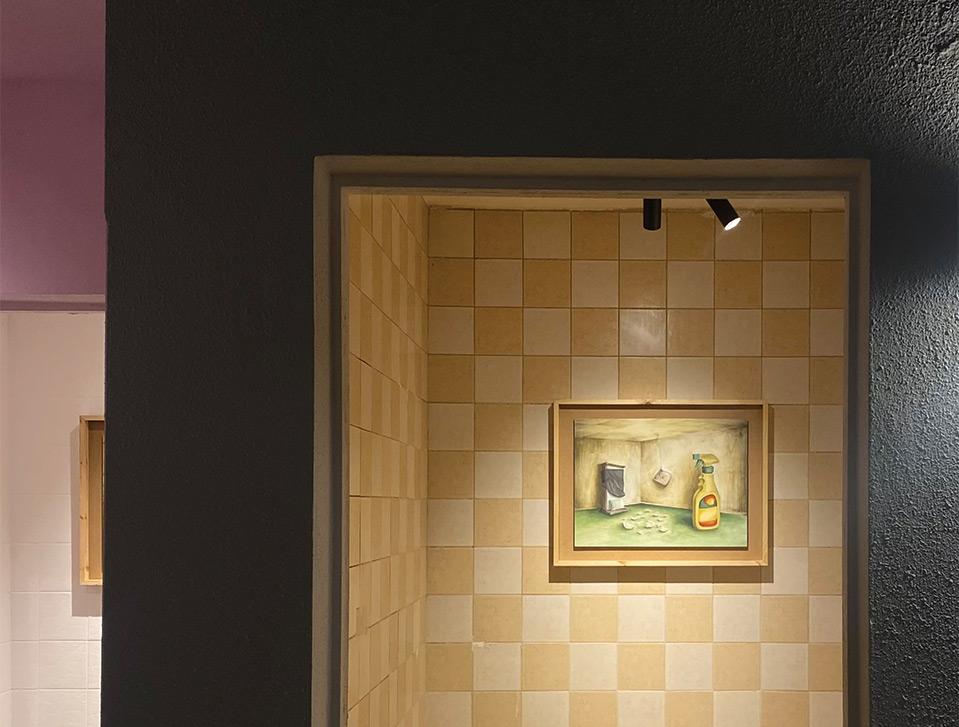
What do you think is the hardest thing to get right in a painting?
I think it’s about capturing a certain emotion and giving it a visual shape.
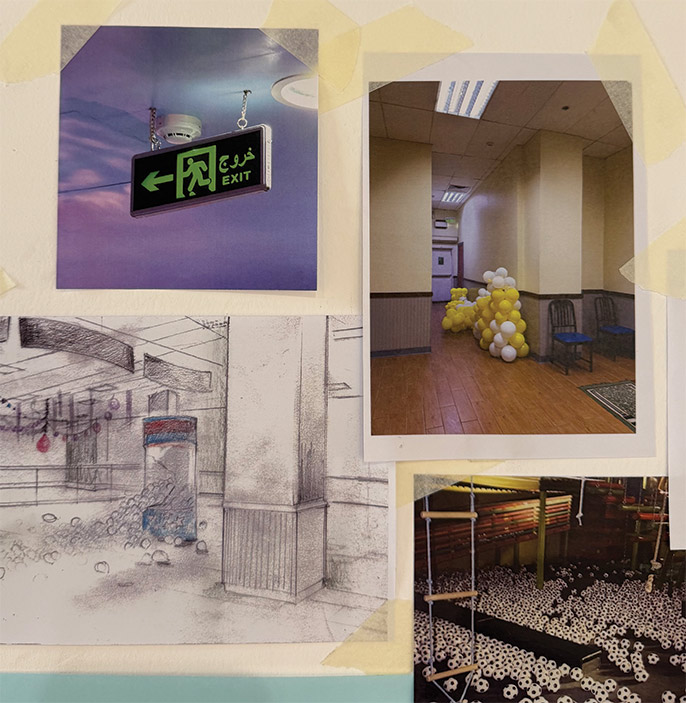
Is anything currently inspiring you?
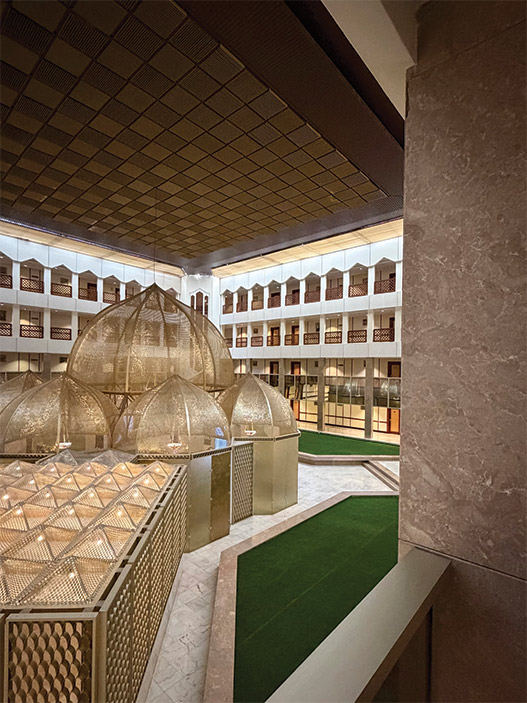
Lately, I am interested in how buildings from the 60s through the 80s have been adapted and converted for different uses over time. Seeing how these spaces get reused is an interest that started from exploring older neighborhoods and noticing how their buildings have changed and taken on new functions.
Where can people find you?
I share work-in-progress updates on Instagram (@judebeetroot), and my digital portfolio is at judezahid.com.